
Boosting your focus without prescription drugs is possible. Natural concentration boosters can help sharpen attention, reduce brain fog, and support mental stamina for study, work, or daily life.
Understanding The Need For Natural Concentration Boosters
Interest in natural concentration boosters has grown as more people look for safer, sustainable alternatives to stimulant medications. Many prefer approaches that reduce side effects and support overall brain health rather than offering only a quick lift in alertness.
Evidence matters. When evaluating options, give weight to human clinical trials, transparent ingredient lists, and third-party testing. That helps separate promising supplements and herbs from products based mainly on marketing claims.
The Appeal Of Natural Solutions
People turn to natural concentration boosters for reasons beyond avoiding pharmaceuticals. Common motivations include long-term brain support, fewer acute side effects, and a more integrated approach to health.
- Fewer immediate side effects compared with some prescription stimulants
- Potential benefits for sleep, mood, and stress management as well as focus
- Options that complement diet and lifestyle changes for sustainable results
Choosing safe, effective natural concentration boosters means balancing enthusiasm with caution. Look for supplements and herbs with published human research and clear dosing information. Consult a healthcare professional when you have medical conditions or take other medications.
This article series will explore specific natural concentration boosters, including omega-3s, B vitamins, magnesium, and herbal nootropics. Later sections will cover timelines for effects, what the best trials show, and safety signals to watch for. For now, the goal is to set a clear, evidence-minded frame for choosing natural concentration boosters that fit your lifestyle.
Reliable guidance comes from peer-reviewed studies and advice from reputable medical sources rather than from marketing claims. If you prefer a long-term approach to sharpen focus, natural concentration boosters can be a practical place to start.
Read on to learn which boosters have human data behind them and which need more study, and how to integrate natural concentration boosters responsibly into daily habits.
Supplement-based approaches for better focus
This section digs into specific natural concentration boosters, how they work, typical timelines, and practical dosing. The goal is to give clear, evidence-minded guidance you can test safely with a clinician.
Essential nutrients and where they help
Several dietary nutrients have human trial data showing benefits for attention and cognitive resilience. Use them first to fill gaps in diet.
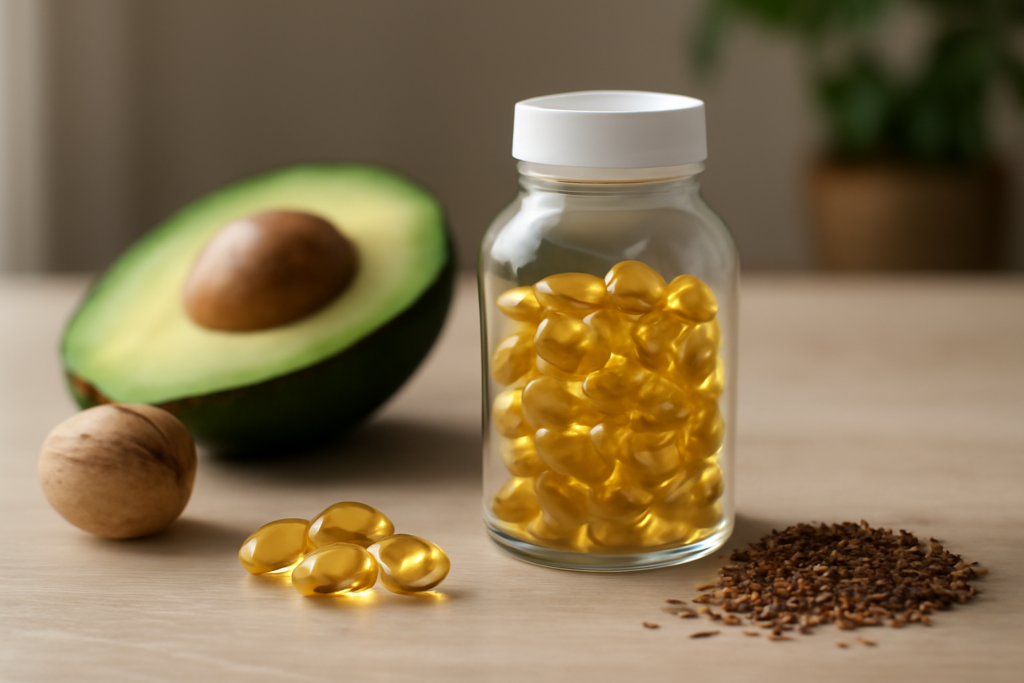
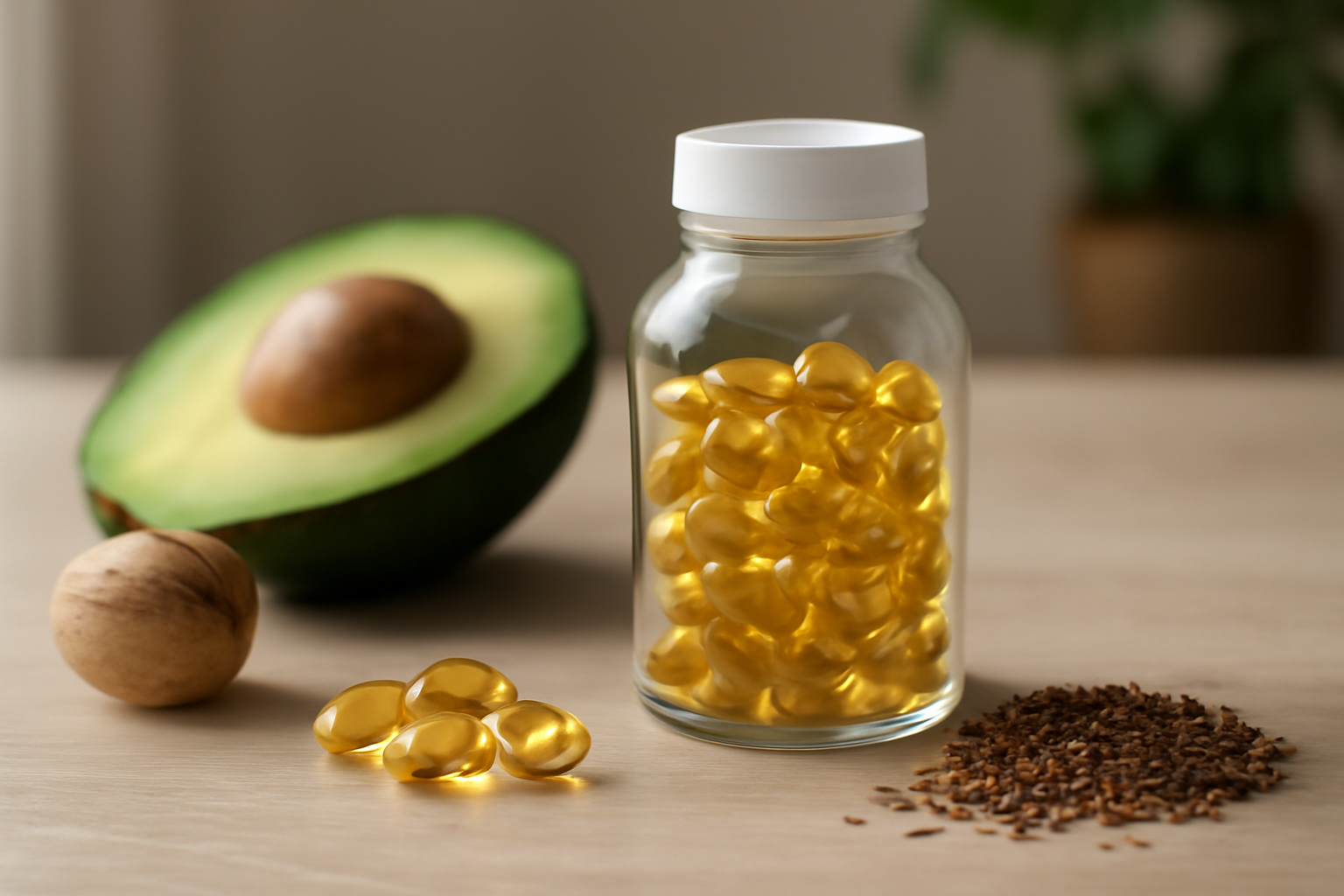
- Omega-3 fatty acids: Support membrane health and neurotransmission. Found in fish oil, flaxseed, and walnuts. Typical supplemental EPA/DHA combos range from 500 mg to 1,000 mg per day depending on diet and goals.
- B vitamins and vitamin D: B6, B9 and B12 help energy metabolism in the brain; vitamin D links to mood and cognitive clarity. Focus on food sources first, then test blood levels and supplement under medical advice if low.
- Magnesium: Calming influence on neural excitability. Forms like magnesium glycinate are better tolerated. Daily intake often falls between 200 and 400 mg for adults.
- L-theanine: An amino acid in green tea that promotes relaxed alertness. Works well with low-dose caffeine to improve multitasking and reduce jitteriness.

Herbal nootropics with human data
Herbs often have mixed evidence. Some show consistent benefits in trials, while others need larger or longer studies.
- Bacopa monnieri: Memory and retention benefits appear after sustained use. Expect 4 to 6 weeks before noticing changes. Common dosages in studies are 300 mg daily of a standardized extract.
- Ginkgo biloba: Can improve working memory and processing speed in some trials, but benefits for healthy adults under 60 are inconclusive. Use standard extracts at typical doses of 120 to 240 mg per day if trying it.
- Ashwagandha: Shows stress reduction and possible neuroprotective effects. Much of the stronger neuroprotection data comes from animal studies; human trials are promising but limited for long-term cognitive claims.
Practical combination strategies
Combining natural concentration boosters can increase benefit, but choose pairings backed by evidence and avoid mixing many agents at once.
- Caffeine plus L-theanine is a well-studied combo. A common ratio is 1:2 caffeine to L-theanine, for example 50 to 100 mg caffeine with 100 to 200 mg L-theanine to sharpen attention without excess jitter.
- Omega-3s, B vitamins, and vitamin D make a foundational stack to support brain health long term.
- For targeted memory work, try Bacopa after establishing baseline nutrient adequacy. Expect gradual improvement rather than immediate change.
Safety, dosing and evidence transparency
Natural concentration boosters can be helpful, but safety and quality matter more than marketing. Treat supplements like medicines and follow three rules:
- Verify human clinical data. Distinguish between promising animal studies and robust human trials.
- Check product quality. Look for third-party testing such as USP or NSF on the label.
- Consult a healthcare professional, especially if you take other medications or have chronic conditions.
Key dosing notes and contraindications
- Ginseng: common study dose around 200 mg per day. Monitor for insomnia or mild GI effects.
- DMAE: study ranges are 500 to 2,000 mg. Avoid DMAE in pregnancy and in people with a history of psychotic conditions such as schizophrenia.
- Bacopa: plan for at least 4 to 6 weeks at standardized extract doses to judge benefit; minor stomach upset is possible.
- Ginkgo: may interact with blood thinners; report any unusual bleeding or bruising to a clinician.
Matching boosters to your needs
Consider your primary goal when choosing natural concentration boosters. Students may prioritize short-term alertness and exam endurance and use caffeine plus L-theanine for focused sessions. Older adults concerned about memory should emphasize omega-3s, B vitamins, and longer-term herbal support like Bacopa under supervision.
Natural concentration boosters offer useful tools, but they work best alongside sleep, exercise, nutrition, and stress management. Use measured trials, track effects, and adjust based on clear evidence and medical guidance.
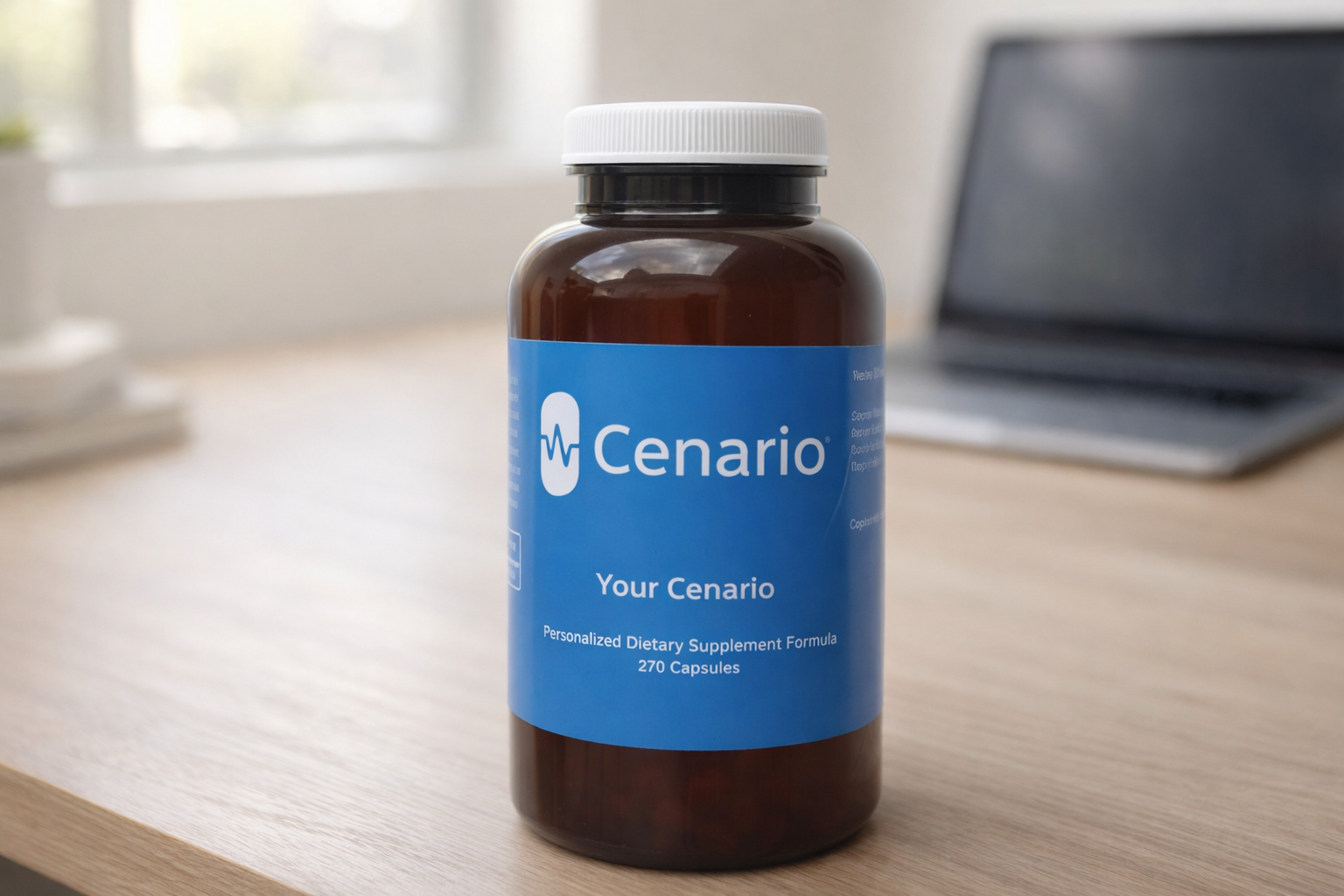
If you want a more targeted approach, take the 3 minute Cenario assessment and find out what may be limiting your cognitive performance.
Practical Implementation And Stacking Strategies
Putting natural concentration boosters into practice means planning, testing, and tracking. Start small and build a simple routine that fits your day. Use supplements alongside sleep, movement, and nutrition rather than instead of them.
Start With Foundations
- Confirm baseline nutrition and blood levels for vitamin D and B12 with a clinician.
- Add omega-3s, a B-complex if needed, and magnesium as foundational supports before experimenting with herbs or stimulants.
- Prioritize consistent sleep, 30 minutes of focused movement daily, and structured work blocks to amplify effects.
Safe Stacking And Timing
Combine agents that have evidence of synergy and avoid complex mixtures at first. Try one new agent at a time so you can notice benefits or side effects.
- Caffeine plus L-theanine is a reliable short-term stack for alertness. A common approach is 50 to 100 mg caffeine with 100 to 200 mg L-theanine.
- Use omega-3s, B vitamins, and vitamin D as a daily background stack for long-term brain health.
- Introduce herbal nootropics like Bacopa after you have baseline nutrients in place. Expect gradual improvements over weeks.
Dosage Notes To Follow
- Ginseng: commonly studied around 200 mg per day. Watch for insomnia or mild gastrointestinal effects and reduce dose if needed.
- DMAE: study ranges from 500 to 2,000 mg per day. Avoid DMAE during pregnancy and in people with a history of psychosis.
- Bacopa: standardized extracts in trials are often 300 mg per day, with effects appearing after 4 to 6 weeks.
Monitoring, Cycling, And When To Stop
Track response and safety. Use a simple tracker for sleep quality, focus during work sessions, mood, and any physical side effects. Give most herbal supplements 4 to 12 weeks before judging effectiveness.
- Keep a one-week baseline without new supplements.
- Add a single booster and monitor for two to four weeks for immediate tolerability and up to eight weeks for cognitive signals.
- If side effects occur, stop the supplement and consult a clinician. If no benefit after a reasonable trial, discontinue and reassess priorities.
Special Populations And Contraindications
Natural does not equal automatically safe. Consider these cautions:
- Pregnant or breastfeeding people should avoid certain agents such as DMAE and consult a clinician before starting herbs.
- People on blood thinners or with bleeding risks should be careful with ginkgo and some herbal blends.
- Those with psychiatric conditions should discuss potential interactions and risks with a psychiatrist or GP before trying stimulant-like supplements.
Quality, Sourcing, And Lab Testing
Choose brands that use third-party testing and transparent ingredient lists. Look for USP, NSF, or similar verification and clear standardization for herbal extracts. Avoid proprietary blends that do not disclose amounts for each ingredient.
Final Thoughts And Next Steps
Natural concentration boosters can offer meaningful, sustainable gains in focus when used responsibly. Aim for a stepwise approach: establish nutrient foundations, add targeted boosters one at a time, track results, and consult a clinician for personalized guidance. With careful choices and realistic expectations, you can enhance attention while protecting overall health.
Ready to try a measured plan? Start by assessing your diet and sleep, then consider one foundational supplement such as omega-3s or magnesium. If you decide to add an herbal nootropic, set a clear trial period and monitor effects closely.
Take the next step toward clearer focus and healthier habits today.
If your concentration feels inconsistent or your recall is weaker than it used to be, something in the system is off. Sleep, stress, blood sugar, neurotransmitters, micronutrients, and workload all influence cognitive performance.
This guide breaks down what actually drives memory and focus, and what to do about it.
[
cenario.com
https://cenario.com/blog/memory-and-focus/
]
https://cenario.com/blog/memory-and-focus/
Your brain is unique. Your formula should be too.
Start your personalized focus plan today.
[
cenario.com
]
Frequently asked questions
How long do natural concentration boosters take to work?
Timeframes vary. Some natural concentration boosters such as caffeine plus L-theanine act within an hour. Herbal options like Bacopa often require 4 to 6 weeks of consistent use to show benefits. Always track changes over weeks rather than hours for most herbs.
Can I combine natural concentration boosters with prescription medications?
Combining natural concentration boosters with prescription drugs can be risky. Some herbs interact with blood thinners, antidepressants, and stimulants. Check with your healthcare professional before combining them to avoid dangerous interactions.
Are side effects common with natural concentration boosters?
Side effects can occur. Natural concentration boosters such as ginseng or DMAE may cause insomnia, digestive upset, or agitation in some people. Start with low doses and monitor symptoms to reduce risk.
Frequently Asked Questions
How long do natural concentration boosters take to work?
Timeframes vary. Some natural concentration boosters such as caffeine plus L-theanine act within an hour. Herbal options like Bacopa often require 4 to 6 weeks of consistent use to show benefits. Always track changes over weeks rather than hours for most herbs.
Can I combine natural concentration boosters with prescription medications?
Combining natural concentration boosters with prescription drugs can be risky. Some herbs interact with blood thinners, antidepressants, and stimulants. Check with your healthcare professional before combining them to avoid dangerous interactions.
Are side effects common with natural concentration boosters?
Side effects can occur. Natural concentration boosters such as ginseng or DMAE may cause insomnia, digestive upset, or agitation in some people. Start with low doses and monitor symptoms to reduce risk.