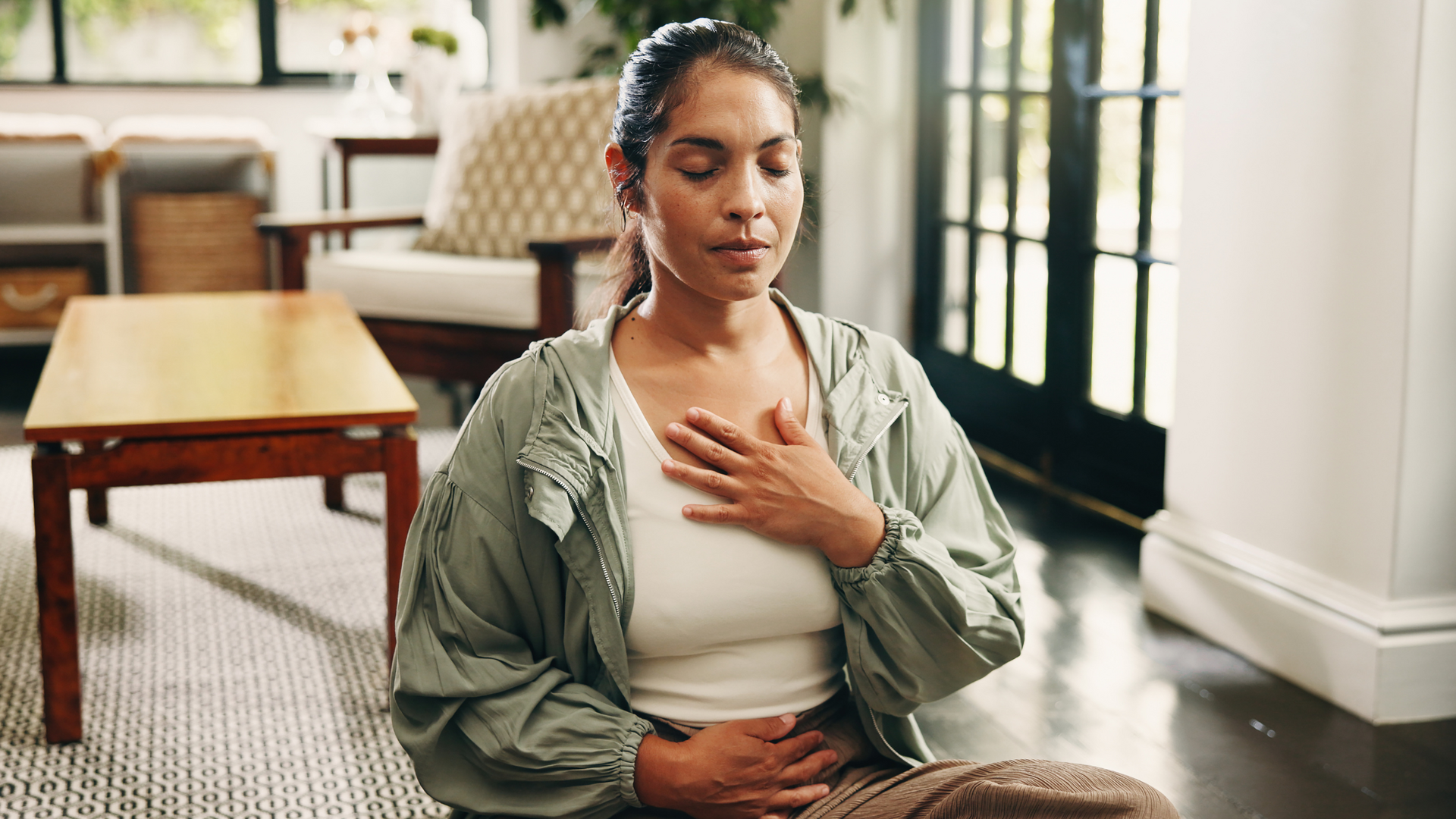

Breathwork refers to a group of intentional breathing techniques used to influence physical, mental, and emotional states. While breathing is automatic, breathwork involves consciously changing the rhythm, depth, or pattern of your breath to create specific effects, such as relaxation, focus, or emotional release.
It is both a modern wellness practice and an ancient tool rooted in traditions like yoga (pranayama), meditation, and mindfulness. Today, breathwork is widely used in mental health, stress management, performance training, and even clinical settings.
If you’d like to deepen your understanding of mental wellness, you can read or explore more here at our Knowledge Hub for more mental health–related articles. You can also take the quiz to get personalized supplement recommendations designed to support your stress levels, sleep quality, mood, and overall well-being.
How Breathwork Works
Breathwork directly affects the nervous system, especially the balance between the sympathetic (fight-or-flight) and parasympathetic (rest-and-digest) systems.
When you breathe slowly and deeply, your body receives signals that it is safe. This activates the parasympathetic response, lowering heart rate, reducing muscle tension, and calming the mind. On the other hand, fast or shallow breathing can increase alertness or even anxiety.
Breathing also influences oxygen and carbon dioxide levels in the body. Controlled breathing helps regulate this balance, which can affect energy levels, focus, and emotional stability.
Common Types of Breathwork
Different techniques serve different purposes. Some are calming, while others are energizing or emotionally activating.
Diaphragmatic Breathing (Belly Breathing)
This involves breathing deeply into the abdomen rather than shallowly into the chest. It is one of the most effective ways to reduce stress and promote relaxation.
Box Breathing (4-4-4-4 Method)
You inhale for four seconds, hold for four, exhale for four, and hold again for four. This technique is often used to improve focus and reduce anxiety, especially in high-pressure situations.
4-7-8 Breathing
Inhale for four seconds, hold for seven, and exhale for eight. This pattern is commonly used to support sleep and relaxation.
Alternate Nostril Breathing
A yogic practice where you alternate breathing through each nostril. It is believed to balance the nervous system and improve mental clarity.
Holotropic or Intensive Breathwork
Faster, more intense breathing patterns used in therapeutic or guided settings to explore emotional experiences. This should only be practiced with trained professionals.
Benefits of Breathwork
Breathwork is simple, but its effects can be powerful and wide-ranging.
It can help reduce stress by calming the nervous system and lowering cortisol levels. Many people use it to manage anxiety, especially during overwhelming moments. It can also improve focus and mental clarity by increasing oxygen flow to the brain.
Sleep quality may improve when calming breathing techniques are practiced before bedtime. Some individuals report better emotional regulation, as breathwork creates space between a trigger and a reaction.
Physically, it may help with heart rate regulation, muscle relaxation, and even reducing symptoms like headaches or tension.
Breathwork and Mental Health
Breathwork is often used as a supportive tool for conditions like anxiety, stress, burnout, and emotional dysregulation. It is not a cure or replacement for professional treatment, but it can be a valuable addition to a mental wellness routine.
For example, during anxiety, breathing often becomes rapid and shallow. Practicing slow, controlled breathing can interrupt this pattern and signal safety to the brain.
Over time, regular breathwork may improve awareness of internal states, helping individuals recognize early signs of stress and respond more effectively.
How to Practice Breathwork Safely
Breathwork is generally safe, but it should be approached with awareness.
Start with simple techniques like slow, deep breathing for a few minutes a day. Sit or lie in a comfortable position and focus on steady, gentle breaths.
Avoid forcing the breath or overbreathing, as this can cause dizziness or discomfort. If you feel lightheaded, return to normal breathing.
More intense techniques should only be practiced under guidance, especially for individuals with medical conditions, respiratory issues, or a history of trauma.
Final Insight
Breathwork is one of the most accessible tools for regulating the mind and body. It requires no equipment, can be done anywhere, and works quickly when practiced consistently.
At its core, breathwork teaches a simple but powerful skill: using your breath to influence how you feel. Over time, this can build resilience, improve emotional balance, and support overall well-being.
If you want to take your mental wellness further, consider taking the quiz to get personalized supplement recommendations designed to support your unique needs, whether it’s stress, anxiety, sleep, or overall cognitive performance.
Frequently Asked Questions
How long should I practice breathwork each day?
You can start with just 3 to 5 minutes per day. Even short sessions can be effective. As you become more comfortable, you can extend your practice to 10–15 minutes depending on your goals.
Can breathwork help with anxiety?
Breathwork can support anxiety management by slowing down the nervous system and promoting a sense of calm. While it is not a replacement for professional care, it can be a helpful tool during moments of stress or overwhelm.
Is breathwork safe for everyone?
Most gentle breathing techniques are safe for everyday use. However, more intense breathwork methods should be practiced with guidance, especially for individuals with respiratory conditions, cardiovascular issues, or a history of trauma.
When is the best time to do breathwork?
Breathwork can be practiced anytime. Many people use it in the morning to feel more focused, during stressful moments to regain calm, or at night to support relaxation and better sleep.