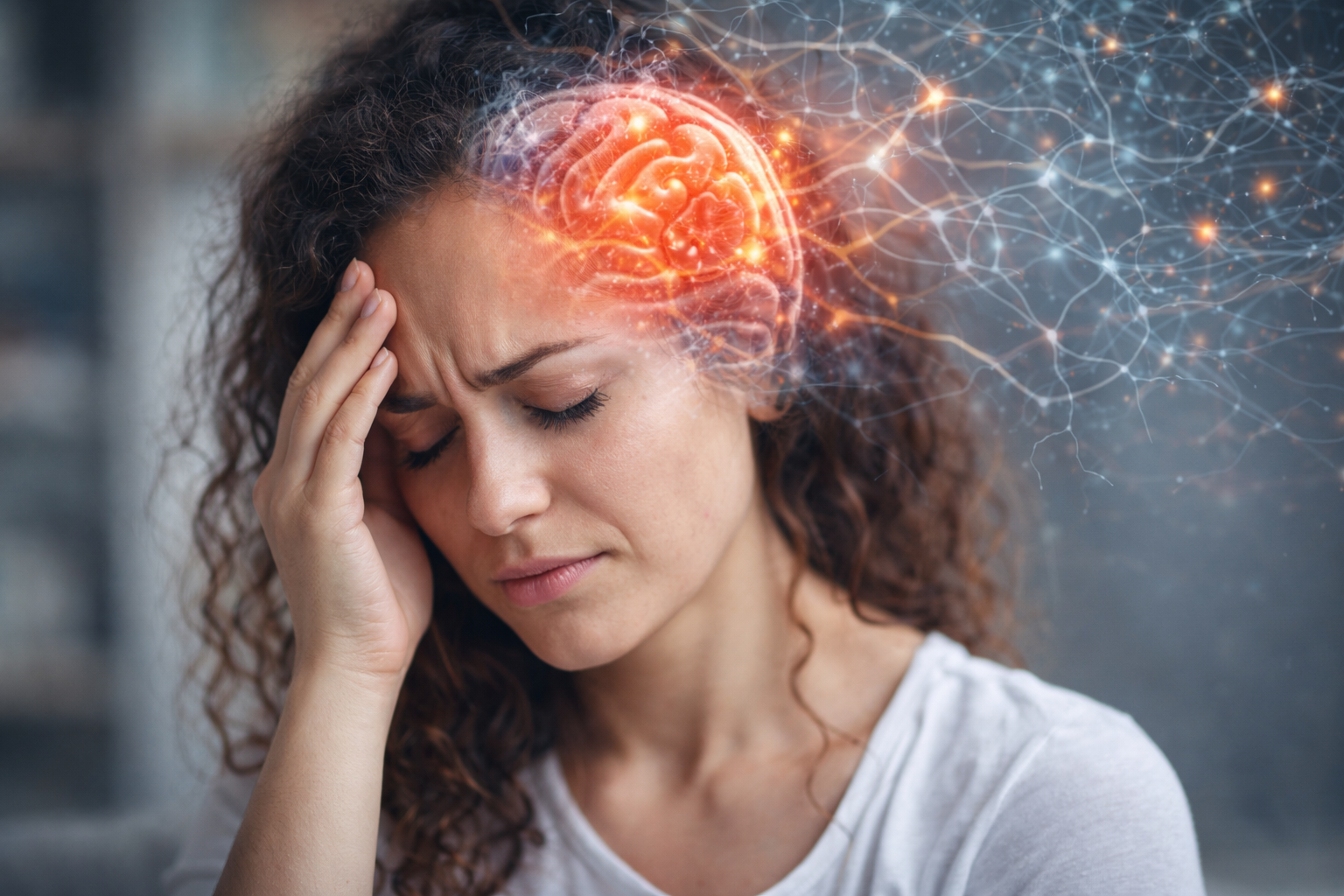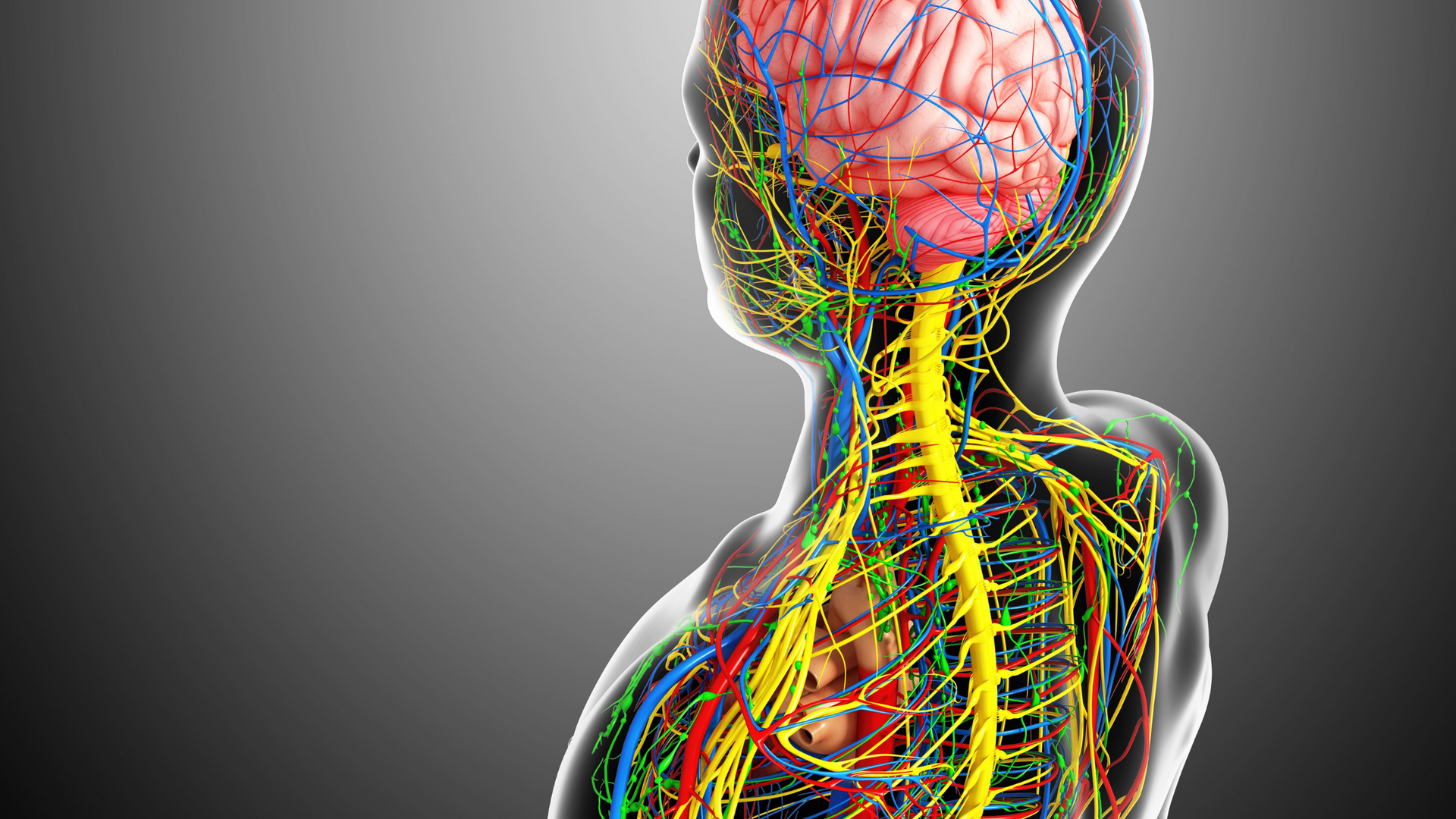

The nervous system is a complex network that controls and coordinates everything your body does. It allows you to think, move, feel sensations, and respond to your environment. From simple reflexes to complex emotions and decision-making, the nervous system is constantly active.
It works by sending and receiving signals between different parts of the body through specialized cells called neurons. These signals travel rapidly, allowing your body to react almost instantly.
If you want to better understand how your body and mind are connected, you can explore more in our Knowledge Hub and take the quiz to get personalized supplement recommendations designed to support focus, stress management, and overall mental wellness.
Main Parts of the Nervous System
The nervous system is divided into two major parts: the central nervous system (CNS) and the peripheral nervous system (PNS).
The central nervous system includes the brain and spinal cord. It acts as the control center, processing information and making decisions. The brain interprets sensory input and sends instructions, while the spinal cord serves as a pathway for signals traveling between the brain and the rest of the body.
The peripheral nervous system consists of all the nerves outside the brain and spinal cord. It connects the CNS to muscles, organs, and sensory receptors. This system allows communication between the body and the brain.
How the Nervous System Works
The nervous system functions through electrical and chemical signals.
Neurons send electrical impulses along their structure. When these signals reach the end of a neuron, they cross a small gap called a synapse using chemical messengers known as neurotransmitters.
This process allows information to travel throughout the body, enabling you to react to stimuli, move your muscles, and process thoughts.
For example, when you touch something hot, sensory nerves send a signal to the spinal cord and brain. Almost instantly, a response is sent back to move your hand away.
Types of Nervous System Functions
The nervous system handles different types of functions that help your body operate efficiently.
The sensory function gathers information from your environment through your senses, such as sight, sound, touch, taste, and smell.
The motor function controls movement by sending signals from the brain to muscles.
The integrative function processes and interprets information, allowing you to think, learn, and make decisions.
These functions work together seamlessly to help you interact with the world.
The Autonomic Nervous System
A key part of the nervous system is the autonomic nervous system (ANS), which controls automatic body functions that you do not consciously control.
The ANS has two main branches:
The sympathetic nervous system prepares the body for action. It activates the “fight-or-flight” response, increasing heart rate, alertness, and energy during stressful situations.
The parasympathetic nervous system promotes relaxation and recovery. It slows the heart rate, supports digestion, and helps the body return to a calm state.
A healthy balance between these two systems is essential for overall well-being.
Nervous System and Mental Health
The nervous system plays a central role in mental health.
When the system is balanced, it supports emotional stability, focus, and clear thinking. However, chronic stress can keep the sympathetic system overactive, leading to feelings of anxiety, tension, and fatigue.
On the other hand, activating the parasympathetic system through techniques like deep breathing or relaxation can help calm the mind and body.
This connection highlights how physical processes in the nervous system influence mental and emotional states.
Protecting and Supporting the Nervous System
The nervous system is sensitive and requires proper care to function well.
Sleep is essential for restoring brain and nerve function. Nutrition supports the production of neurotransmitters and overall nerve health.
Physical activity improves blood flow and supports communication between the brain and body. Managing stress is also crucial, as prolonged stress can strain the nervous system.
Practices like mindfulness, breathing exercises, and relaxation techniques can help maintain balance.
Common Issues Affecting the Nervous System
The nervous system can be affected by both short-term and long-term challenges.
Short-term issues include stress, fatigue, and lack of sleep, which can impact focus and mood. Long-term conditions may involve nerve damage or neurological disorders that affect movement, sensation, or cognition.
Understanding how the nervous system works can help you recognize early signs of imbalance and take steps to support your health.
Final Thought
The nervous system is the foundation of how your body and mind communicate. It allows you to experience the world, respond to challenges, and maintain balance.
By taking care of your nervous system through healthy habits and stress management, you can improve both your physical and mental well-being.
If you want a more personalized approach, consider taking the quiz to get supplement recommendations designed to support your nervous system, focus, and overall balance.
Frequently Asked Questions
What is the main function of the nervous system?
The main function of the nervous system is to control and coordinate body activities. It processes information, responds to stimuli, and helps regulate both voluntary actions (like movement) and automatic functions (like breathing and heart rate).
How does stress affect the nervous system?
Stress activates the sympathetic nervous system, which prepares the body for action. While this is helpful in short situations, chronic stress can keep the body in a constant state of alertness, leading to fatigue, anxiety, and difficulty relaxing.
Can the nervous system recover from damage or stress?
The nervous system has some ability to adapt and recover, especially through processes like neuroplasticity. While recovery depends on the severity of the issue, healthy habits such as proper sleep, nutrition, and stress management can support nervous system function and resilience.