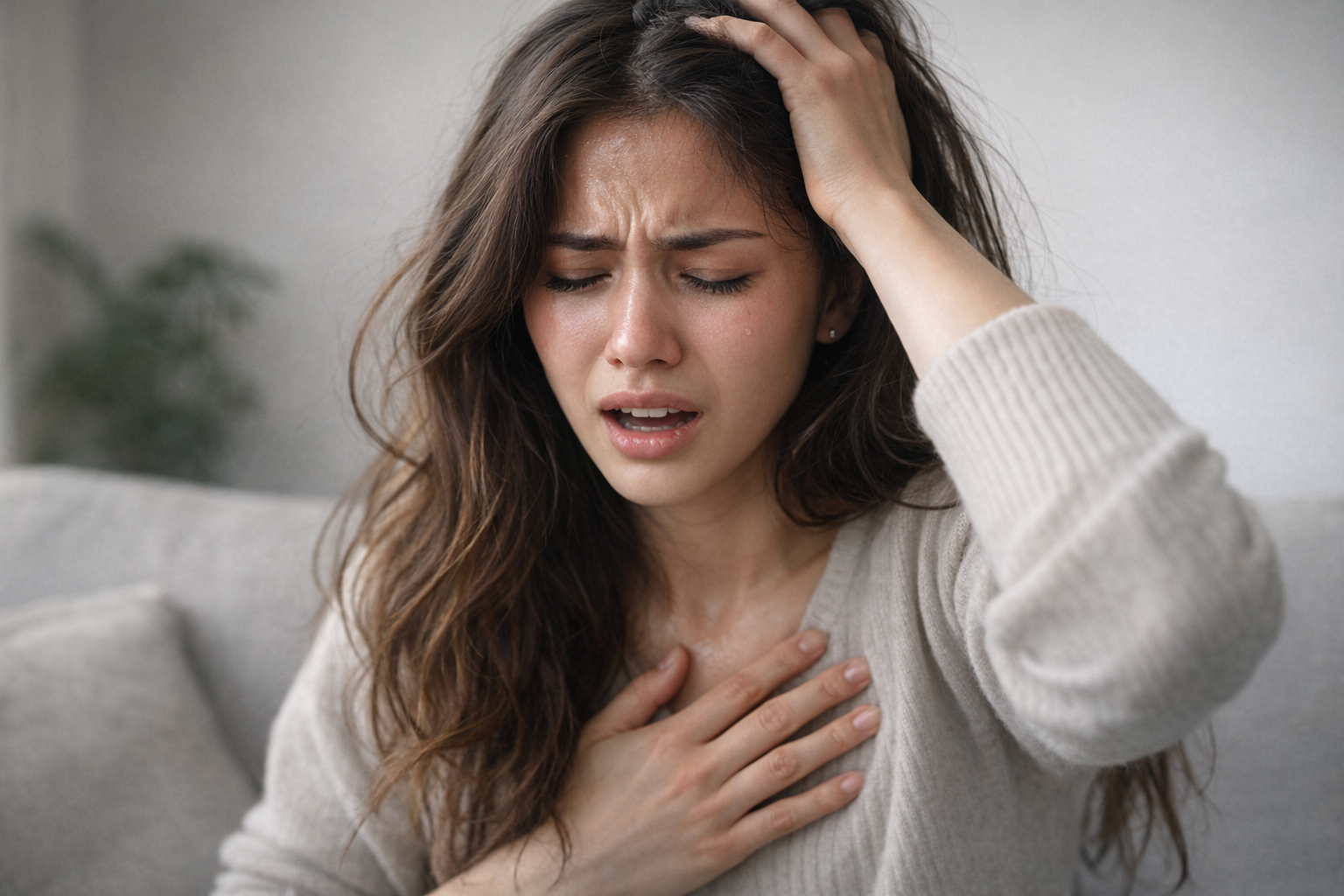

Panic attack describes a sudden episode of intense fear or discomfort that builds rapidly and usually peaks within minutes. Millions of people worldwide experience at least one panic attack in their lives, sometimes with no clear trigger and sometimes in response to specific stressors. Many first-timers mistake the feeling for a cardiac event because symptoms such as chest pain, rapid heartbeat, and dizziness overlap with those of a heart attack.
Definition and overview
A panic attack is a short-lived burst of severe anxiety accompanied by physical signs like sweating, trembling, and a racing heart. The experience often includes an urgent sense of doom or losing control, making the episode feel dramatically worse than its actual health risk. Despite how frightening a panic attack can be, it is not life threatening in itself. Recognizing it quickly can bring relief and guide appropriate care.
Why understanding matters
Knowing how to spot a panic attack helps people seek the right help and avoid unnecessary emergency visits. Distinguishing symptoms that mimic a heart attack is especially important because both conditions share features such as chest discomfort and shortness of breath. A timely medical check can rule out cardiac causes, and a clear diagnosis can reduce fear and speed access to effective treatments like breathing techniques and therapy.
Immediate value comparison
| Symptom | Panic attack | Heart attack |
|---|---|---|
| Chest pain | Common, sharp, fleeting | Common, heavy or tight, may radiate |
| Heart rate | Rapid, pounding | May be rapid or irregular |
| Shortness of breath | Common | Common |
| Sweating | Common | Common |
| Nausea | Possible | Common |
| Duration | 5 to 30 minutes, peaks near 10 minutes | Usually longer and progressive |
| Trigger | Stress, anxiety, or none | Physical exertion or blockage |
| Relief after episode | Often returns to baseline | May persist and need treatment |
Quick fact box
Panic attack episodes are not life threatening, though they can feel overwhelming and may require medical evaluation to exclude other conditions. Early recognition reduces panic about the panic and improves outcomes.
Common symptoms of a panic attack
A panic attack is marked by a sudden surge of overwhelming fear or discomfort, often accompanied by a range of intense physical and psychological symptoms. While the specific experience can vary from person to person, several symptoms are frequently reported during an episode. Recognizing these signs is crucial for identifying a panic attack and distinguishing it from other medical issues.
- Intense, sudden fear or sense of impending doom
- Rapid or pounding heartbeat
- Sweating, chills, or hot flashes
- Trembling or shaking
- Shortness of breath or feeling of being smothered
- Chest pain or discomfort
- Nausea or abdominal distress
- Dizziness, light-headedness, or faintness
- Numbness or tingling sensations (often in the hands or face)
- Feelings of unreality (derealization) or detachment from oneself (depersonalization)
- Fear of losing control, “going crazy,” or dying
Most panic attacks peak within ten minutes and resolve within half an hour, but the intensity of symptoms can make the experience feel much longer. Some people may experience only a few symptoms, while others have many at once. The unpredictability and severity of these sensations often lead individuals to seek immediate medical help, especially when symptoms mimic those of more serious conditions.
Causes and triggers of panic attacks
The exact cause of a panic attack is not always clear. For some, episodes arise without warning or obvious reason. However, several factors are known to increase the likelihood of experiencing a panic attack. Common triggers include:
- Acute or chronic stress, such as work pressure, family conflict, or financial worries
- Traumatic experiences or major life changes
- Imbalances in brain chemistry involving neurotransmitters like serotonin or GABA
- Overactivity in areas of the brain responsible for fear processing, such as the amygdala
- Family history of panic attacks or anxiety disorders
- Substance use, including caffeine, nicotine, or certain medications
- Physical illnesses, such as thyroid problems or diabetes
It is also possible for panic attacks to occur with no clear trigger, particularly in individuals with panic disorder. This unpredictability can increase anxiety about future episodes and contribute to ongoing worry or avoidance behaviors.
How panic attacks are diagnosed
There is no specific laboratory test for diagnosing a panic attack. Diagnosis is based on a careful evaluation of symptoms, their frequency, and the context in which they occur. Health professionals often begin with a physical examination to rule out other medical conditions that could explain the symptoms, such as heart or thyroid problems. If no physical cause is found, the diagnosis focuses on the pattern and impact of the episodes.
The current standard for diagnosing panic attacks and related disorders uses criteria from the DSM-5 (Diagnostic and Statistical Manual of Mental Disorders, Fifth Edition). According to these guidelines, a diagnosis of panic disorder requires recurrent, unexpected panic attacks and at least one month of persistent concern about having additional attacks or major changes in behavior due to the episodes.
Medical evaluation is always important when symptoms are new, severe, or resemble those of a heart attack. This ensures that potentially life-threatening conditions are excluded before focusing on anxiety as the cause.
Treatment options for panic attacks
Effective treatment for panic attacks is available, and most people benefit from a combination of approaches. The primary options include psychotherapy, medication, and lifestyle adjustments.
Psychotherapy
Cognitive behavioral therapy (CBT) is widely considered the most effective form of psychotherapy for panic attacks. CBT helps individuals understand the thought patterns and behaviors that fuel anxiety, teaches practical coping skills, and gradually exposes them to panic sensations in a controlled way. Other techniques, such as breathing retraining and mindfulness, are often incorporated to help manage symptoms during an attack. Exposure therapy may also be used to reduce sensitivity to triggers over time.
Medications
Several types of medication can help reduce the frequency and intensity of panic attacks:
- Selective serotonin reuptake inhibitors (SSRIs) and serotonin-norepinephrine reuptake inhibitors (SNRIs): These antidepressants are often the first choice for long-term treatment, though they may take several weeks to become fully effective.
- Benzodiazepines: These medications can provide rapid relief during acute episodes but are typically used short-term due to the risk of dependence and side effects.
- Beta-blockers: Sometimes prescribed to control physical symptoms such as rapid heart rate.
Each medication comes with its own considerations and potential side effects, so treatment plans are tailored to individual needs and medical history.
Self-help strategies and lifestyle changes
Many people find that self-care measures and daily habits can play a significant role in preventing or reducing panic attacks. Helpful strategies include:
- Practicing relaxation techniques such as deep breathing or progressive muscle relaxation
- Engaging in regular physical activity
- Maintaining a balanced diet and getting adequate sleep
- Avoiding caffeine, alcohol, and other known triggers
- Developing mindfulness and stress management skills
Combining professional treatment with healthy lifestyle choices can greatly improve quality of life and reduce the impact of panic attacks over time.
Living with and Managing Panic Attacks
Living with panic attacks involves more than just managing the episodes themselves. It requires a proactive approach to understanding and mitigating triggers, as well as developing coping strategies that can help reduce the frequency and intensity of attacks. Early intervention is crucial, as it can prevent the escalation of symptoms and improve overall well-being.
One effective strategy is to keep a diary of panic attacks, noting the circumstances and feelings before, during, and after each episode. This can help identify patterns or specific triggers, making it easier to address them with targeted strategies. Support from family, friends, and support groups can also provide comfort and encouragement, helping individuals feel less isolated in their experiences.
It’s essential to recognize when to seek urgent help. If symptoms are severe, persistent, or mimic those of a heart attack, it’s critical to seek medical evaluation immediately. Similarly, if panic attacks are frequent and interfere with daily life, consulting a healthcare professional for a comprehensive treatment plan is advisable.
Frequently Asked Questions
How long does a panic attack last?
Most panic attacks peak within 10 minutes and resolve within 20 to 30 minutes. However, the duration can vary, and the intense nature of symptoms may make it feel longer.
Can panic attacks cause physical harm?
Panic attacks are not physically dangerous, but they can feel overwhelming. It’s important to have a medical evaluation to rule out other causes, especially if symptoms are severe or unusual.
What is the difference between a panic attack and panic disorder?
A panic attack is a single episode of intense fear, while panic disorder involves recurrent, unexpected panic attacks and ongoing worry or behavioral changes due to the attacks.
Can children have panic attacks?
Yes, children and adolescents can experience panic attacks. Their symptoms may be similar to those in adults but can sometimes be harder to recognize due to developmental differences.
Are there ways to stop a panic attack quickly?
Techniques to quickly manage a panic attack include slow, deep breathing, grounding exercises, and focusing on the present moment. These methods can help reduce the intensity of symptoms.
Should I go to the ER for a panic attack?
If you are unsure whether your symptoms are due to a panic attack or a heart attack, it’s wise to seek emergency care. For recurrent panic attacks, consult a healthcare provider for appropriate management.
What triggers panic attacks?
Panic attacks can be triggered by stress, trauma, certain substances, or sometimes occur with no clear trigger. Identifying personal triggers can help in managing and preventing attacks.
Can lifestyle changes help prevent panic attacks?
Yes, lifestyle changes such as regular exercise, sufficient sleep, a healthy diet, and effective stress management can help reduce the frequency and severity of panic attacks.
Is medication always necessary?
Medication is not always necessary. Some individuals manage well with therapy and lifestyle changes, while others may benefit from medication as part of their treatment plan.
Where can I find more support or information?
National mental health organizations, support groups, and healthcare providers can offer valuable resources and guidance for managing panic attacks effectively.”