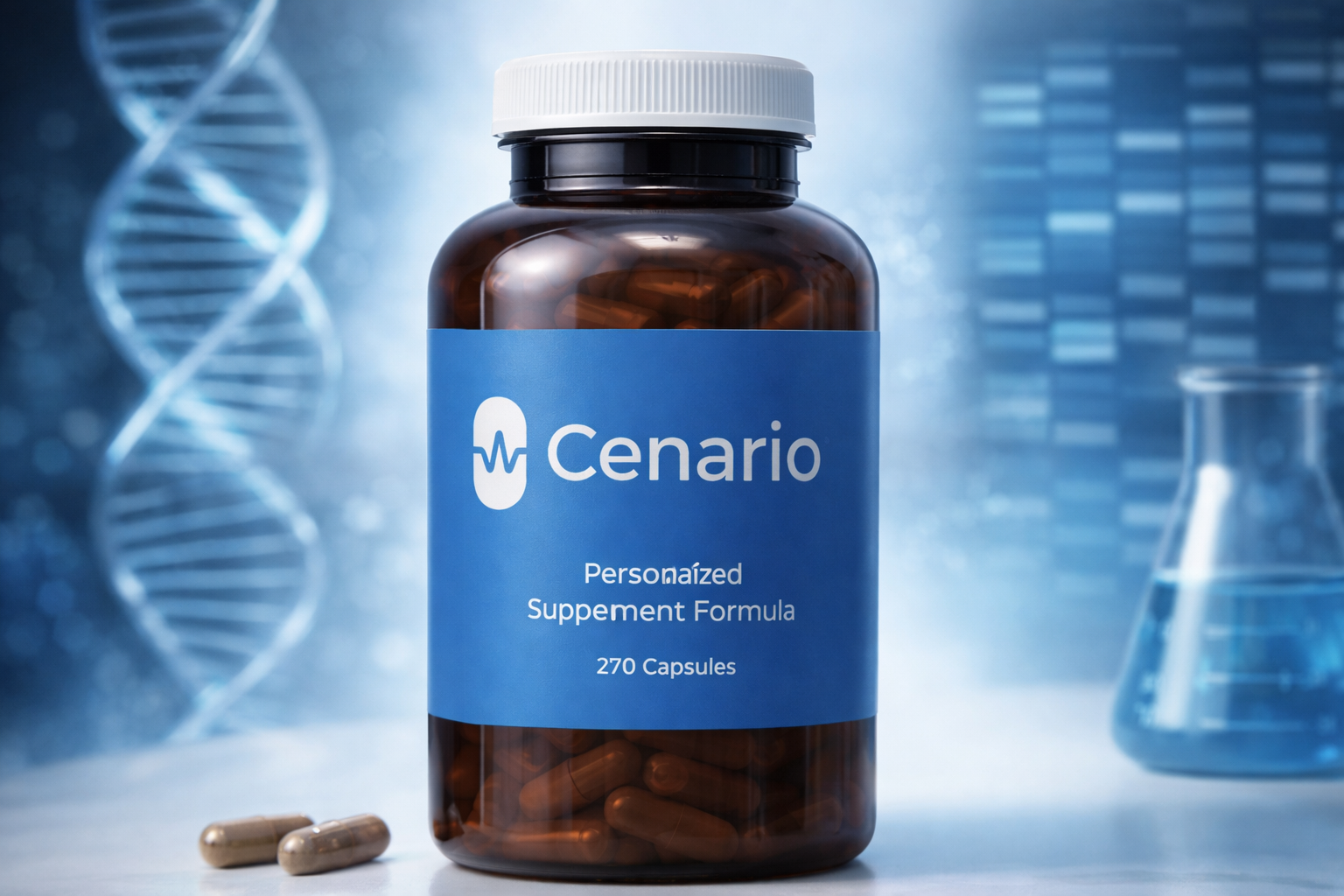

In today’s fast-paced world, anxiety and depression have become increasingly common, affecting millions of people worldwide. As traditional treatments often come with their own set of challenges, many are turning towards natural alternatives to support mental health. One such approach gaining attention is the use of vitamins. The field of nutritional neuroscience is exploring how these essential nutrients can play a significant role in mood regulation and mental well-being.
Understanding the Role of Vitamins in Mental Health
The appeal of vitamins as a natural remedy for anxiety and depression lies in their potential to offer relief without the side effects commonly associated with medications. This growing interest is fueled by research into how specific vitamins can influence brain chemistry and function. Vitamins, particularly B6, B complex (including B12), and D, have shown promise in supporting mental health by aiding in the production of neurotransmitters and regulating mood.
Why Consider Vitamins for Anxiety and Depression?
Many individuals experience frustration with traditional treatments, which can include medication and therapy, due to side effects or limited effectiveness. This has led to an increased curiosity about natural alternatives that might complement or enhance standard treatment approaches. Could vitamins be the missing piece in your mental health puzzle? This question resonates with those seeking holistic ways to manage their mental well-being.
Vitamins are not only crucial for physical health but also play a vital role in maintaining emotional balance. They are involved in numerous biochemical processes that are essential for brain health. For instance, vitamin B6 is known to contribute to the production of neurotransmitters like GABA, which helps to calm the nervous system. Similarly, vitamin D is linked to mood regulation, with deficiencies often correlating with increased symptoms of anxiety and depression.
Stop guessing and start with clarity
Use the Cenario quiz to find evidence-based supplement options tailored to your needs.
As interest in these natural approaches grows, it is essential to consider how vitamins can be integrated into a broader strategy for managing anxiety and depression. While vitamins alone may not be a cure-all, they can be a valuable component of a comprehensive mental health plan. Always consult with a healthcare professional before starting any new supplementation to ensure it aligns with your individual health needs.
Vitamin B6: A Key Player in Neurotransmitter Production
Vitamin B6 is crucial in the production of neurotransmitters, particularly gamma-aminobutyric acid (GABA), which plays a significant role in calming the nervous system. Research suggests that high-dose supplementation of vitamin B6 can help reduce symptoms of anxiety and depression. Although the effects are modest compared to traditional medications, vitamin B6 offers a low-risk alternative with minimal side effects.
Combining vitamin B6 with talking therapies may enhance its effectiveness, providing a more comprehensive approach to mental health management. However, it is important to note that current research is still in its early stages, and further studies are needed to solidify these findings.
Exploring the Benefits of the Vitamin B Complex
The vitamin B complex, which includes B12 and folic acid, has been shown to significantly decrease depression scores in various studies. These vitamins are essential for maintaining brain health and can be effective when used alongside standard treatments. Methylated vitamin B complex supplements, in particular, have demonstrated modest improvements in depressive and anxiety symptoms.
It is advisable for individuals to assess their vitamin B12 levels through blood tests, as deficiencies are often linked to depression. Generally, B vitamins are well-tolerated and serve as effective adjuncts to traditional treatments, offering a natural boost to mental well-being.
Vitamin D: Addressing Deficiency for Mental Health
Vitamin D deficiency is commonly associated with increased symptoms of anxiety and depression. Supplementation of vitamin D has been found to significantly reduce these symptoms, especially in individuals with a baseline deficiency. While the optimal dosing of vitamin D can vary, it is crucial to tailor supplementation to individual needs and monitor serum levels for effective management.
Systematic reviews and meta-analyses support the role of vitamin D in alleviating cognitive-affective symptoms of depression, highlighting its moderate effect size. This evidence underscores the importance of vitamin D in supporting mental health, particularly for those who are deficient.
Magnesium: Supporting Brain Function
Magnesium is often recommended for managing anxiety and insomnia due to its role in regulating serotonin and supporting overall brain function. Including magnesium in a holistic approach to anxiety management can be beneficial, as it complements the effects of vitamins B6, B12, and D.

Incorporating magnesium into your mental health strategy can provide additional support, helping to maintain emotional balance and improve sleep quality.
Conclusion: Integrating Vitamins for Mental Health
Vitamins B6, B12, D, and magnesium offer promising benefits for those seeking natural relief from anxiety and depression. While they should not replace prescribed medications without medical advice, these vitamins can be valuable components of a comprehensive mental health plan.
Consulting with healthcare professionals is essential before starting any new supplementation to ensure it aligns with individual health needs. By integrating these vitamins into your routine, you can support your mental well-being and potentially enhance the effectiveness of traditional treatments.
Magnesium: Supporting Brain Function
Magnesium is a crucial mineral that plays a significant role in managing anxiety and insomnia. It is known for its ability to regulate serotonin, a neurotransmitter that contributes to feelings of well-being and happiness. By supporting overall brain function, magnesium can be an essential component of a holistic approach to anxiety management.
Incorporating Magnesium into Your Routine
Including magnesium in your mental health strategy can provide additional support, complementing the effects of vitamins B6, B12, and D. It can help maintain emotional balance and improve sleep quality, which are vital for managing anxiety and depression. As with any supplement, it is important to consult a healthcare professional to determine the appropriate dosage and ensure it aligns with your individual health needs.
Conclusion: Integrating Vitamins for Mental Health
Vitamins B6, B12, D, and magnesium offer promising benefits for those seeking natural relief from anxiety and depression. While they should not replace prescribed medications without medical advice, these vitamins can be valuable components of a comprehensive mental health plan. By integrating these vitamins into your routine, you can support your mental well-being and potentially enhance the effectiveness of traditional treatments.
Consulting with healthcare professionals is essential before starting any new supplementation to ensure it aligns with individual health needs. This approach not only ensures safety but also maximizes the potential benefits of vitamins in supporting mental health.
Get personalized supplement guidance
Take the Cenario quiz Quizto identify which supplements and lifestyle areas best support your mood, stress, sleep, and focus.
Frequently Asked Questions
What vitamins are best for anxiety and depression?
Vitamins B6, B12, D, and magnesium are key nutrients backed by research for their potential to alleviate symptoms of anxiety and depression. These vitamins support neurotransmitter production and brain function, contributing to improved mental health.
How should I determine the right dosage of vitamins?
Determining the right dosage of vitamins should be done in consultation with a healthcare provider. They may recommend conducting blood tests to assess individual needs and ensure optimal supplementation for anxiety and depression management.
Are there any side effects of taking these vitamins?
These vitamins are generally considered safe, but it is important to be cautious and seek professional guidance. Some individuals may experience mild side effects, and it is crucial to follow recommended dosages to avoid any adverse effects.
Can vitamins replace medication for anxiety and depression?
Vitamins can be a supportive measure but should not replace prescribed medication without medical advice. They can complement traditional treatments and enhance overall mental health strategies when used appropriately.
How long does it take to see results from vitamin supplementation?
Results from vitamin supplementation can vary among individuals. Some may notice improvements within weeks, while others may take longer. Consistency in supplementation and consultation with a healthcare provider can help optimize results.