
In today’s busy world, stress and anxiety affect millions of people every day. With so much going on school, work and family it’s no wonder many people are looking for natural ways to feel better. One popular option is herbal teas for anxiety. These calming drinks have been used for centuries to reduce stress, calm the mind, and even help with sleep.
Why People Choose Herbal Teas for Anxiety
Many people prefer herbal remedies like tea because they are natural, caffeine free, and easy to include in daily life. Unlike medications, herbal teas usually don’t cause serious side effects, and they can be a relaxing part of your daily routine.
Studies show that some herbal teas contain natural chemicals that help reduce anxiety symptoms. They can also support better sleep, lower blood pressure, and improve your mood. Best of all, having a cup of tea can feel like a calming ritual that brings peace and comfort.
Top Herbal Teas That Help Reduce Anxiety
Let’s take a deep dive into some of the best herbal teas for anxiety, each backed by scientific studies, traditional use, and real-life results. Whether you’re new to herbal teas or already a fan, these teas can help you reduce stress, ease an upset stomach, and promote overall mental wellness.
Chamomile Tea: Gentle and Soothing
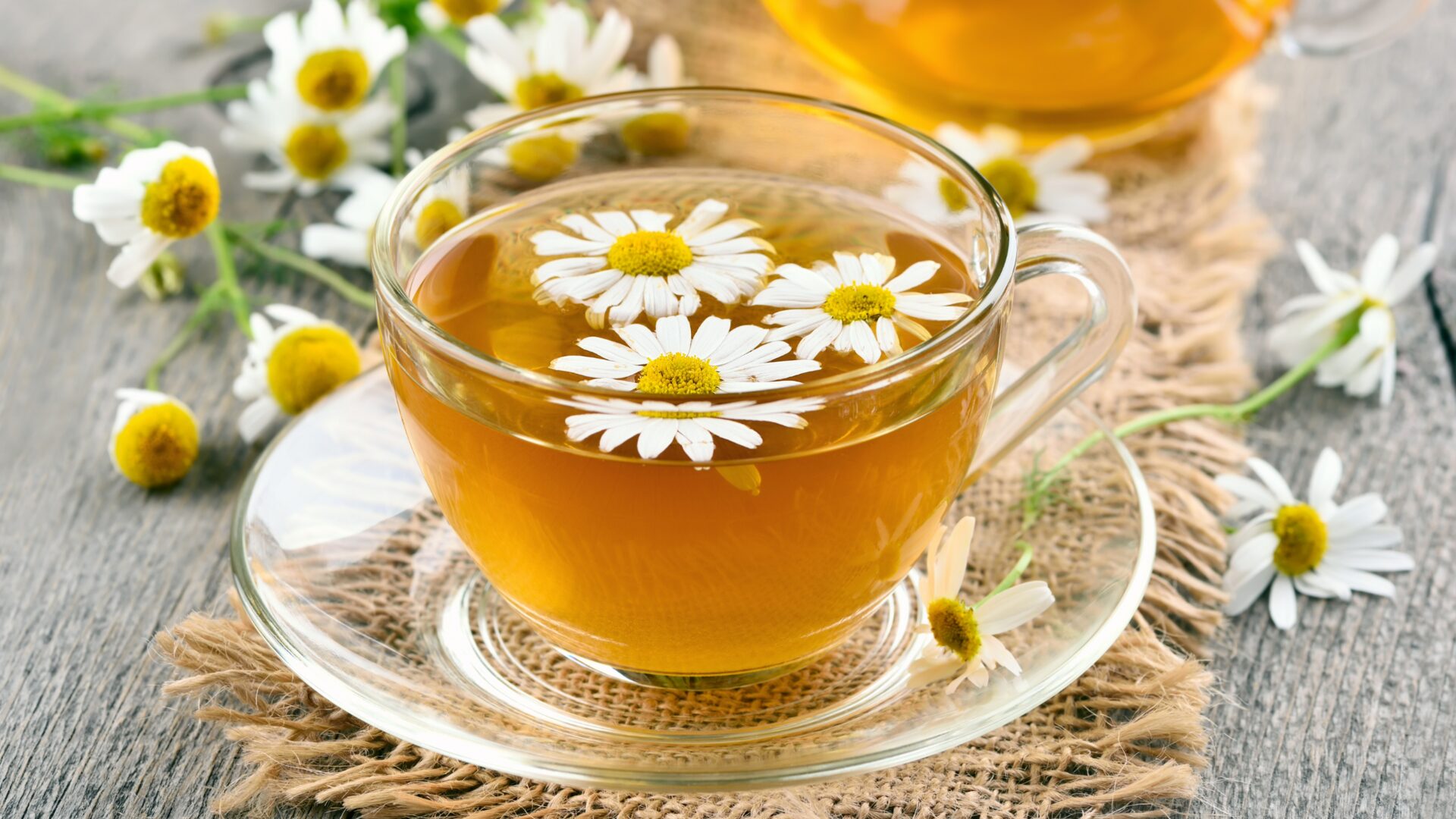
Chamomile tea is one of the most well-known and widely used herbal remedies for stress and anxiety. It comes from dried flowers of the chamomile plant and is known for its light, slightly sweet flavor.
How It Works:
Chamomile contains a compound called apigenin, which is a type of flavonoid. This natural chemical binds to certain receptors in the brain, working similarly to anti-anxiety medications—but without the harsh side effects.
What Studies Show:
Scientific research has found that people who drink chamomile tea regularly show lower levels of anxiety. One study showed that long-term chamomile use significantly reduced anxiety symptoms in people with Generalized Anxiety Disorder (GAD).
Health Benefits:
- Acts as a natural sedative to calm the nervous system
- Relieves upset stomach and supports digestion
- Improves sleep quality and reduces insomnia
- Anti-inflammatory properties that may ease tension-related headaches
Best Time to Drink:
In the evening or before bed for a peaceful, relaxing night’s sleep.
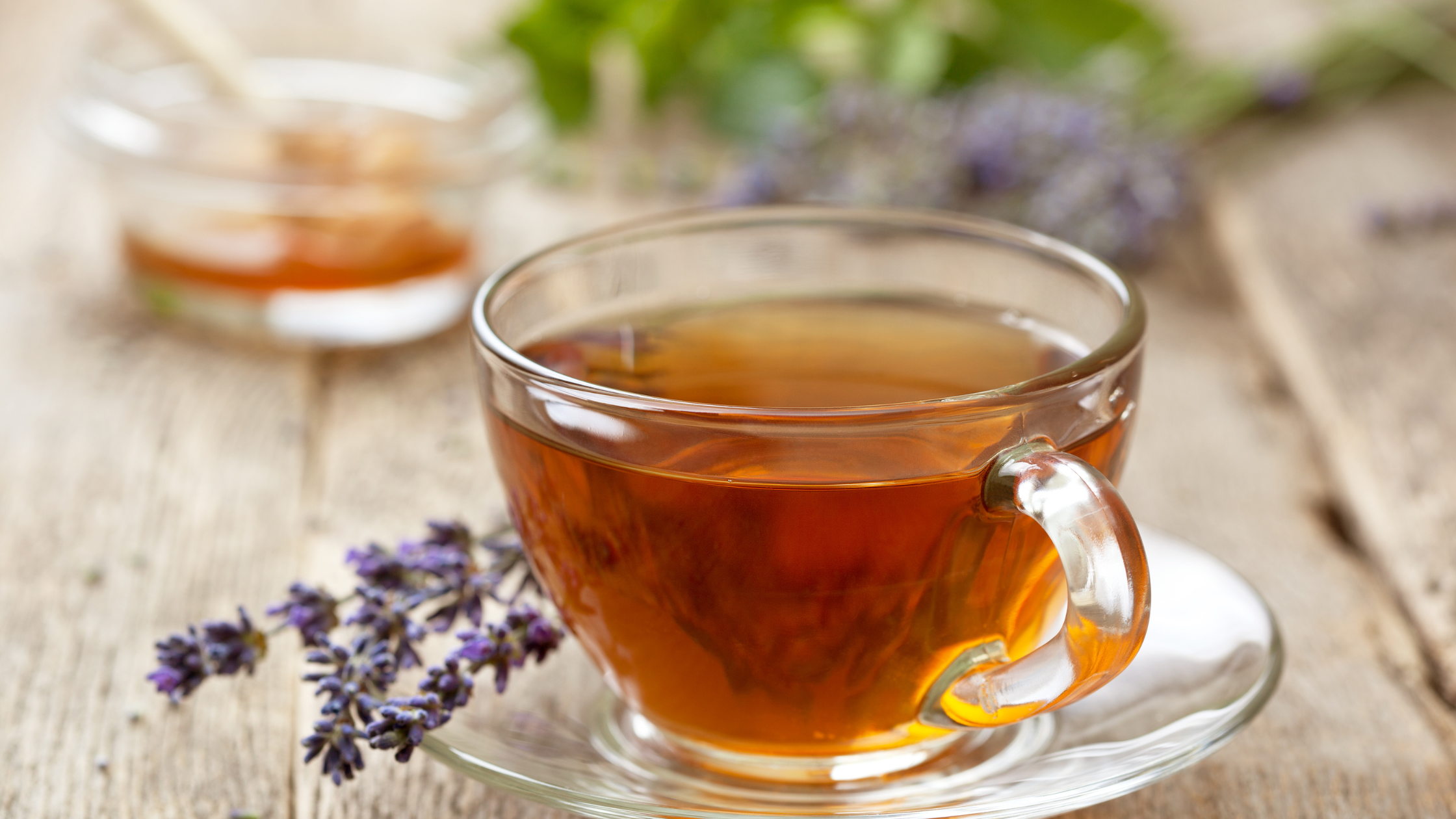
LavenderTea: Aromatic and Calming
Lavender tea is made from the purple buds of the lavender plant. It has a strong floral aroma that’s known to bring a sense of peace and emotional balance. Often used in aromatherapy, lavender also works wonders when brewed into tea.
How It Works:
Lavender tea has natural sedative and mood-stabilizing properties. It helps slow down the nervous system, reduces heart rate, and calms breathing—all of which help to reduce stress and promote relaxation.
What Studies Show:
Clinical trials, especially with older adults and women, have shown that drinking lavender tea can reduce both anxiety and depression scores. Its benefits are not just psychological—its aroma alone has been shown to affect brain waves related to calmness.
Health Benefits:
- Reduces anxiety and emotional tension
- May lower blood pressure by calming the cardiovascular system
- Improves sleep and reduces insomnia
- Anti-anxiety effects confirmed in aromatherapy and tea form
Best Time to Drink:
Late afternoon or evening, especially after a stressful day.
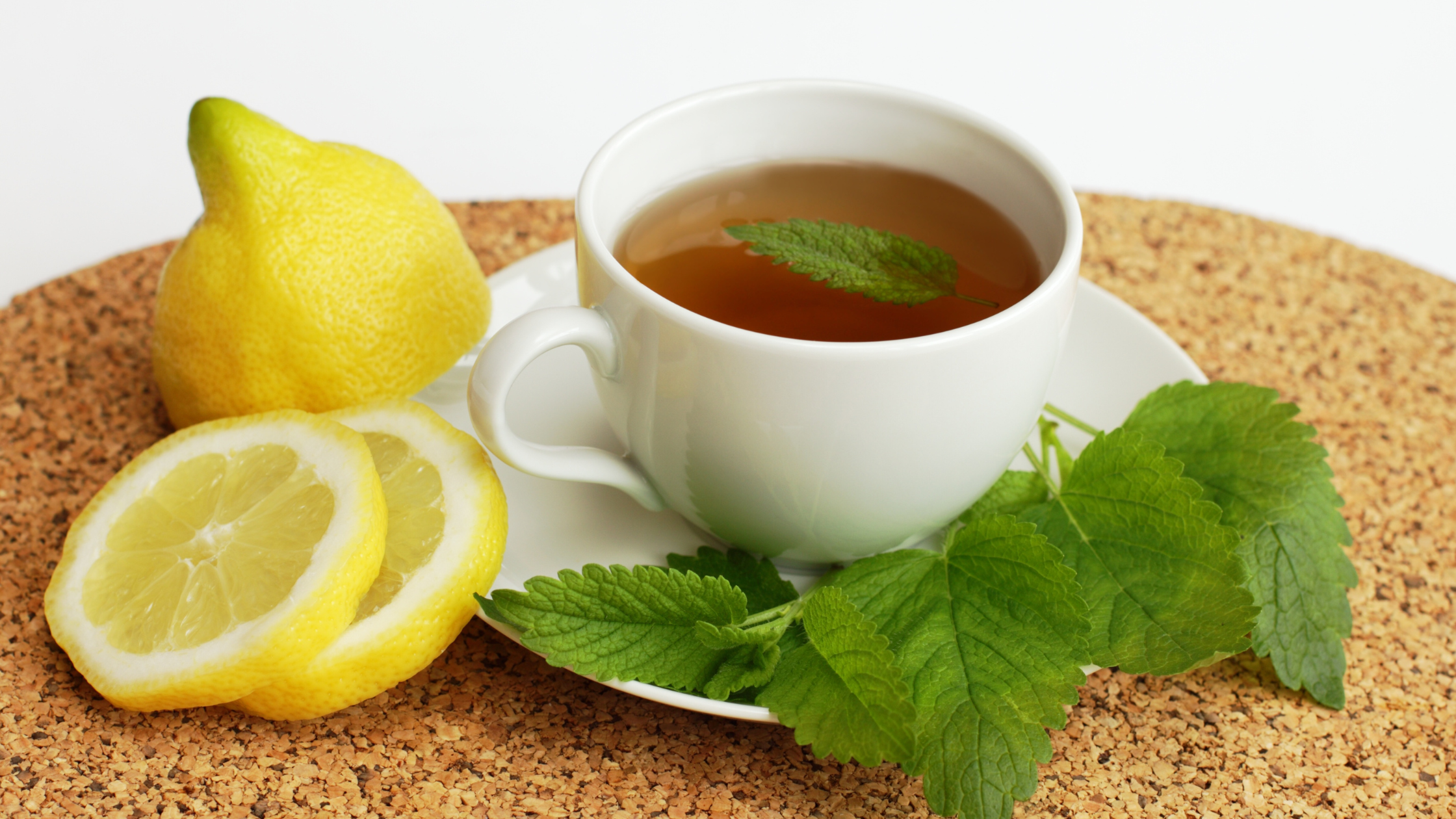
Lemon Balm Tea: Mood-Boosting and Gut-Friendly
Lemon balm tea comes from the leaves of the lemon balm plant, a member of the mint family. It has a subtle lemon flavor and is known for its dual-action benefits: calming the mind and soothing the stomach.
How It Works:
Lemon balm contains compounds like rosmarinic acid that help regulate neurotransmitters such as GABA (gamma-aminobutyric acid), which plays a key role in calming brain activity.
What Studies Show:
In one study, people who took lemon balm extracts reported better mood, increased calmness, and improved memory and focus. It’s especially helpful for those whose anxiety symptoms are linked to digestive issues.
Health Benefits:
- Reduces anxiety and boosts mood naturally
- Soothes digestive discomfort, bloating, and nausea
- Improves focus and mental clarity
- May offer anti-inflammatory and anti-viral benefits
Best Time to Drink:
Midday or evening—great for calming nerves and digestion after meals.
Other Helpful Herbal Teas for Anxiety
In addition to the top three, here are more herbal teas that provide powerful health benefits for those dealing with stress and anxiety:
Peppermint Tea
Made from peppermint leaves, this tea is known for its refreshing, minty flavor and cooling sensation. It doesn’t directly act on the brain like chamomile or lavender, but it’s incredibly helpful for calming digestive issues that often come with anxiety.
Benefits:
- Relieves stomach cramps, bloating, and nausea
- Provides a sense of mental refreshment and clarity
- Natural muscle relaxant that reduces body tension
Green Tea
Although not completely caffeine-free, green tea contains a unique amino acid called L-theanine, which has been shown to reduce stress and improve focus without causing drowsiness.
Benefits:
- Boosts alertness while keeping you calm
- Rich in antioxidants for overall health benefits
- Supports heart health and lowers blood pressure
- Balances energy with calmness due to L-theanine
Holy Basil (Tulsi) Tea
Used in Ayurvedic medicine for thousands of years, Holy Basil is an adaptogen, meaning it helps your body adapt to physical and mental stress.
Benefits:
- Reduces cortisol levels (stress hormone)
- Enhances mental clarity and focus
- Supports immune function and balances hormones
Valerian Root Tea
Valerian root is a strong anti-anxiety herb often used to treat sleep disorders. It has a woody, earthy taste and is best consumed before bedtime.
Benefits:
- Acts as a natural sedative
- Promotes deep, restful sleep
- Eases muscle tension and nervous restlessness
Passionflower Tea
Another popular tea for sleep and relaxation, passionflower works by increasing levels of GABA in the brain.
Benefits:
- Reduces nervous anxiety and racing thoughts
- Helps with insomnia and sleep quality
- May reduce mild symptoms of depression
Blending Teas for Extra Relaxation
You can take the benefits of herbal teas for anxiety even further by blending multiple herbs into one calming cup. These blends are not only more flavorful, but also more effective at targeting multiple symptoms of anxiety—mental, emotional, and physical.
Popular Blends:
- Chamomile + Lavender + Lemon Balm
A bedtime classic, this mix combines sleep support, stress relief, and digestive comfort. - Valerian + Passionflower
Designed for deeper relaxation, perfect if you suffer from night-time anxiety, restlessness, or insomnia.
Where to Find These Blends:
Many brands now sell commercial herbal tea blends that include these ingredients in ready-to-use tea bags. Look for labels that say things like “Sleep”, “Calm”, or “Stress Relief they often contain a mix of anti-anxiety herbs.
Pro Tip:
Always check labels for added ingredients. Stick with caffeine free, organic options when possible.
What Science and People Say
Scientific research supports the use of herbal teas for reducing anxiety. For example, studies show that chamomile and lavender can noticeably lower anxiety scores in people who drink them regularly.
In addition to science, many people share their positive experiences with herbal teas for anxiety. They often say it’s not just the tea, but the act of brewing and sipping it that makes a difference. This calming habit helps create a peaceful moment in a stressful day.
Safety Tips and Side Effects
While most herbal teas are safe, you should still be careful:
- Talk to a doctor if you’re taking medication, since some herbs may change how drugs work.
- Try a small amount first to make sure you don’t have an allergic reaction.
- Avoid drinking too much, especially teas like valerian, which can make you very sleepy.
Frequently Asked Questions
How often should I drink herbal tea for anxiety?
For the best results, you can drink herbal tea for anxiety 1 to 3 times per day, depending on your needs. Many people prefer a cup in the evening or before bed, when calming herbs like chamomile or lavender can help relax the mind and promote better sleep. If your anxiety shows up during the day, a morning or afternoon cup of lemon balm or peppermint tea may help.
Start with one cup daily and see how your body responds before increasing the amount.
Are there any side effects of drinking herbal teas for anxiety?
While herbal teas are generally safe, some people may experience mild side effects, such as:
- Digestive upset (like bloating or nausea)
- Drowsiness, especially with sedative herbs like valerian or passionflower
- Allergic reactions, particularly with herbs like chamomile (for those allergic to ragweed)
- Possible interactions with medications, such as blood thinners or antidepressants
To stay safe, start with small amounts and talk to your doctor if you’re on medication, pregnant, or have a medical condition.
Is it okay to drink herbal tea every day?
In most cases, yes. Drinking herbal teas for anxiety daily is generally safe for healthy individuals. However, it’s best to vary the types of herbs you use and not rely on a single herb every day long-term. Always monitor how your body responds and check with your doctor if you’re taking medications or have a health condition.
Can I give herbal tea to teens or children with anxiety?
Some mild herbal teas, like chamomile or lemon balm, may be safe for older children or teens in small amounts. However, it’s very important to consult with a pediatrician before giving any herbal tea to children, especially blends that contain stronger herbs like valerian or passionflower.
Final Thoughts
Herbal teas for anxiety offer a simple, soothing way to bring more calm and balance into your daily routine. Whether you enjoy the gentle touch of chamomile tea, the floral aroma of lavender, the refreshing lift of lemon balm, or a custom blend of calming herbs, these caffeine-free beverages support both your mental clarity and physical wellness.
Blending ancient herbal remedies with modern science, herbal teas provide a natural alternative to managing stress and anxiety—without relying on heavy medications. Just remember: consistency is key, and it’s important to choose the right herbs that work best for your unique body and mind.
Looking for a more personalized approach to your mental wellness?
Take our quick quiz to get a custom supplement recommendation tailored to your specific mental health needs. Whether you’re dealing with stress, anxiety, low energy, or poor sleep—we’ll help you find the right natural support.
Take the Quiz Now and discover your personalized path to calm..