
Anxiety attacks are sudden episodes of intense fear or discomfort that can strike without warning. These attacks often manifest through a rapid heartbeat, sweating, trembling, and an overwhelming sense of fear or worry. As our understanding of mental health continues to evolve, anxiety disorders have become increasingly recognized, prompting a growing interest in natural remedies that may help alleviate symptoms.
Understanding Anxiety Attacks
Anxiety attacks, also known as panic attacks, can be debilitating experiences. They are characterized by a sudden surge of overwhelming fear or apprehension, often accompanied by physical symptoms such as a racing heart, shortness of breath, dizziness, and a feeling of losing control. These attacks can occur unexpectedly, leaving individuals feeling vulnerable and anxious about future episodes. The prevalence of anxiety disorders has been on the rise, with many seeking effective and natural ways to manage their symptoms.
The Role of Vitamins in Mental Health
In recent years, there has been a growing recognition of the role that vitamins and nutrients play in supporting mental health. Vitamins are essential for various bodily functions, including brain health, and some have shown potential in alleviating symptoms of anxiety. Among these, Vitamin B6 has emerged as a promising option for those looking for natural solutions to anxiety attacks.
Vitamin B6, also known as pyridoxine, is a water-soluble vitamin that plays a crucial role in neurotransmitter synthesis. It is involved in the production of serotonin, dopamine, and gamma-aminobutyric acid (GABA), all of which are key players in mood regulation and anxiety reduction. By supporting the production of these neurotransmitters, Vitamin B6 may help to calm the nervous system and reduce the frequency and intensity of anxiety attacks.
As interest in natural remedies for anxiety grows, Vitamin B6 has gained attention as a potential ally in managing anxiety symptoms. It offers a natural approach to supporting mental health, appealing to those who prefer to avoid pharmaceutical interventions. While more research is needed to fully understand its efficacy, the existing evidence suggests that Vitamin B6 could be a valuable addition to a holistic approach to anxiety management.
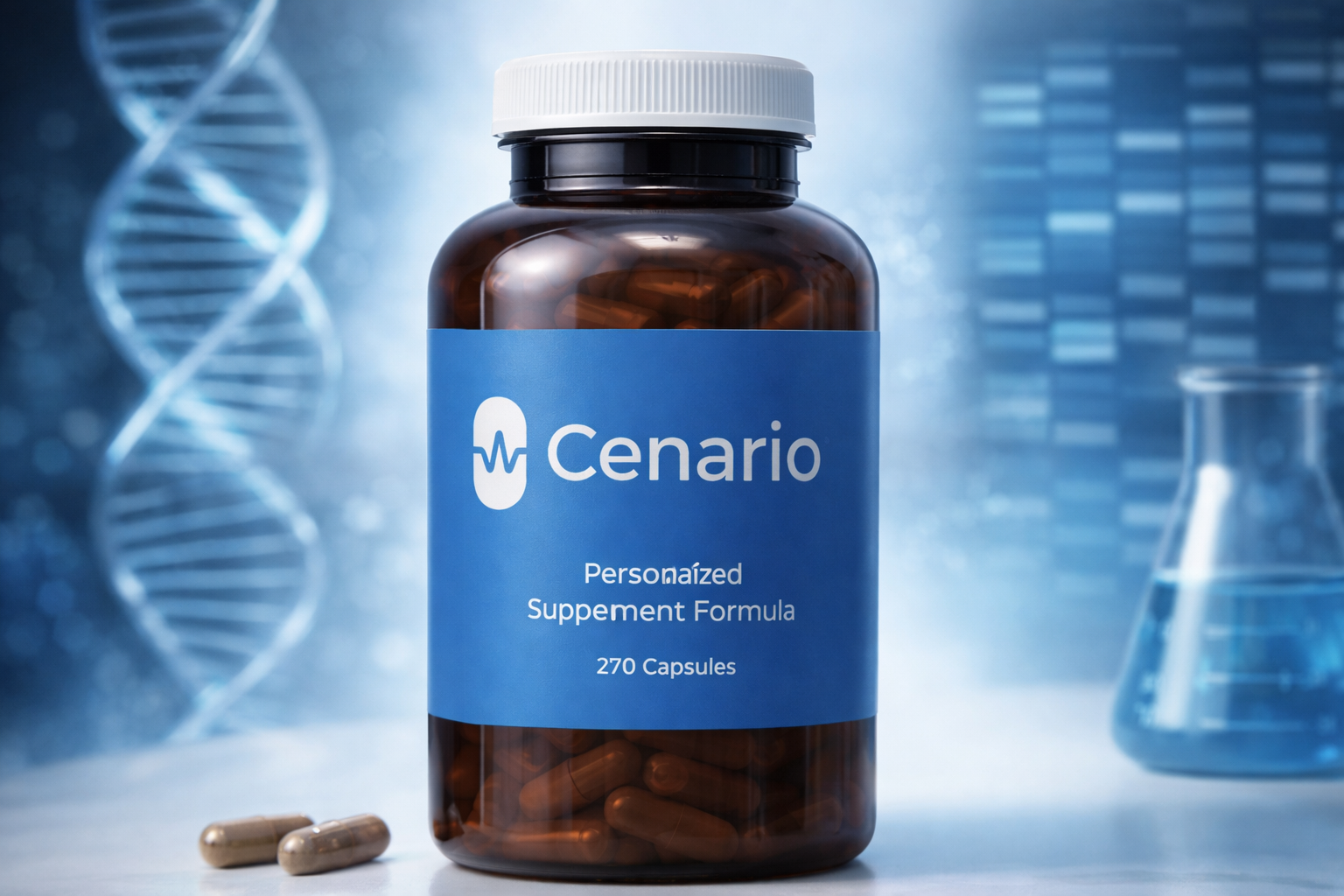
Use the Cenario quiz to find evidence-based supplements options tailored to your needs.

In the following sections, we will delve deeper into the science behind Vitamin B6 and its impact on anxiety, explore other vitamins that may support mental health, and discuss safe supplementation practices. This exploration aims to provide a comprehensive overview of how vitamins, particularly Vitamin B6, can serve as natural allies in the battle against anxiety attacks.
Vitamin B6 and Its Impact on Anxiety
Mechanism of Action
Vitamin B6 plays a critical role in the synthesis of neurotransmitters, particularly gamma-aminobutyric acid (GABA), which is known for its calming effects on the brain. GABA acts as an inhibitory neurotransmitter, helping to reduce neuronal excitability and induce relaxation. By increasing GABA production, Vitamin B6 can potentially help to stabilize mood and alleviate the symptoms of anxiety attacks.
Additionally, Vitamin B6 is involved in the production of serotonin and dopamine, neurotransmitters that are crucial for regulating mood and emotional well-being. By supporting the synthesis of these chemicals, Vitamin B6 may contribute to a more balanced emotional state, reducing the frequency and intensity of anxiety attacks.
Research Findings
Recent studies have highlighted the potential benefits of Vitamin B6 supplementation in reducing symptoms of anxiety and depression. One study found that individuals taking high doses of Vitamin B6 experienced significant improvements in their anxiety levels compared to those taking a placebo. This suggests that Vitamin B6 could be an effective natural remedy for managing anxiety attacks.
Furthermore, research indicates that individuals with lower intake of Vitamin B6 tend to report higher levels of anxiety. Supplementation with Vitamin B6 has shown statistically significant improvements in anxiety measures, reinforcing its potential as a beneficial addition to anxiety management strategies.
Comparative Analysis of Vitamins
Vitamin D
Vitamin D has also been linked to mental health, with studies suggesting that low levels of Vitamin D are associated with increased anxiety and depression. Supplementation with Vitamin D, particularly among individuals with clinically low levels, has shown improvements in anxiety symptoms. This makes Vitamin D another valuable vitamin to consider for those experiencing anxiety attacks.
B Vitamins (General/B Complex)
Beyond Vitamin B6, other B vitamins play vital roles in the nervous system and neurotransmitter regulation. Vitamins B1 (thiamine), B2 (riboflavin), B3 (niacin), and B12 are all essential for maintaining a healthy nervous system. Intake of B-complex vitamins, whether through diet or supplements, has been associated with reduced anxiety and stress scores in various populations.
In particular, Vitamin B8 (inositol) has shown promise in reducing the frequency and intensity of panic attacks in some studies, making it a potential complementary option for those dealing with anxiety disorders.
Get personalized supplement guidance
Take the Cenario quiz to identify which supplements and lifestyle areas best support your mood, stress, sleep, and focus.
Other Supplements Often Mentioned
In addition to vitamins, several other supplements are frequently discussed in the context of anxiety management. Magnesium is often cited for its calming effects and is sometimes used alongside Vitamin B6. Melatonin, omega-3 fatty acids, and herbal remedies like ashwagandha and valerian root are also popular choices. While these are not vitamins, they may play supportive roles in a holistic anxiety management plan.
It’s important to note that while these supplements can be beneficial, they should be used with caution and ideally under the guidance of a healthcare professional. This ensures that they complement rather than complicate existing treatment plans, especially for individuals with pre-existing conditions or those taking medications.

Safety and Limitations of Vitamin B6 and Other Supplements
Potential Risks
While vitamins can offer significant benefits for anxiety management, it is crucial to adhere to recommended dosages. Excessive intake of certain vitamins or supplements can lead to adverse health effects. For instance, high doses of Vitamin B6 over extended periods can cause nerve damage, leading to symptoms such as numbness or tingling in the extremities. It’s essential to follow dosage guidelines and consult with a healthcare professional to ensure safe use.
Moreover, while some supplements like magnesium and melatonin are popular for their calming effects, the evidence supporting their efficacy in treating anxiety disorders specifically is not as robust. Users should be cautious and not rely solely on these supplements without professional guidance.
Consultation and Clinical Guidance
Before beginning any new supplement regimen, especially for managing anxiety attacks, consulting a healthcare provider is strongly recommended. This is particularly important for individuals with existing health conditions or those taking medications, as supplements can interact with other treatments. Healthcare professionals can offer personalized advice and ensure that any supplementation plan is safe and effective.
Incorporating professional guidance helps tailor the approach to individual needs, ensuring that supplements complement other therapeutic strategies and do not interfere with ongoing treatments.
Find what fits you
Take the Cenario quiz for a personalized approach to emotional well-being.
Frequently Asked Questions
Which vitamins are most effective for anxiety attacks?
Vitamin B6 and Vitamin D have shown promising results in research, with B-complex vitamins also playing a supportive role. These vitamins are known for their roles in neurotransmitter synthesis and mood regulation, making them potentially effective for reducing anxiety symptoms.
Can Vitamin B6 be taken with other anxiety supplements?
Yes, Vitamin B6 is often used in conjunction with other supplements like magnesium. However, it’s important to consult a healthcare provider for personalized advice to ensure safe and effective use of multiple supplements.
How long does it take to see results from Vitamin B6 supplementation?
Results can vary, but some studies suggest improvements in anxiety symptoms can be observed within a few weeks of consistent Vitamin B6 supplementation. Regular monitoring and professional guidance can help optimize outcomes.
Are there any side effects of taking Vitamin B6 for anxiety?
Generally, Vitamin B6 is considered safe when taken within recommended doses. However, high doses may cause nerve damage over time. Always follow dosage guidelines and consult a healthcare professional if any adverse effects occur.
Is Vitamin B6 supplementation suitable for everyone?
While many people can benefit from Vitamin B6, individuals with certain medical conditions or those taking specific medications should consult with a healthcare professional before starting supplementation to ensure it is appropriate for their situation.
In conclusion, while vitamins like B6 and D can be beneficial in managing anxiety attacks, they should be used as part of a comprehensive approach that includes professional guidance and consideration of individual health needs. By taking a well-rounded approach, individuals can effectively support their mental health and reduce anxiety symptoms.