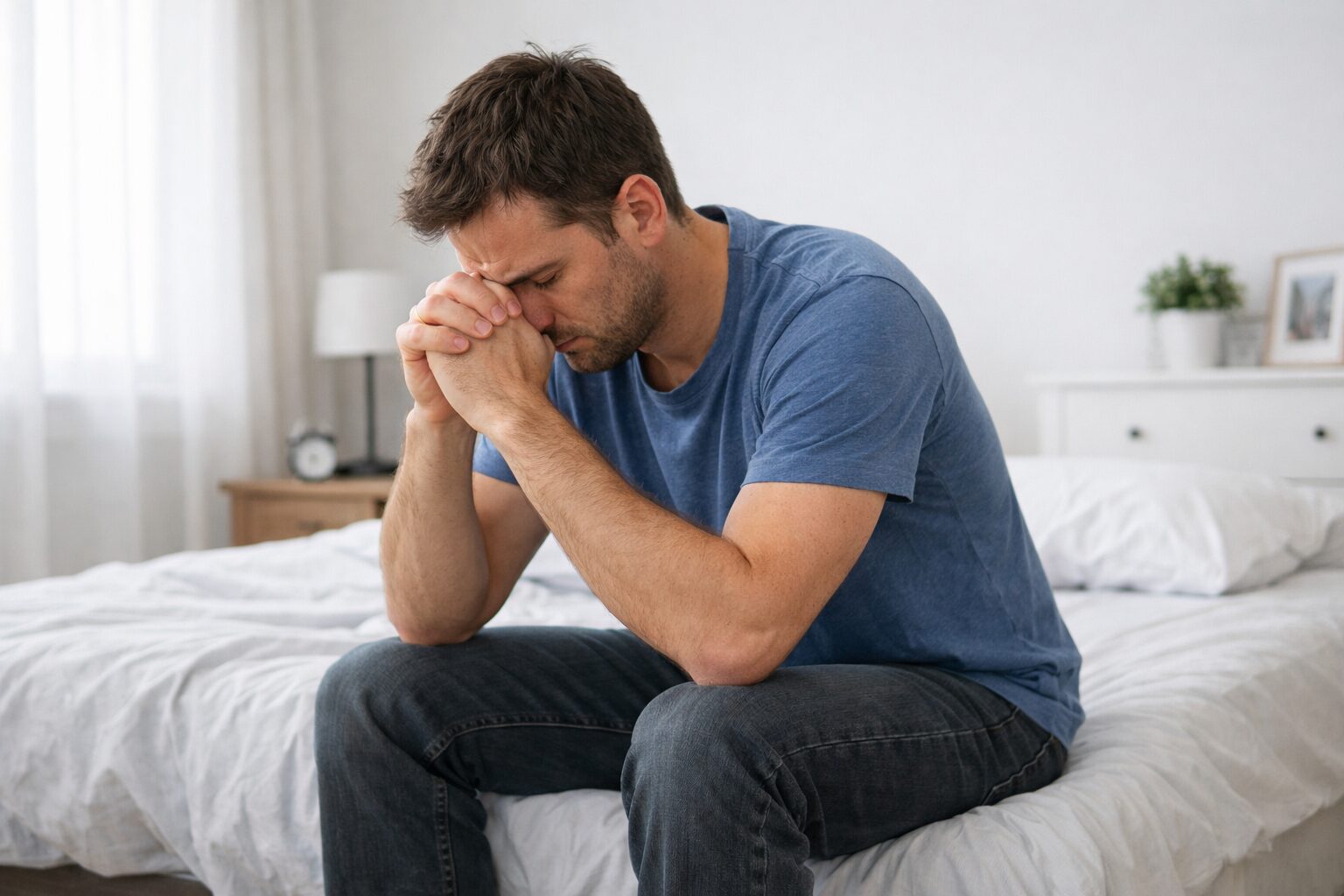

Depression does not look the same in everyone. Many people picture deep sadness and tears, but for men the picture can be different. Men often show signs and symptoms of depression in males through anger, risk-taking, or drinking instead of obvious sadness. Those alternative expressions make depression harder to spot and easier to dismiss as stress, temperament, or a bad mood.
Why awareness matters for signs and symptoms of depression in males
Recognizing the signs and symptoms of depression in males matters because the condition is common and often missed. Around 1 in 8 men will experience depression at some point, yet many do not get diagnosed or treated. When signs are missed, men face higher risks of substance misuse, relationship breakdown, work problems, and suicide. Men are three to four times more likely to die by suicide than women, so early recognition is critical.
How social norms change what we look for
Societal expectations about masculinity shape how men show distress. Anger and irritability can be more socially accepted than crying, so men may express pain through aggression or withdrawal. That shift affects the signs and symptoms of depression in males by hiding core emotional distress behind behaviors that seem unrelated to mood. Clinicians, families, and coworkers who only watch for sadness can miss important warning signs.
What this post will cover
This article will outline less obvious signs and symptoms of depression in males and explain why they get overlooked. Key areas we will explore include:
- Irritability, anger, and aggression that replace visible sadness
- Increased alcohol or drug use as a coping strategy
- Social withdrawal and avoidance of friendships or family
- Physical complaints such as fatigue, sleep changes, and unexplained aches
- Sexual problems like low libido or erectile difficulties
- Cognitive issues such as poor concentration and indecision
- Risk-taking behaviors and overwork used to escape emotional pain
Later sections will dig into each symptom, suggest how to talk to someone you are worried about, and list practical steps for finding help.
Emotional and behavioral signs to watch
When depression shows up in men, it often wears a different mask. Instead of tearfulness, look for changes in tone, behavior, or coping. These signs and symptoms of depression in males can be easy to mistake for stress or personality quirks unless you know what to watch for.
Irritability, anger, and sudden mood shifts
Frequent irritation, short temper, or outbursts that seem out of character can be expressions of underlying low mood. Examples include:
- Routine conversations escalating into anger
- Ongoing bitterness about small problems
- Snapping at family or coworkers without obvious cause
Notice patterns rather than isolated incidents. If anger replaces previously calm reactions, it may be a symptom rather than just an attitude.
Substance use as a coping strategy
Using alcohol, prescription meds, or recreational drugs to cope is a common pathway for men trying to dull emotional pain. Red flags include increased frequency, drinking alone, or using substances to unwind daily. This becomes a cycle: substances can relieve feelings briefly but then worsen sleep, mood, and decision making, reinforcing dependence and deeper depression.

Withdrawal from people and activities
Pulling away from friends, stopping hobbies, or avoiding family gatherings can hide depression. Key clues are changes from previous levels of engagement. A normally social person who cancels plans regularly or a hobbyist who stops practicing a craft both warrant attention.
Simple questions that focus on behavior—”Have you stopped doing things you used to enjoy?”—are more likely to open conversation than asking directly about sadness.
Physical and cognitive symptoms often overlooked
Men commonly report physical complaints to doctors before they say they feel depressed. Those symptoms can mask the mood problem and delay mental health care.
Common physical complaints
Watch for clusters of bodily symptoms that do not have an obvious medical cause. These include:
- Low energy or persistent fatigue
- Sleep problems, such as trouble falling asleep or staying asleep
- Unexplained aches, headaches, or digestive problems
When physical treatments do not resolve these issues, consider mood as a contributing factor. Men often describe being “run down” rather than “sad.”
Sexual problems and intimacy changes
Reduced interest in sex, erectile difficulties, or less emotional closeness can be signs and symptoms of depression in males. Shame and embarrassment often stop men from bringing these problems up. Asking about changes in sexual function and intimacy in a straightforward, nonjudgmental way can clarify whether mood is involved.
Cognitive symptoms that affect daily life
Depression can impair thinking. Look for trouble concentrating, indecision, slowed thinking, or short-term memory lapses. These issues show up as missed deadlines, careless errors at work, or problems managing everyday tasks.
Because cognitive signs can be mistaken for stress or aging, compare current functioning to past performance to detect meaningful decline.
Practical signs checklist and next steps
Use this short checklist when you suspect something more than temporary stress:
- Behavior change from baseline: anger, withdrawal, or increased substance use
- Two or more persistent physical symptoms without clear medical cause
- New or worsening sexual problems or relationship strain
- Noticeable drop in work performance or decision making
Recognizing these less obvious signs and symptoms of depression in males helps bring men into care earlier. A calm, practical conversation followed by a clinical check can change the path from hidden distress to effective treatment.
Risk taking and escapist behaviors
When men feel trapped by low mood, some turn to high risk or escapist behaviors to avoid facing emotional pain. This can include reckless driving, heavy gambling, extreme sports, or long periods of compulsive gaming. These actions can numb feelings temporarily but raise the chances of injury, financial harm, and deeper isolation, all of which can worsen the signs and symptoms of depression in males.
Overwork, perfectionism, and compulsive activity
Throwing oneself into work or chores can be a socially acceptable escape. Overwork may look productive at first, but it often masks exhaustion, irritability, and avoidance of relationships. Watch for sudden increases in hours, obsessing over details, or using busyness to avoid difficult conversations. These patterns are common but should be seen as possible signs and symptoms of depression in males when paired with other changes in mood or behavior.
Thrill seeking and dangerous hobbies
Some men chase adrenaline to feel alive. Regularly seeking danger or pushing limits can be a response to emotional numbness. If thrill seeking replaces previous stable interests or accompanies worsening sleep, alcohol use, or withdrawal from family, it may signal an underlying mood disorder rather than just a personality trait.

Weight and appetite changes
Shifts in eating habits are often overlooked but tell an important story. Depression can cause loss of appetite and weight loss for some men, while others turn to food for comfort and gain weight. Rapid appetite change, food avoidance, or eating significantly more than usual over weeks should prompt a closer look. These physical signs and symptoms of depression in males can be mistaken for lifestyle changes unless checked against other emotional or behavioral cues.
Suicidality and other urgent concerns
Men are more likely than women to die by suicide, so recognizing warning signs is critical. Look beyond talk of sadness to behaviors such as:
- Withdrawing even from close family
- Giving away possessions or making final arrangements
- Increased alcohol or drug use
- Expressing hopelessness or saying life is not worth living
These are urgent signals. Asking directly about suicidal thoughts does not plant the idea in someone’s head. A calm, straightforward question can open the door to immediate help and reduce risk.
How to respond safely
If someone shows signs of immediate risk, stay with them and remove access to lethal means if you can do so safely. Encourage a professional assessment right away. Call emergency services or a crisis line when there is a clear danger. For nonemergency concern, arrange a same‑day appointment with primary care or mental health services and explore treatment options like therapy or medication.
When to seek professional assessment
Seek a professional assessment whenever changes in behavior, physical health, or thinking last more than two weeks or interfere with work and relationships. Mention any risk behaviors, substance use, sleep disruption, or suicidal thoughts during the visit. Early evaluation increases treatment options and improves outcomes for the signs and symptoms of depression in males.
Final thoughts and next steps
Hidden signs of depression in men often look like anger, risk taking, or escape rather than sadness. If you notice patterns that worry you, act with care. A supportive conversation, a clinical check, and timely treatment can turn a dangerous path into recovery.
To start, try Cenario’s quiz. Every step toward help matters.
Frequently Asked Questions
How is depression in men different from women?
Depression in men often shows up as anger, risk taking, or substance use rather than overt sadness. Those alternative signs and symptoms of depression in males can make recognition and diagnosis more difficult.
Why is depression often underdiagnosed in men?
Stigma about emotional vulnerability leads many men to hide symptoms and to present with behaviors like irritability or overwork. This contributes to underdiagnosis of the signs and symptoms of depression in males.
What should I do if I suspect someone is depressed?
Open a nonjudgmental conversation, ask directly about how they are feeling, and encourage a professional evaluation. Mention the signs and symptoms of depression in males when you speak with their doctor or a clinician.
Can lifestyle changes help manage symptoms?
Yes. Regular exercise, consistent sleep, balanced nutrition, and reduced alcohol use can improve many signs and symptoms of depression in males and make clinical treatments more effective.
.