

Recognizing the signs and symptoms of depression in teens early can change a young person’s path.
Teenage years are full of change, so it is easy for parents to write off worrying behavior as a phase. Still, what looks like moodiness can sometimes be a signal of a deeper problem. Knowing the difference matters because early help reduces the risk of lasting problems like substance misuse or suicidal thoughts.
Why awareness matters
Depression in adolescents is more common than many families realize. When left unaddressed, it can affect school, friendships, physical health, and future opportunities. Teens may not name what they feel. Instead they act out, withdraw, or complain about aches and tiredness. Parents who learn typical red flags are better able to seek help quickly and avoid escalation.
How teen depression often looks different
Teenage depression does not always match adult patterns. While adults tend to present with clear sadness, teens more often show irritability, anger, or frequent conflict with family. Changes in behavior are key signs. A teen who suddenly loses interest in hobbies, stops seeing friends, or shows a sharp drop in schoolwork may be struggling emotionally rather than simply being difficult.
- Persistent irritability or angry outbursts rather than ongoing sadness
- Withdrawal from friends, family, and activities that used to bring joy
- Noticeable changes in sleep, appetite, or energy
- Frequent unexplained physical complaints like headaches or stomachaches
What this post will help you do
This article aims to equip parents with clear, practical information about the signs and symptoms of depression in teens. The goal is not to diagnose but to help you spot patterns that persist for two weeks or more. Later sections will break down emotional, behavioral, and physical indicators and explain when to seek professional evaluation.
Emotional symptoms to watch for
When parents look for signs and symptoms of depression in teens, emotional changes are often the first clue. These can include persistent feelings of emptiness, hopelessness, or tearfulness that last beyond typical mood swings. Teens may complain that nothing seems fun anymore or react to small setbacks with intense shame or anger.
Pay attention to patterns rather than single incidents. Keep a simple log for two weeks noting mood, activities skipped, and any strong emotional reactions. This record helps you see whether symptoms are persistent and affecting daily life.
- Loss of interest in hobbies or social contact that used to matter
- Frequent irritability, arguing, or sudden anger over small issues
- Negative self talk, harsh self-criticism, or expressions of worthlessness
- Marked sensitivity to rejection or criticism
How to start a conversation
Open questions that invite honesty work best. Try asking what they have noticed about their mood, what feels hardest each day, and whether they want help solving it. Use calm language, avoid judgment, and reflect back what you hear. You might say, “I have noticed you seem more tired and less interested in your friends. Is that how you feel?”
Behavioral changes that signal concern
Behavioral signs often show how depression affects a teen’s daily life. Changes in social habits, school performance, or increased risk taking can be red flags. Track both what they stop doing and any new behaviors that are out of character.
- Social withdrawal from friends, family activities, or clubs
- Decline in grades, missed assignments, or frequent school absences
- New or escalating substance use, reckless behaviors, or self-harm
- Frequent complaints about boredom or meaninglessness
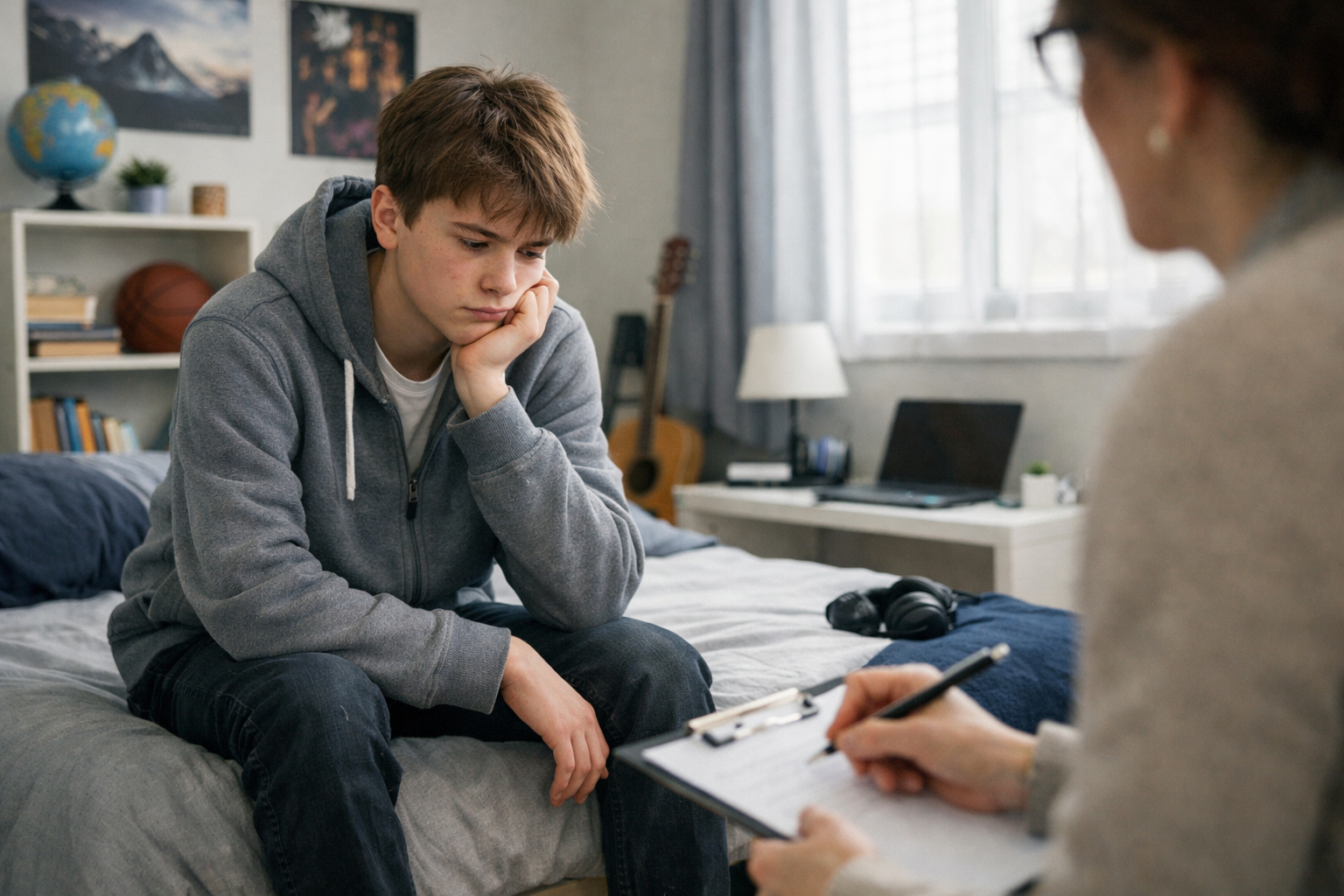
If you notice risky actions, act quickly. Remove immediate hazards when safe to do so and arrange an urgent assessment with a medical or mental health professional.
Physical and cognitive signs to monitor
Depression can show up as physical complaints and thinking problems. Teens may report ongoing headaches, stomach pain, or general fatigue that medical checks do not fully explain. They can also struggle with concentration, decision making, and remembering tasks.
- Chronic tiredness or slowed movements despite adequate rest
- Unexplained aches and pains that interfere with school or activities
- Difficulty focusing, frequent forgetfulness, or slowed thinking
Document changes in sleep, energy, and school functioning. This information is useful for your teen’s clinician when evaluating symptoms and planning care.
Changes in sleep and appetite
Sleep and appetite shifts are common and important signs and symptoms of depression in teens. Some teens sleep much more than usual. Others struggle to fall asleep or stay asleep. Appetite may increase or decrease, leading to weight gain or loss.
Note timing and degree of these changes and whether they affect daytime functioning. Small short term changes are less worrying than persistent disturbances that last weeks and impair daily life.
Recognizing severe indicators and next steps
Certain signs require immediate action. Expressing thoughts about death, talking about wanting to die, making a plan, or giving away prized items are serious indicators. Self harm that leaves lasting damage is also a medical emergency.
If you believe your teen is in immediate danger, stay with them, remove access to sharp objects, medications, or firearms if possible, and call emergency services. Use direct, calm questions like, “Are you thinking about hurting yourself?” Asking directly does not increase the risk of self harm and opens space for help.
After immediate safety is secured, arrange a prompt evaluation by a primary care provider, pediatrician, or mental health specialist.
Spotting signs and symptoms of depression in teens takes attention, patience, and timely action. Collect observations, keep conversations open, and seek professional evaluation early when symptoms persist or intensify.
Recognizing Sleep And Appetite Changes
Changes in sleep and appetite are common signs and symptoms of depression in teens, but they can be easy to miss. Some teens sleep excessively and still feel exhausted. Others struggle with falling asleep, waking often, or staying asleep. Appetite can increase or decrease, and weight change may follow. Watch how these shifts affect daytime mood, energy, and schoolwork rather than focusing only on numbers on a scale.
Keep a brief log of sleep times, meal patterns, and daytime alertness for two weeks. This record helps you spot persistent patterns and gives clinicians useful information during an evaluation. If sleep loss or overeating is linked with low mood, withdrawal, or drops in grades, consider this a stronger signal that professional assessment is needed.
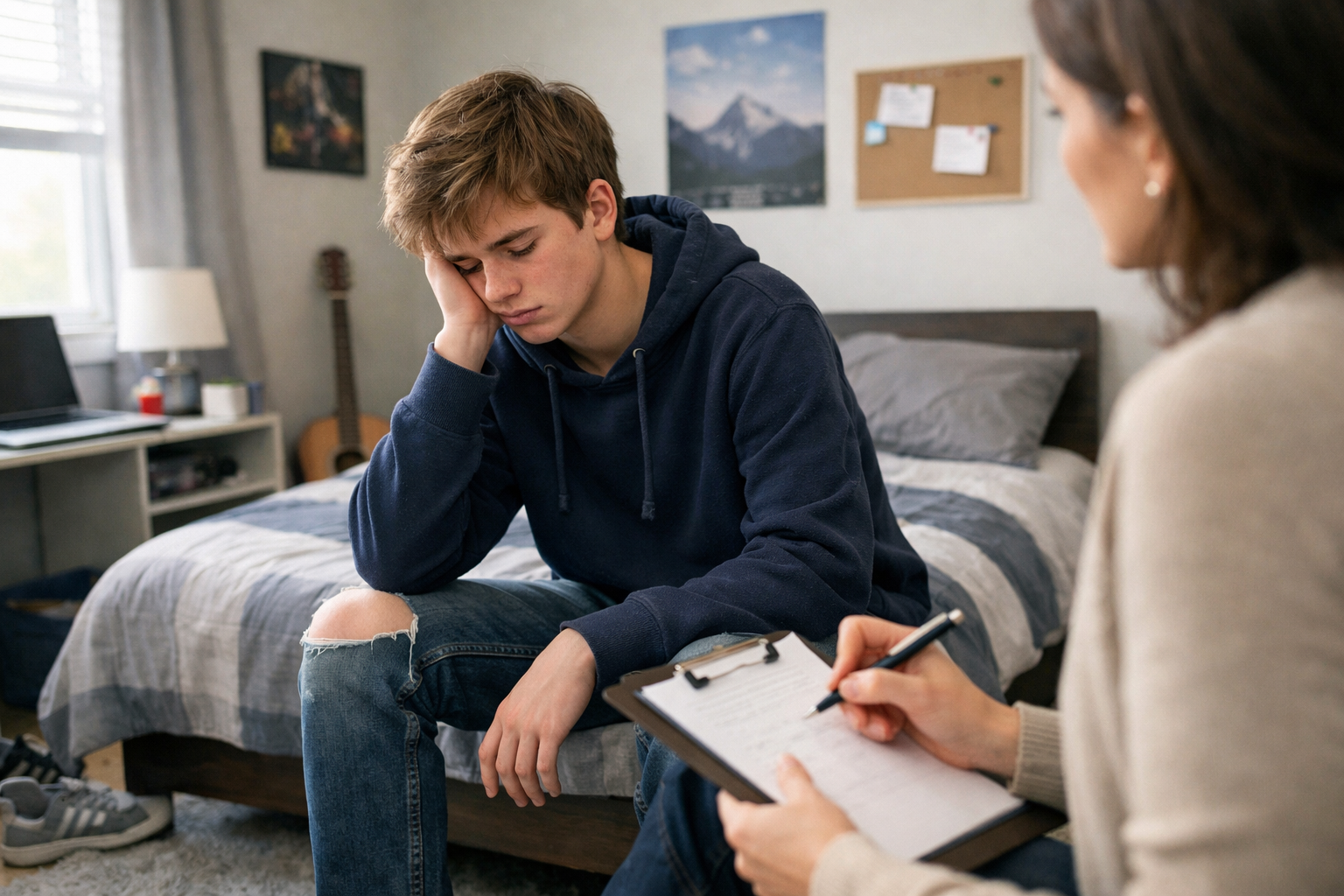
When To Seek Immediate Or Early Help
Not every low mood requires urgent action. However, certain changes mean you should act quickly. Seek immediate help if your teen:
- Talks about wanting to die, has a specific plan, or shows sudden calm after a period of deep distress
- Begins self harming or has a recent attempt
- Engages in dangerous risk taking tied to mood, like reckless driving or heavy substance use
For nonemergency but concerning signs and symptoms of depression in teens—such as persistent irritability, marked withdrawal, or a clear decline in school performance—make an appointment with your teen’s pediatrician, a school counselor, or a mental health clinician within a few days. Early outpatient assessment allows for therapy options, safety planning, and medication consideration when appropriate.
How To Differentiate Teen Moodiness From Clinical Depression
Teens have strong emotions by nature. To tell the difference between normal teenage behavior and depression, look for three key features:
- Duration: Symptoms lasting most days for two weeks or longer
- Clustering: Multiple signs occurring together, for example low energy plus social withdrawal and concentration problems
- Functional impact: Evidence that symptoms interfere with school, friendships, or self-care
If one or more of these are present, the pattern fits common clinical descriptions of depression and deserves professional review.
Signs To Watch For In Teenage Boys
Depression in teenage boys may show differently than in girls. Boys often present with increased irritability, anger, or acting out rather than obvious sadness. Look for:
- Sudden drops in academic performance or motivation
- More frequent risk taking or substance use
- Social pulling away or increased secrecy
These behaviors can mask underlying low mood. If you notice patterns, frame conversations around change and concern rather than blame.
Practical Steps Parents Can Take Now
When you suspect signs and symptoms of depression in teens, small, consistent actions help.
- Open a calm conversation using observations, not accusations
- Limit access to dangerous items and remove immediate hazards when safe
- Schedule a primary care visit or a meeting with a school counselor for an initial screen
- Explore therapy programs or family counseling and discuss options together
Spotting and responding to the signs and symptoms of depression in teens requires attention, timely action, and steady support. You do not have to manage this alone. Reach out to a clinician, school resource, or a trusted mental health provider to begin a plan that keeps your teen safe and supported.
Take the Cenario Quiz and get a personalized, science-backed recommendation in under 3 minutes.
Frequently Asked Questions
What are the first signs of depression in teens?
The first signs often include persistent irritability, social withdrawal, changes in sleep or appetite, and declining school performance. These signs and symptoms of depression in teens usually appear together and last most days for at least two weeks.
How can I differentiate between normal teen behavior and depression?
Look for duration, clustering, and functional impact. Normal mood swings are short lived. If several signs and symptoms of depression in teens persist for two weeks or more and interfere with daily life, seek a professional evaluation.
When should I seek professional help for my teen?
Contact a provider promptly when symptoms persist, worsen, or affect school or safety. Seek immediate help if your teen expresses suicidal thoughts, has a plan, or engages in self harm. Early assessment can guide effective care for signs and symptoms of depression in teens.
Are there specific signs of depression in teenage boys?
Yes. Boys may show more irritability, anger, risk taking, or academic decline rather than overt sadness. These behaviors can be signs and symptoms of depression in teens and should prompt careful discussion and evaluation.