

What Is Acupuncture?
In today’s fast-paced world, more and more people are struggling to get quality sleep. If you’re a patient with insomnia, you probably know how exhausting and frustrating it can be to lie awake at night. Insomnia affects not only your energy but also your mood, memory, and overall health.
While there are medications and therapies that aim to treat insomnia, many people are turning to natural treatments like acupuncture. Rooted in Traditional Chinese Medicine (TCM), acupuncture has been used for thousands of years to address various health concerns — and sleep disorders are no exception.
In this blog, we’ll explore the effects of acupuncture on insomnia, what a typical acupuncture session looks like, and how it compares to conventional treatments like medication or sham acupuncture. Let’s dive into how acupuncture can improve sleep quality, increase total sleep time, and reduce insomnia symptoms naturally.
What Is Acupuncture?
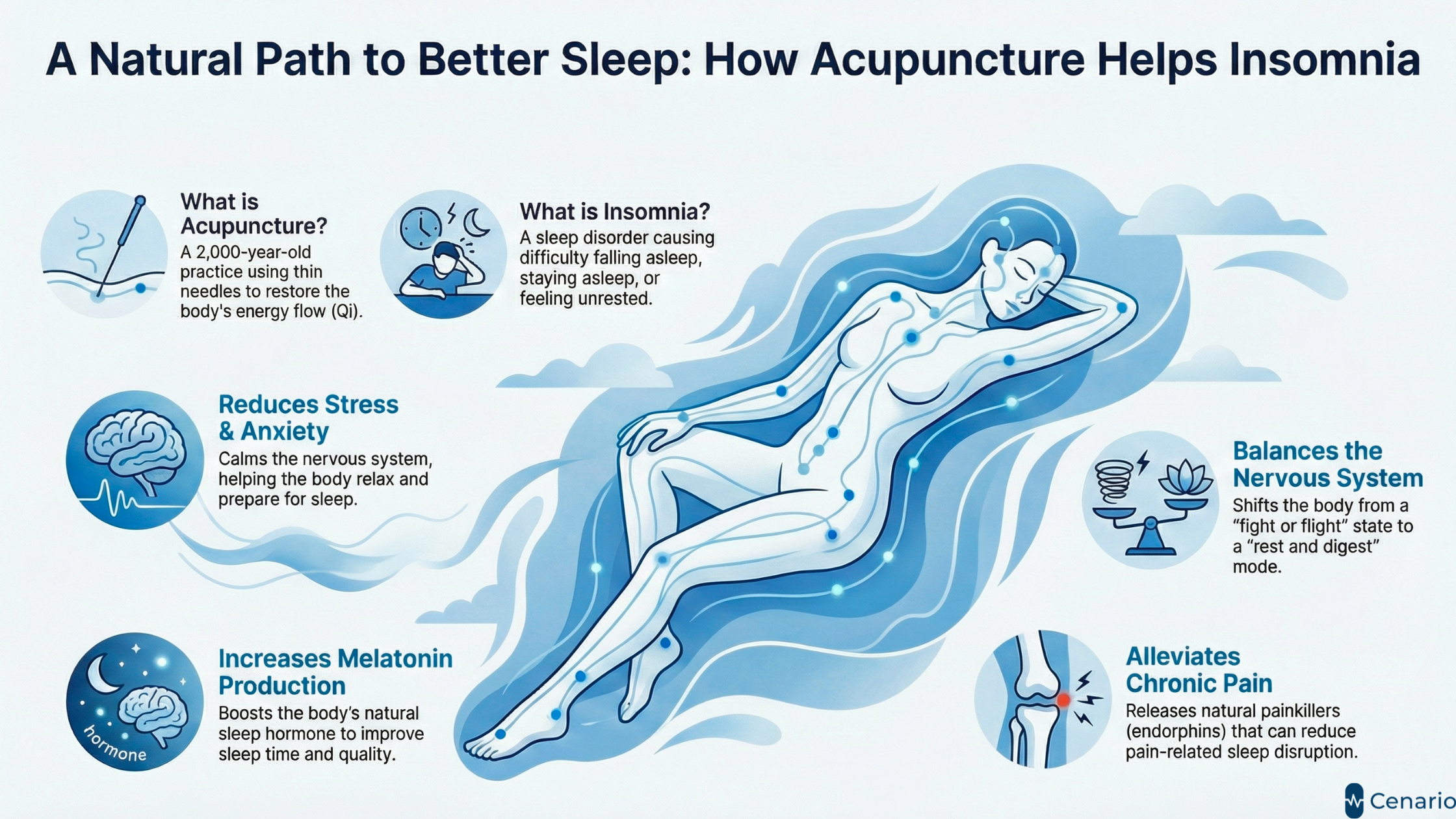
Acupuncture is a form of Traditional Chinese Medicine (TCM) that’s been used for over 2,000 years. It involves inserting very thin, sterile needles into specific points on the body, called acupoints, to promote healing and restore balance.
In Chinese medicine, the body’s energy called “qi” (pronounced “chee”) flows through pathways known as meridians. If the flow of qi is blocked or out of balance, it can lead to health problems like stress, pain, or sleep disorders. Acupuncture is believed to remove these blockages, allowing energy to flow freely and the body to function properly.
What Is Insomnia?
Insomnia is a common sleep disorder that makes it hard for people to get enough restful sleep. It can involve:
- Trouble falling asleep
- Waking up frequently during the night
- Waking up too early
- Feeling tired or unrested even after a full night in bed
Types of Insomnia
Acute Insomnia (Short-Term):
Usually lasts for a few days or weeks and is often triggered by stress, anxiety, travel, or life changes.
Chronic Insomnia (Long-Term):
Lasts for three months or more, often linked to medical conditions, mental health issues (like anxiety or depression), or long-standing lifestyle habits.
Poor sleep doesn’t just leave you tired, it can affect your mood, memory, focus, and immune system. That’s why finding a safe and effective treatment is so important.
How Acupuncture Helps With Insomnia
Acupuncture is gaining attention as an effective way to treat insomnia naturally. Here’s how it may help:
1. Reduces Stress and Anxiety
Acupuncture lowers the body’s cortisol levels, the stress hormone helping to calm your nervous system. Less stress means your body is more likely to relax and fall asleep.
2. Increases Melatonin Production
Melatonin is a hormone your body produces to control your sleep cycle. Some studies show acupuncture helps raise melatonin levels, improving total sleep time and sleep quality.
3. Balances the Nervous System
By supporting the autonomic nervous system, acupuncture helps shift your body from “fight or flight” mode to “rest and digest,” promoting better relaxation and sleep.
4. Reduces Chronic Pain
Pain can keep you up at night. Acupuncture releases endorphins, the body’s natural painkillers, reducing discomfort from issues like arthritis, back pain, or migraines.
5. Improves Overall Sleep Quality
People often report falling asleep faster, waking up less during the night, and feeling more refreshed after acupuncture treatments, especially when compared with sham acupuncture.
Acupuncture Points Commonly Used for Sleep Disorders
Acupuncture focuses on very specific parts of the body. For sleep problems, practitioners usually use a combination of points that help relax the mind, calm anxiety, and balance internal systems.
Here are some commonly used points for insomnia:
- HT7 (Heart 7 / Shenmen): Calms the mind, reduces anxiety, and supports emotional balance.
- SP6 (Spleen 6): Helps regulate hormones and supports restful sleep.
- GV20 (Du 20 / Baihui): Located on the top of the head, used to relieve overthinking and mental stress.
- Anmian (“Peaceful Sleep”): A special point behind the ear, commonly used for improving sleep.
The combination and number of points used will depend on your personal health history, sleep patterns, and the root cause of your insomnia.
What to Expect During an Acupuncture Session
If you’ve never tried acupuncture, here’s what usually happens:
1. Initial Consultation
Your acupuncturist will ask about your sleep, stress levels, health conditions, and lifestyle. This helps them design a personalized treatment plan.
2. Needle Insertion
You’ll lie down while the practitioner gently inserts very thin needles into specific points. Most people feel little to no pain, just a light tingling or warmth.
3. Relaxation Time
You’ll rest quietly for 20–30 minutes with the needles in place. Many people find this deeply calming and even fall asleep during the session.
4. After the Session
You may feel relaxed, sleepy, or energized. Some people notice better sleep that night, while others see gradual improvement over a few weeks.
Lifestyle Factors That May Affect the Success of Acupuncture
While acupuncture is powerful on its own, its effectiveness is greatly enhanced when combined with healthy lifestyle choices. Here are a few habits that can make a big difference:
- Stick to a consistent sleep schedule, even on weekends
- Avoid caffeine, alcohol, and heavy meals in the evening
- Turn off screens (phones, TVs, computers) at least an hour before bed
- Keep your bedroom dark, quiet, and cool
- Try relaxation activities before bed like reading, meditation, or mindfulness
These changes support your body’s natural rhythms and make it easier for acupuncture to do its job.
Who Should Avoid Acupuncture?
Although acupuncture is safe for most people, there are a few cases where caution is needed. You should speak to your doctor before starting acupuncture if you:
- Have a bleeding disorder or take blood thinners
- Have a pacemaker, especially if electro-acupuncture is used
- Are pregnant, some acupuncture points should be avoided
- Have metal allergies or skin infections
- Have a history of seizures or other neurological issues
Always choose a certified professional who will review your medical history and adjust your treatment accordingly.
How to Choose the Right Acupuncturist for Insomnia
Not all acupuncturists are the same. Choosing the right one is key to getting the best results, especially for a condition like insomnia. Here’s what to look for:
- Licensing and Certification – Look for credentials from the NCCAOM or a recognized national board.
- Experience with Sleep Disorders – Ask if they’ve successfully treated insomnia in the past.
- Clean, professional clinic – Make sure they use disposable, sterile needles and follow hygiene standards.
- Personalized Treatment Plans – A good acupuncturist will tailor your sessions to your specific sleep issues and health history.
Don’t hesitate to ask questions during your first visit, you deserve to feel safe and informed.
Is Acupuncture Safe?
Yes, when performed by a trained and licensed professional, acupuncture is very safe. Most people experience little to no side effects. Some might have mild bruising or slight soreness at the needle sites.
Always make sure to see a certified acupuncturist, and let them know about any health conditions or medications you’re taking before your session.
Who Should Try Acupuncture for Insomnia?
Acupuncture may be a great option if you:
- Have trouble sleeping due to stress or anxiety
- Want a natural, drug-free treatment
- Haven’t had success with other sleep aids or medications
- Are looking for a holistic approach to better health
It can also be used alongside other methods like Cognitive Behavioral Therapy for Insomnia (CBT-I), meditation, or nutritional support.
Tips to Improve Sleep Alongside Acupuncture
For the best results, acupuncture should be part of a healthy sleep routine. Here are a few simple practices to help:
- Go to bed and wake up at the same time every day
- Avoid screens and bright lights before bed
- Limit stimulants like caffeine and nicotine
- Keep your sleeping space calm, dark, and clutter-free
- Use calming techniques like stretching, journaling, or soft music
These changes work hand-in-hand with acupuncture to help reset your internal clock.
internal sleep clock.
Final Thoughts: Is Acupuncture Worth It for Insomnia?
Acupuncture offers a natural, evidence-based alternative for people looking to improve sleep quality, reduce stress, and rebalance their bodies without relying on medication. The effects of acupuncture on insomnia are supported by growing research, showing real improvements in sleep efficiency, total sleep time, and overall wellness.
Whether you’re just starting your journey toward better sleep or exploring new options, acupuncture could be the gentle, effective solution you’ve been searching for.
Consult your healthcare provider and talk to a certified acupuncturist to find out if this treatment is right for you.
Ready to Sleep Better?
Explore the world of acupuncture and give your body the restful nights it craves. You might just wake up feeling more alive than you have in years.
Take the Cenario Quiz
Want a more tailored approach to your sleep needs?
Take our quick cenario quiz to get personalized supplement recommendations designed to match your sleep patterns, stress levels, and lifestyle.
Frequently Asked Questions
How many acupuncture sessions are needed for insomnia?
The number of sessions depends on how long and how severe your insomnia is. Some people notice improvement after 2–3 sessions, especially if their sleep issues are stress-related. However, most people with ongoing or chronic insomnia benefit from 6 to 12 sessions over several weeks. Your acupuncturist will create a personalized treatment plan based on your symptoms, lifestyle, and overall health.
Is acupuncture better than sleeping pills?
Sleeping pills may provide quick relief, but they often come with side effects such as grogginess, dependency, or reduced sleep quality over time. Acupuncture offers a natural, drug-free approach that focuses on treating the root causes of insomnia, such as stress, anxiety, or pain. Research shows acupuncture can improve sleep time and sleep efficiency, especially when compared with sham acupuncture, making it a strong long-term option for many people.
Does acupuncture hurt?
Acupuncture is usually not painful. The needles are extremely thin — much thinner than those used for injections. Most people feel little to nothing, though some experience a mild tingling, warmth, or pressure. Many patients find acupuncture deeply relaxing and even fall asleep during the session.
Can acupuncture help with other sleep problems besides insomnia?
Yes. Acupuncture may also help with restless leg syndrome, jet lag, nighttime anxiety, and some sleep-related breathing issues. By calming the nervous system and supporting the body’s natural sleep rhythm, acupuncture can improve overall sleep quality, not just insomnia symptoms.
Are there any side effects of acupuncture?
Acupuncture is generally very safe when performed by a licensed and certified practitioner. Mild side effects such as slight bruising, temporary fatigue, or light-headedness may occur, but serious complications are rare. Choosing a qualified acupuncturist greatly reduces any risks and ensures safe, effective treatment.