

Sleep Hygiene Checklist for Deeper, Healthier Sleep
Getting enough quality sleep at night is essential—not just for feeling rested, but for your overall health. Yet, so many people struggle with falling asleep, staying asleep, or waking up feeling refreshed. The good news? It might just be your sleep hygiene that needs a tune-up.
What Is Sleep Hygiene and Why Does It Matter?
Sleep hygiene refers to the set of habits, routines, and environmental factors that help determine the quality of your sleep. Just like maintaining personal hygiene keeps your body healthy, practicing good sleep hygiene ensures your brain and body get the rest they need.
Poor sleep hygiene can lead to trouble falling asleep, frequent nighttime awakenings, and grogginess in the morning. Over time, inadequate sleep affects your mood, mental clarity, immune system, metabolism, and increases the risk of chronic issues like anxiety, depression, diabetes, and cardiovascular disease.
The key to better sleep? Making intentional choices throughout your day that promote deeper, more consistent sleep at night.
What Are the Signs of Poor Sleep Hygiene?
If you’re consistently struggling with falling asleep, waking up throughout the night, or feeling exhausted during the day, your sleep hygiene habits might be the root cause. Poor sleep hygiene often develops gradually and can go unnoticed—until it starts taking a toll on your health and well-being.
Common Signs Include:
1. Trouble Falling Asleep
- You lie in bed tossing and turning for more than 30 minutes.
- Your mind won’t stop racing with thoughts, worries, or to-dos.
- You rely on screens, alcohol, or sleeping pills to force yourself to sleep.
2. Frequent Nighttime Awakenings
- You wake up multiple times during the night and struggle to fall back asleep.
- Light, noise, or uncomfortable temperatures wake you easily.
3. Inconsistent Sleep Schedule
- Your bedtime and wake-up time vary daily.
- You sleep in on weekends to “catch up” on lost rest.
- You often feel groggy or “jet-lagged” without leaving home.
4. Daytime Sleepiness or Brain Fog
- Even after 7–9 hours of sleep, you feel tired or unrefreshed.
- You rely on caffeine to stay awake and focus.
- You feel mentally slow or spaced out during the day.
5. Long or Late Naps
- You nap for more than 30 minutes or late in the afternoon.
- You use naps to make up for poor sleep at night, which can make falling asleep harder later.
6. Overuse of Screens Before Bed
- You spend time on your phone, TV, or computer right before bed.
- You fall asleep with the TV on or scroll until you’re exhausted.
- You rarely disconnect and allow your mind to wind down.
7. Nighttime Anxiety or Restlessness
- You feel most mentally active at night.
- Your thoughts spiral when trying to sleep.
- You wake up with worry or dread in the middle of the night.
If these signs sound familiar, don’t worry—change is possible. The checklist below will help you rewire your habits for better, more restorative sleep at night.
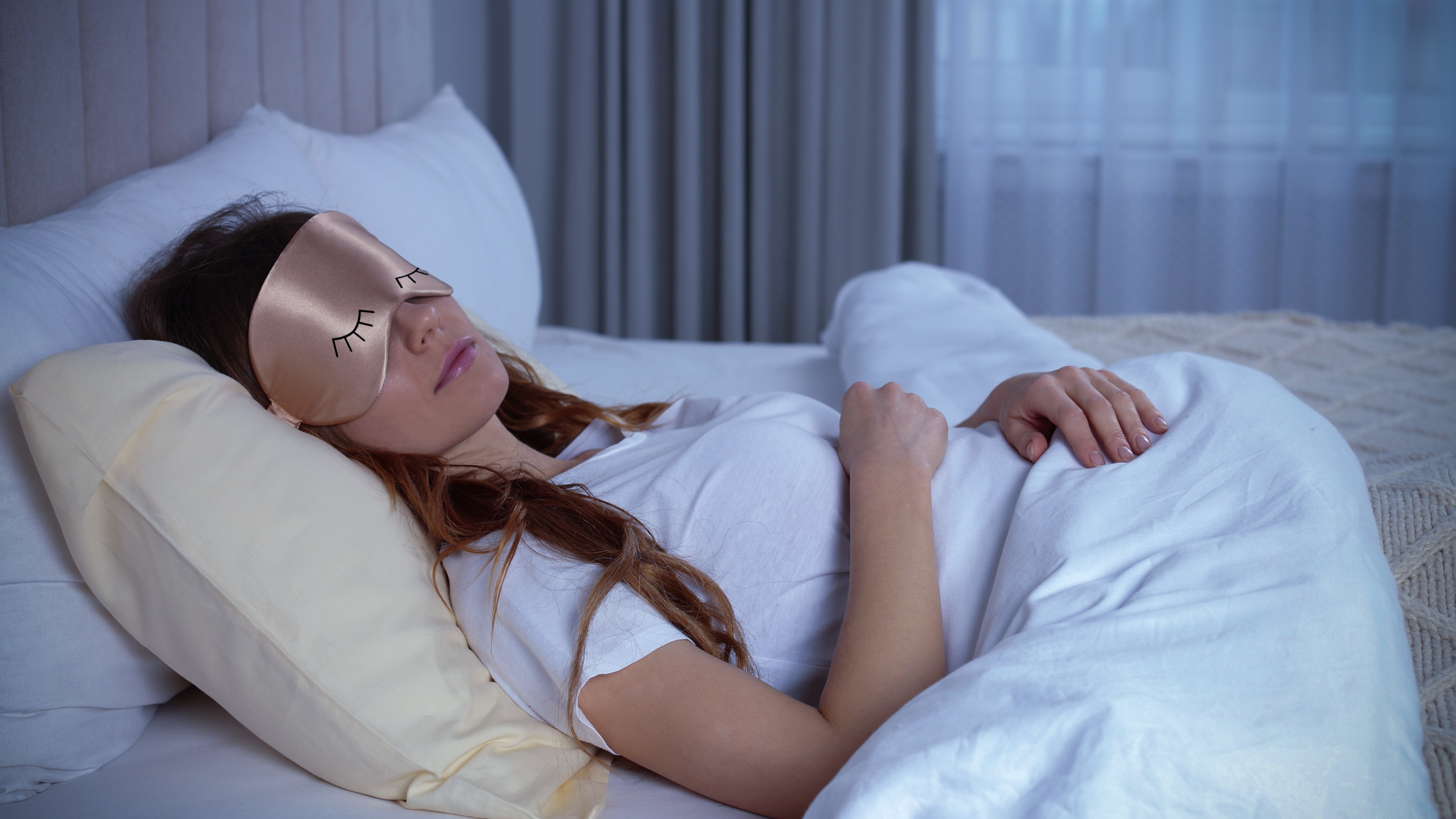
Your Ultimate Sleep Hygiene Checklist
Use this detailed checklist daily to build better sleep habits and optimize your bedtime routine. These science-backed tips are designed to help you fall asleep faster, stay asleep longer, and wake up feeling refreshed.
1. Stick to a Consistent Sleep Schedule
Going to bed and waking up at the same time every day—including weekends—helps regulate your internal body clock, known as the circadian rhythm. This rhythm tells your body when it’s time to sleep and when to wake up.
Why it works:
- Consistency reinforces your natural sleep-wake cycle.
- Reduces the time it takes to fall asleep each night.
- Helps you wake up without needing an alarm.
Pro tip:
Avoid sleeping in more than an hour past your usual wake-up time—even on weekends. This keeps your body clock in sync and supports easier falling asleep on Sunday night.
2. Establish a Relaxing Bedtime Routine
Creating a calming pre-sleep ritual helps signal to your brain that it’s time to wind down. This routine should begin 60 to 90 minutes before bed.
Try:
- Dimming the lights to boost melatonin production.
- Reading a book (preferably fiction or light material).
- Journaling to process thoughts and relieve stress.
- Gentle yoga or light stretching.
Avoid:
- Stimulating conversations or arguments.
- Work emails, problem-solving, or social media.
- Anything that raises your heart rate or stress levels.
This routine helps lower your cortisol levels and shifts your body into a restful state, making falling asleep easier and more natural.
3. Minimize Screen Time Before Bed
Exposure to screens before bed—especially phones, tablets, or TVs—emits blue light that suppresses melatonin production, the hormone responsible for sleep.
How to fix it:
- Turn off electronics 30–60 minutes before bed.
- If you must use screens, turn on night mode or blue light filters.
- Consider blue light-blocking glasses in the evening.
The less digital stimulation you have before bed, the more your body can prepare for deep sleep at night.
4. Avoid Stimulants in the Evening
Caffeine, alcohol, and nicotine all interfere with sleep quality.
Caffeine:
- Avoid it at least 6–8 hours before bedtime.
- Found in coffee, tea, soda, chocolate, and even some medications.
Alcohol:
May make you drowsy but disrupts REM sleep and leads to early waking.
Nicotine:
A stimulant that increases alertness and delays falling asleep.
Instead, try calming herbal teas like chamomile, valerian root, or lemon balm.
5. Watch What and When You Eat
Heavy meals or spicy foods close to bedtime can cause indigestion and interfere with sleep at night.
Ideal bedtime snacks:
- Bananas (rich in magnesium and potassium).
- Oatmeal or whole grain toast.
- Greek yogurt with honey.
Stay hydrated, but:
- Reduce fluids in the last 1–2 hours before bed to avoid waking for bathroom trips.
6. Make Your Bedroom a Sleep-Only Zone
Your sleeping environment plays a major role in how quickly you can fall asleep and how deeply you stay asleep.
Optimize your sleep space:
- Keep the room cool (60–67°F / 15–19°C).
- Use blackout curtains to block outside light.
- Try a white noise machine, fan, or earplugs to eliminate noise.
- Use soft, breathable bedding.
- Only use the bed for sleep at night and intimacy—this helps your brain associate it with relaxation.
7. Calm Your Mind Before Bed
Mental clutter can be one of the biggest barriers to falling asleep.
Effective techniques:
- Meditation: Use guided apps like Headspace or Calm.
- Deep breathing: Try 4-7-8 breathing to slow your heart rate.
- Progressive muscle relaxation: Tense and relax each muscle group slowly.
- Gratitude journaling: Write down three things you’re thankful for.
Calming your mind reduces racing thoughts and makes it easier to transition into restful sleep at night.
8. Move Your Body Daily
Regular physical activity promotes better sleep—but timing matters.
Guidelines:
- Aim for at least 30 minutes of moderate exercise most days.
- Morning or early afternoon workouts are ideal.
- Avoid high-intensity workouts in the 2–3 hours before bed.
Exercise helps regulate your circadian rhythm and enhances the quality of your sleep at night.
9. Get Natural Light in the Morning
Exposure to sunlight first thing in the morning helps reset your body’s internal clock.
Best practices:
- Step outside within 30–60 minutes of waking up.
- Spend at least 15–30 minutes outdoors or near a bright window.
- Open blinds and let natural light in as soon as you get up.
This strengthens your sleep-wake cycle, making falling asleep easier at night.
10. Be Mindful of Napping
While short naps can be helpful, long or late naps can interfere with your ability to fall asleep at night.
Nap smart:
- Limit naps to 20–30 minutes.
- Nap before 3 PM.
- Avoid napping if you’re already struggling with sleep at night.
Bonus Tips to Improve Sleep Hygiene
- Keep a sleep diary to identify patterns, stressors, and effective changes.
- Try aromatherapy: Lavender, sandalwood, and bergamot can promote relaxation.
- Don’t force it: If you’re lying awake for more than 20–30 minutes, get up and do a quiet activity (like reading) until you feel sleepy again.
Frequently Asked Questions
1. How long does it take to see results from improving sleep hygiene?
For many people, simple changes like keeping a consistent bedtime or reducing screen time can improve sleep within a few days. However, deeper habits—such as regulating your circadian rhythm—may take 2–4 weeks of consistent practice before you notice significant results.
2. Can poor sleep hygiene cause insomnia?
Yes. Habits like irregular sleep schedules, late-night screen use, or consuming caffeine too late in the day can disrupt your body’s natural sleep-wake cycle. Over time, these behaviors may lead to chronic difficulty falling or staying asleep, which is a common form of insomnia.
3. Do I need to follow every step on the checklist to improve sleep?
Not at all. Start small—choose one or two habits, such as creating a relaxing bedtime routine or keeping your room cool and dark. Once those become natural, add more. Consistency matters more than perfection, and even small changes can greatly improve your sleep quality over time.
Final Thoughts: Build Your Sleep Routine Gradually
Improving your sleep doesn’t mean flipping your lifestyle overnight. Begin with just one or two changes from this sleep hygiene checklist, and slowly build from there. Even small adjustments—like turning off screens earlier or winding down with a book—can have a huge impact on your ability to fall asleep and stay asleep consistently.
Ready to Upgrade Your Sleep?
Download our free ebooks
— packed with expert insights on improving your sleep naturally.
Take our quick quiz to discover personalized supplements tailored to your body and lifestyle.
— formulated to help you relax, fall asleep faster, and experience deeper, restorative sleep at night.