
In today’s fast-moving world, stress and anxiety have become part of daily life for many people. Whether it’s work pressure, financial strain, or personal challenges, the mental load can be overwhelming. As these emotional burdens grow, more individuals are turning to natural, effective ways to regain control of their mental health. One practice that stands out is guided meditation for stress and anxiety a simple yet powerful tool that helps calm the mind, regulate emotions, and restore balance.
What Is Guided Meditation?
Guided meditation is a structured form of meditation where a teacher or audio recording leads you through a series of calming techniques. These may include:
- Deep breathing
- Visualization exercises
- Muscle relaxation
- Positive affirmations
The goal is to guide your attention away from racing thoughts and bring your mind into a state of stillness. Unlike silent meditation, guided sessions provide direction, making them ideal for beginners or anyone feeling overwhelmed.
Why Guided Meditation Works for Stress and Anxiety
Guided meditation helps calm the nervous system and shift the body out of its stress response. When anxiety hits, your body enters “fight or flight” mode your heart rate increases, breathing becomes shallow, and your muscles tense. Guided meditation reverses this response by activating the parasympathetic nervous system, which promotes relaxation.
Key benefits include:
- Lower heart rate and blood pressure
- Reduced muscle tension
- Calmer thoughts and fewer racing worries
- Improved sleep and focus
- Enhanced emotional control and resilience
Over time, regular practice builds a stronger ability to manage stressful moments with clarity and calm.
Understanding the Health Impact of Stress and Anxiety
Stress and anxiety don’t just affect how you feel they affect how your body works. Chronic stress is linked to:
- Heart disease
- High blood pressure
- Weakened immune function
- Digestive problems
- Hormonal imbalance
Anxiety can also lead to or worsen mental health conditions such as:
- Depression
- Insomnia
- Panic disorders
- Burnout
This is why managing stress and anxiety proactively is essential not only for mental wellness but also for long-term physical health. Guided meditation offers a proactive, drug-free solution.
What Science Says About Guided Meditation
Guided meditation isn’t just a wellness trend it’s backed by research.
A systematic review published by the PMC found that 72% of meditation studies reported significant reductions in anxiety symptoms. The average clinical effect size was moderate, with a standardized mean difference (SMD) of -0.52, meaning participants felt noticeably better.
Mindfulness meditation programs such as MBSR (Mindfulness-Based Stress Reduction) have shown results similar to antidepressants in people with mild to moderate anxiety. But unlike medication, meditation doesn’t cause side effects.
Other findings include:
- Decreased cortisol (stress hormone) levels
- Reduced brain activity in areas linked to fear and worry
- Improved sleep quality and emotional regulation
Popular Guided Meditations on YouTube
You don’t need to visit a studio or pay for an app to get started. YouTube offers thousands of free guided meditation videos. Here are a few highly-rated options:
- The Mindful Movement (20-minute session)
- Focuses on deep relaxation and self-compassion. Ideal for daily stress relief.
- Goodful (10-minute meditation for anxiety)
- Emphasizes mindful breathing and emotional grounding. Great for beginners or during work breaks.
- Jason Stephenson (Evening anxiety relief)
- Combines visualization with calming metaphors. Perfect for winding down before bed.
These videos are widely accessible and offer various techniques, lengths, and styles, so you can find what works best for your schedule and mental state.
Common Themes in Guided Meditations
While guided meditations vary, several techniques are consistently used because of their effectiveness:
- Breath awareness: Focused breathing slows the heart rate and quiets the mind.
- Body scans: Help you reconnect with physical sensations and release tension.
- Visualization: Guides you to imagine peaceful places or calming scenes.
- Letting go of perfection: Reframes anxiety as a natural emotion rather than something to fear.
- Gratitude and self-compassion: Encourage a positive mindset and emotional reset.
These themes help normalize stress, reduce shame, and offer a safe space to mentally reset.
Trends and Gaps in Existing Content
Despite growing interest, there are areas where content could be improved:
1. Lack of personalization
Most meditations are generic. Few adapt to specific anxiety triggers like social stress, health anxiety, or insomnia.
2. Limited discussion of long-term effects
Many resources focus on immediate relief but ignore how guided meditation builds emotional resilience over time.
3. Minimal integration with therapy
There’s little guidance on how to combine meditation with cognitive-behavioral therapy (CBT), talk therapy, or journaling for even better results.
4. Cultural inclusivity
Much of the content assumes a Western approach. More cultural diversity in meditation styles would make content more inclusive.
How to Get the Most Out of Guided Meditation
Consistency matters more than perfection. Here’s how to build a strong habit:
- Start small: Even 5 minutes a day can make a difference.
- Be realistic: Don’t expect to silence your mind. Just notice your thoughts without getting pulled in.
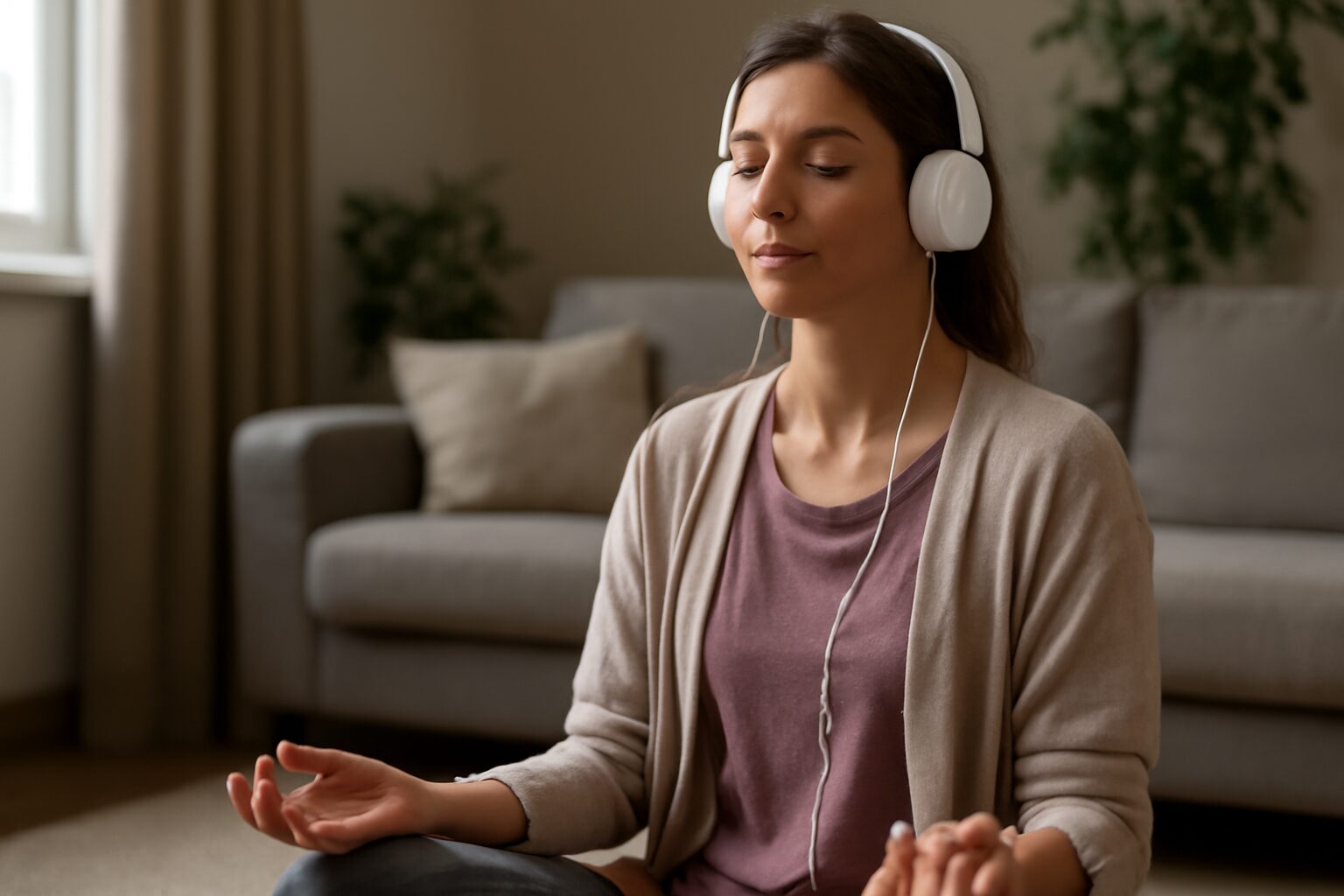
- Create a space: Find a quiet, comfortable spot. Use headphones if needed.
- Set a time: Mornings and evenings work best for most people.
- Pair it with other habits: Meditate after brushing your teeth or before bed.
You can also combine guided meditation with other activities like yoga, journaling, walking, or cold showers for stronger mental resilience.
Frequently Asked Questions
What is guided meditation and how does it help with anxiety?
Guided meditation uses voice prompts to help you relax, breathe, and stay present. It calms both your body and your mind, making it easier to manage stress and anxiety.
How often should I practice to see results?
Daily is best. Start with 5–10 minutes per day and build from there. The more consistent your practice, the more lasting the benefits.
Can I combine guided meditation with therapy or medication?
Yes. Meditation works well as a complement to therapy and medication. Always consult your healthcare provider before making changes to your treatment plan.
Is guided meditation safe for everyone?
In most cases, yes. But people with severe trauma or certain psychiatric conditions should speak to a mental health professional first to ensure it’s the right fit.
How do I choose the right guided meditation?
Try different formats visualization, breathwork, affirmations and see what resonates. Platforms like YouTube, Insight Timer, and Headspace offer variety and free trials.
Final Thoughts: A Daily Ritual for Mental Strength
Guided meditation offers more than a quick fix. With regular practice, it becomes a powerful tool for emotional resilience, improved sleep, sharper focus, and reduced anxiety.
It’s free, accessible, and easy to integrate into your day even if you’re busy.
At Cenario, we believe mental well-being is a daily practice, not a destination. That’s why we offer curated meditation resources and expert tools to support your stress-relief journey backed by science, crafted for real life.
Ready to experience the calm for yourself?
Explore our guided meditations or subscribe to our wellness newsletter to get started.
.