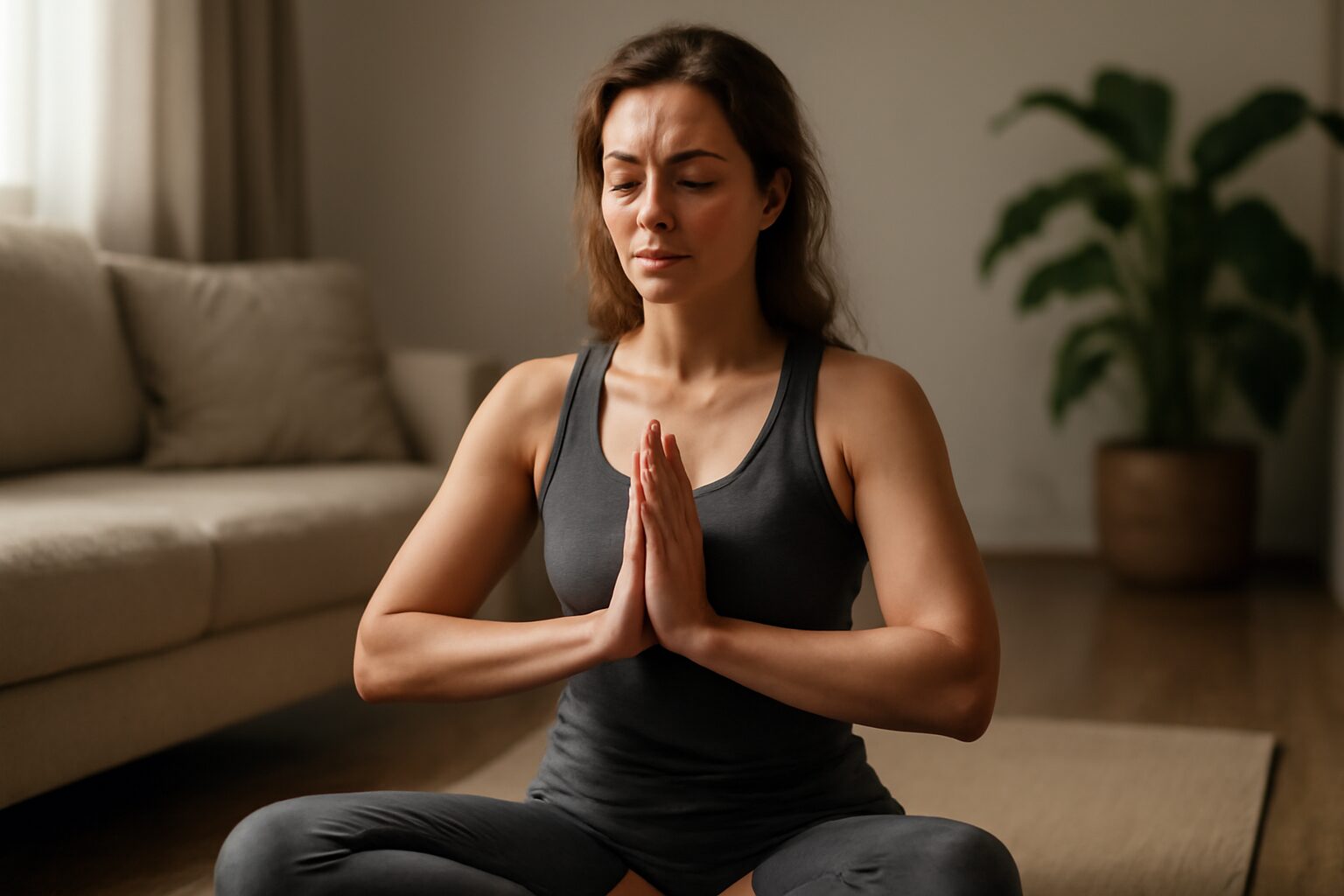

YOGA for Stress Relief
Stress is one of the most common health problems in modern life. From work deadlines and financial pressure to lack of sleep and constant digital distractions, many people feel overwhelmed on a daily basis.
High stress levels are linked to anxiety, depression, heart problems, inflammation, and weakened immunity. Managing stress is no longer optional, it is a necessity for long-term health.
One of the most effective and natural solutions is yoga for stress relief. Yoga combines movement, breath, and mindfulness to create balance in both body and mind. Backed by hundreds of scientific studies, yoga is now widely recommended by doctors, therapists, and wellness experts as a safe and accessible way to reduce stress.
Understanding the Impact of Stress
Stress show up in two main ways:
- Physiological stress: The body releases cortisol (the main stress hormone), which raises blood pressure, increases inflammation, and weakens the immune system. Over time, this can lead to headaches, digestive issues, and even chronic disease.
- Psychological stress: The mind becomes overwhelmed, leading to racing thoughts, poor sleep, irritability, depression, and anxiety.
This dual effect is why stress can feel so overwhelming. You feel it in your body and your mind at the same time. A solution needs to address both.
Why Yoga Works for Stress Relief
Yoga is not just about stretching. It is a full system that uses postures (asanas), breathwork (pranayama), and meditation to reset the nervous system.
- Asanas (poses): Release tension stored in muscles and improve circulation.
- Breathwork: Slows down the fight-or-flight response, lowers heart rate, and signals safety to the brain.
- Meditation and mindfulness: Reduce overthinking and teach the brain how to pause before reacting.
Together, these three elements create what scientists call the relaxation response—the opposite of stress.
Scientific Evidence on Yoga and Stress
Modern research shows that yoga provides both biological and psychological benefits:
- Lower cortisol: Regular yoga practice decreases cortisol levels, reducing inflammation and boosting immune health.
- Brain changes: Yoga lowers activity in the amygdala (fear center of the brain) and increases activity in the prefrontal cortex (responsible for focus and emotional control).
- Improved mental health: Studies show yoga reduces symptoms of anxiety, depression, and insomnia.
- Better resilience: People who practice yoga regularly recover faster from stressful events and report higher quality of life.
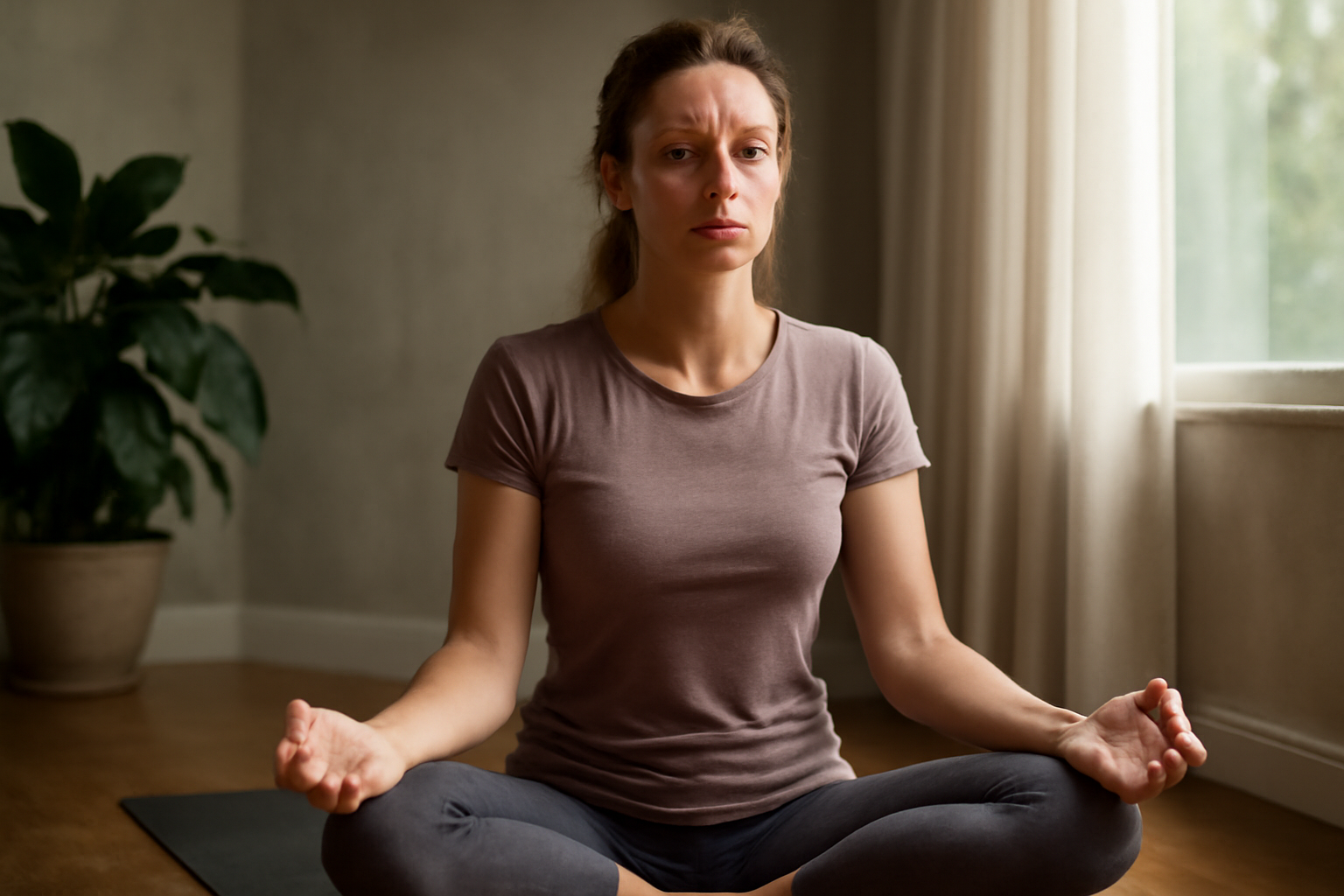
Types of Yoga for Stress Relief
Different yoga styles offer unique benefits:
- Hatha Yoga: Slow, simple postures. Great for beginners and relaxation.
- Restorative Yoga: Uses props and long holds to deeply relax the body. Best for burnout and chronic stress.
- Vinyasa Yoga: Active, flow-based practice that links movement and breath. Helpful for releasing tension through motion.
- Breath-focused techniques: Sudarshan Kriya, Bhramari pranayama, and alternate nostril breathing can calm the vagus nerve within minutes.
How to Start Yoga for Stress Relief at Home
You don’t need a studio, equipment, or years of experience. Start small:
- Set aside 10–15 minutes a day.
- Practice in a quiet space with a yoga mat or simply on the floor.
- Begin with basic poses like Child’s Pose, Cat-Cow, or Forward Fold.
- Add slow breathing: inhale for 4 counts, exhale for 6 counts.
- End with 2 minutes of stillness or meditation.
The key is consistency. A few minutes every day works better than one long session once a week.
Long-Term Benefits of Yoga for Stress
With regular practice, yoga doesn’t just calm you in the moment it retrains your body and mind to respond differently to stress. Benefits include:
- Reduced blood pressure and heart rate
- Lower levels of anxiety and depression
- Improved sleep quality
- Sharper focus and concentration
- More emotional resilience
- Stronger sense of well-being
Frequently Asked Questions
How often should I practice yoga for stress relief?
Most experts recommend at least 10–20 minutes, 3–5 times per week. Daily practice, even if short, provides the best results.
Is yoga or meditation better for stress?
Both are effective. Yoga combines movement, breath, and meditation, making it a more complete stress-relief system.
Can beginners do yoga for stress relief?
Yes. Simple poses, breathing exercises, and guided videos are perfect for beginners. No flexibility or experience required.
Which yoga poses are best for stress relief?
Child’s Pose, Legs-Up-the-Wall, Corpse Pose (Savasana), and Cat-Cow are gentle and effective for calming the body.
How long before I notice results?
Many people feel calmer after the first session. With 2–4 weeks of consistent practice, you’ll notice reduced anxiety, better sleep, and improved mood.
Can yoga replace therapy or medication for stress and anxiety?
Yoga is a powerful tool, but it should complement not replace professional treatment. If you struggle with chronic anxiety or depression, consult a healthcare provider.
Is morning or evening the best time for yoga?
Morning yoga helps set a calm tone for the day, while evening yoga is great for releasing stress and improving sleep.