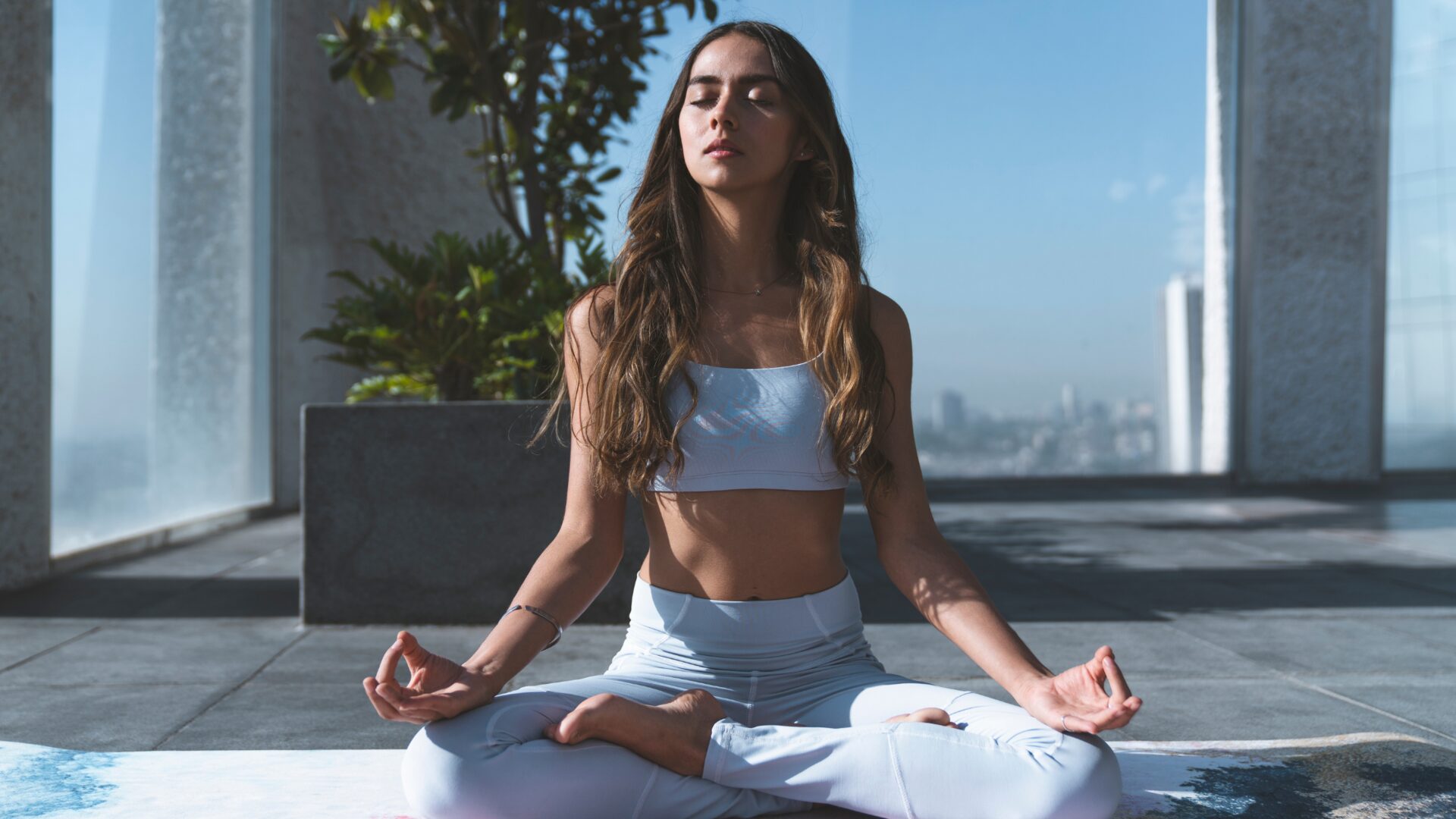

In a world where everything moves fast and stress is a common part of life, mIn a world where everything moves fast and stress is a common part of life, the practice of mindfulness has emerged as a powerful tool to restore balance and calm.
Whether you’re feeling overwhelmed, distracted, or simply looking to connect more deeply with yourself, this inner stillness technique offers a simple, accessible path forward. If you’re new to the practice, don’t worry—this guide will walk you through everything you need to know to begin your journey with ease and clarity.
What is Meditation?
At its heart, it’s a simple mental practice that helps you focus and get to know yourself better. The practice helps your mind stay in the moment, notice your thoughts, and gently bring your focus back—like to your breath or a simple word. The goal isn’t to shut off your thoughts but to better understand them while cultivating mindfulness.
There are lots of ways to practice mindfulness, but they all come down to the same thing—being present without judging yourself or getting distracted.
Benefits of Meditation
Why consider starting this habit? Even just a few quiet minutes a day can make a real difference in how you feel overall. Here are just a few ways it helps:
- Reduces stress and anxiety
- Improves attention span and focus
- Boosts emotional health
- Promotes deeper, more restful sleep
- Increases self-awareness
- May ease symptoms of depression
As little as 5–10 minutes daily can create a noticeable difference over time.
Common Misconceptions About Inner Stillness
Let’s clear up some myths that may be holding you back:
- “I have to stop thinking.” Not true. Thoughts will always come and go. The practice is about noticing them without engaging or reacting.
- “I need to sit cross-legged for hours.” You can practice while seated in a chair, lying down, or even on a walk.
- “It’s only for spiritual people.” It can be spiritual for some, but it’s also totally down-to-earth and something anyone can try.
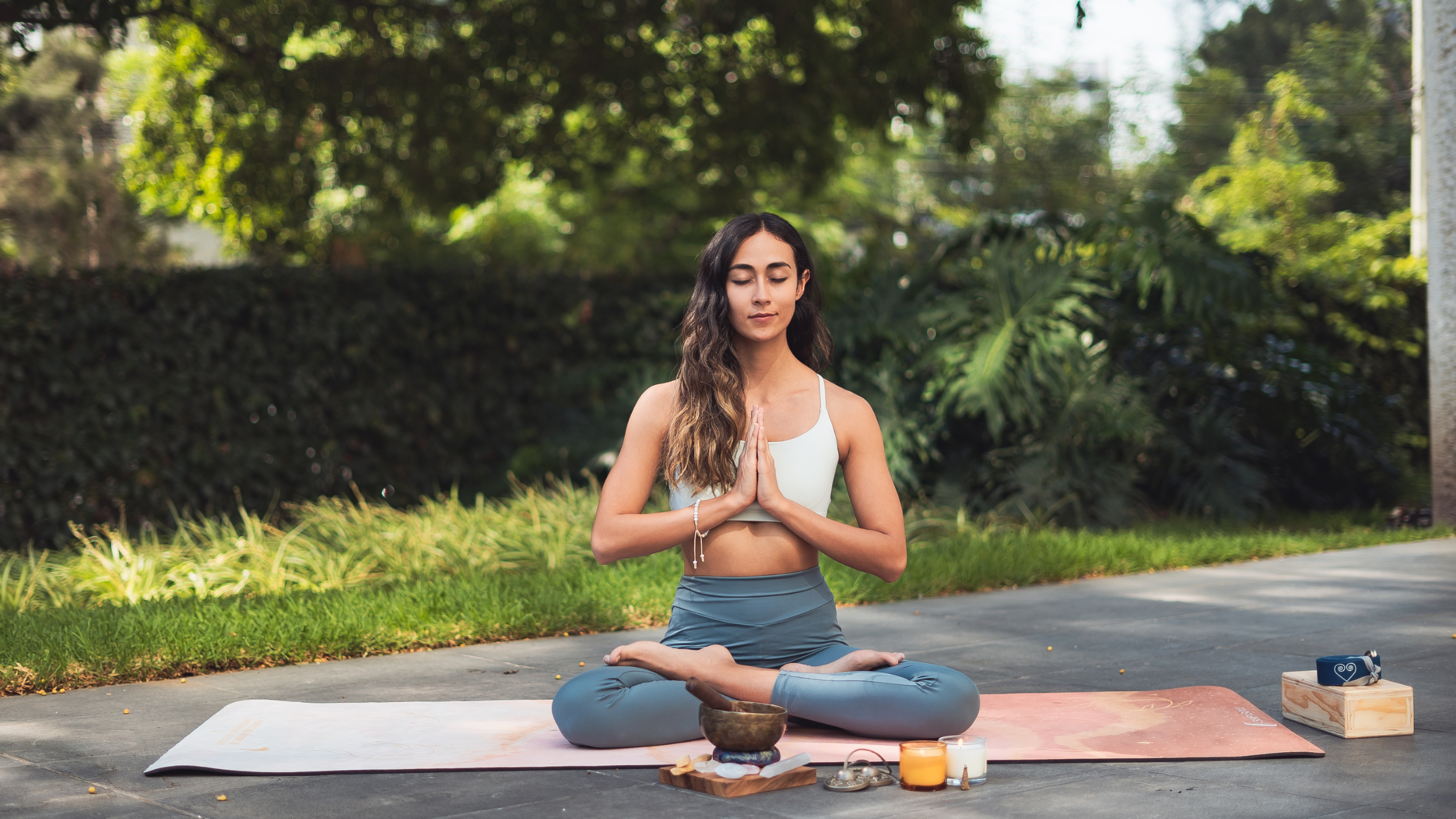
Step-by-Step Guide for Beginners
1. Find a Quiet Space
Start by choosing a calm, comfortable spot where you won’t be interrupted. It doesn’t need to be completely silent—just free from major distractions like loud noise or foot traffic. A cozy corner in your room can work perfectly.
2. Choose a Comfortable Position
Sit on a cushion, a chair, or even lie down—whatever feels most natural to you. Keep your back upright to stay alert, but make sure your body is relaxed. The key is to find a position where you feel both grounded and at ease.
3. Set a Timer (Begin with 5–10 Minutes)
Decide how long you’d like to practice, and set a gentle timer so you’re not tempted to check the clock. Five to ten minutes is ideal to begin with, and you can gradually increase the time as you feel more comfortable.
4. Focus on Your Breath
Close your eyes and bring your awareness to your breathing. Feel the air as it flows in through your nose and out through your mouth, or notice the rise and fall of your chest or belly. This becomes your anchor to the present moment.
5. Redirect Gently When the Mind Wanders
Thoughts will come—and that’s completely normal. When you catch your mind drifting, simply acknowledge it and gently bring your attention back to your breath, without judging yourself. This gentle returning is where the real practice happens.
6. Finish with Intention
When your timer goes off, don’t rush. Take a deep breath, slowly open your eyes, and ease back into your surroundings. Stretch and take a moment to appreciate the time you just gave yourself.
Tips for Building a Meditation Habit
- Start Small – A few minutes a day is plenty to begin.
- Stay Consistent – Meditate at the same time each day to build routine.
- Use Helpful Tools – Apps like Headspace, Calm, or Insight Timer are great for guidance.
- Be Kind to Yourself – There’s no right or wrong way to meditate. What matters is showing up.
- Create a Ritual – Light a candle, use essential oils, or play soft music to set the mood.
Overcoming Common Challenges When Starting Meditation
Starting a meditation practice can feel a bit awkward at first. You might wonder if you’re doing it “right,” or get discouraged if your mind keeps wandering. That’s all totally normal. Here are some of the most common hurdles beginners face—and how to gently overcome them:
➤ “I can’t sit still.”
If sitting still is hard for you, start with shorter sessions (even just 2–3 minutes) or try walking meditation. Moving mindfully can be just as powerful as sitting.
➤ “My mind won’t stop racing.”
This is probably the most common issue. Meditation isn’t about silencing your thoughts—it’s about noticing them without getting pulled in. Over time, your mind will become less reactive.
➤ “I get bored or distracted.”
You’re training your focus muscle, and like any new skill, it takes practice. Try guided meditations or mantra meditation to keep things engaging.
➤ “I’m not seeing any progress.”
Progress in meditation is often subtle. Notice small shifts—like feeling more grounded or pausing before reacting in a stressful moment. Consistency over intensity is key.
The Science Behind Meditation
Meditation isn’t just a spiritual or emotional practice—it has solid scientific backing, too. Studies using brain scans and other technology show just how much regular meditation can influence your mental and physical health.
Changes in the Brain
- Meditation helps quiet the part of your brain that’s responsible for overthinking and self-criticism.
- Sticking with it can actually strengthen parts of your brain that help you handle emotions, remember stuff, and connect better with people.
Mental Health Benefits
- Meditation can lower cortisol levels, the stress hormone.
- When done regularly, it’s been shown to help ease symptoms of anxiety, depression, and even PTSD.
Better Sleep and Focus
- Meditation helps regulate your nervous system, leading to better sleep quality.
- Practicing mindfulness can boost your focus and help you stay more present and on task throughout the day.
Morning vs. Evening Meditation: What’s Best?
There’s no right or wrong time to meditate—it depends on your goals and lifestyle. Here’s how to choose the time that suits you best:
Morning Meditation
- Helps you start your day with clarity and calm
- Sets a mindful tone for the rest of your day
- Fewer distractions if done first thing after waking
Evening Meditation
- Helps you unwind and release stress from the day
- Can improve sleep quality and ease insomnia
- Great time for reflection or gratitude-based practices
Tip: Try both and see what feels better. Even a short session at either time has benefits!
Creating Your Meditation Space at Home
Having a dedicated spot to meditate can make your practice feel more intentional. It doesn’t need to be fancy—just peaceful and inviting.
What to Include:
- A cushion or comfortable chair
- A small rug or mat to define the space
- Soft lighting or a candle
- Incense, essential oils, or a diffuser (lavender and sandalwood are great!)
- Items that bring calm—like a plant, stone, or meaningful object
Your space should feel like a safe retreat, even if it’s just a corner of your room.
Meditation and Mental Health: What You Should Know
Meditation can be a powerful complement to therapy or other mental health practices, but it’s important to be gentle with yourself—especially if you’re dealing with deeper emotional wounds.
How It Helps:
- Builds emotional resilience
- Encourages self-compassion
- Increases self-awareness, making it easier to notice unhealthy patterns
When to Be Cautious:
- If you have experienced trauma, certain practices (like body scans) might be triggering.
- If things start to feel too heavy during your practice, it might help to talk to a therapist or guide who understands trauma.
Always go at your own pace, and remember that healing is not linear.
Exploring Different Meditation Styles: Find What Works for You
There’s no single “right” way to practice mindfulness—what works best varies from person to person. If breathwork doesn’t feel like the right fit, that’s totally okay. Try out a few different styles and see what resonates with you. Here are some beginner-friendly techniques to get you started:
Body Scan
Gently shift your attention through each part of your body—from your toes to your head—noticing any tension or sensation. It’s a great way to connect with the present moment and relax.
Mantra Meditation
Repeat a calming word or phrase silently in your mind, like “peace” or “om.” This repetition helps create a steady rhythm that keeps your thoughts from wandering and can bring a deep sense of calm.
Guided Meditation
Perfect for beginners, this involves listening to a recorded voice that walks you through the practice. You can find guided sessions on apps, YouTube, or podcasts that fit your mood and goals.
Walking Meditation
Take a slow, mindful walk, paying close attention to how your feet feel with each step and how your body moves. This is a great option if sitting still isn’t your thing.
Loving-Kindness (Metta) Meditation
In this practice, you silently repeat phrases like “May I be happy” or “May you be safe,” sending kind intentions to yourself and others—even people you may find challenging. It helps foster empathy and emotional healing.
Visualization Meditation
Use your imagination to picture calming scenes—like a peaceful forest or beach—or visualize your goals. This technique is especially helpful for relaxation and motivation, and it’s great for creative minds.
Zen or Vipassana Meditation
These more traditional techniques are focused on observing your thoughts, body, and breath with calm awareness. They’re ideal if you’re looking for a more structured, disciplined approach.
Tip: There’s no need to stick with just one. Try a few and mix them up depending on your mood, energy level, or needs for the day. The best meditation style is the one that helps you feel grounded, present, and connected.
Final Thoughts
Meditation doesn’t require perfection, special gear, or hours of free time. All it takes is a little space, some quiet, and your willingness to try. Over time, it can help you feel calmer, clearer, and more grounded. Whether you want to reduce stress, sleep better, or simply find more peace in your day, this guide to Meditation for Beginners is the perfect place to start.
Just begin. Breathe. Let go.
Looking for additional support, but not sure where to start? Take our quick survey to get a personalized recommendation that fits your unique needs and lifestyle.
Frequently Asked Questions
1. How long should I meditate as a beginner?
Start with just 5 minutes a day. As you get more comfortable, you can gradually increase to 10–20 minutes. Consistency is more important than duration.
2. Do I need a quiet place to meditate?
A calm space helps, but it doesn’t have to be perfectly silent. You can meditate in your room, at your desk, or even outdoors. Using soft music, white noise, or guided meditation can also help if distractions are around.
3. What if I can’t stop my thoughts during meditation?
That’s normal! Meditation isn’t about “emptying your mind.” Instead, notice your thoughts, let them pass without judgment, and gently return your focus to your breath or mantra. Over time, your mind will naturally become calmer.