
Top Yoga Poses for Stress Relief to Calm Your Mind & Body
In today’s demanding world, stress and anxiety are increasingly common. Whether you’re overwhelmed by work, family responsibilities, or just the fast pace of life, your nervous system often bears the brunt. But here’s the good news—you don’t need a retreat or fancy equipment to find relief. With a simple yoga mat and a few minutes a day, practicing yoga at home can help lower your heart rate, regulate blood pressure, and bring about deep relaxation.
This article explores effective yoga poses for stress relief, including the soothing legs up the wall pose, calming forward bends, and grounding poses that involve sitting on the floor. Whether you’re a total beginner or a long-time yogi, these poses can help you reconnect with your breath and body.
Why Practice Yoga for Stress Relief?
Yoga combines mindful movement, controlled breathing, and body awareness. Together, these elements help lower cortisol—the stress hormone—while improving emotional resilience and physical comfort. Specific yoga poses designed to activate the parasympathetic nervous system encourage your body to relax, recover, and release tension.
When you include yoga in your daily routine, even for just 10–15 minutes, you’ll notice positive changes in your blood pressure, emotional balance, and energy levels.
How Yoga Affects the Brain and Mental Health
Yoga doesn’t just benefit the body—it has a powerful impact on the brain and emotional well-being. Studies show that practicing yoga can reduce the size of the amygdala (the brain’s fear center) and increase gray matter in areas associated with memory, emotional regulation, and compassion.
Mental health benefits of yoga include:
- Reduced stress and anxiety
- Lowered blood pressure and heart rate
- Improved mood and mental clarity
- Enhanced focus and emotional balance
When you combine breathwork, movement, and mindfulness, you create a powerful reset button for your nervous system. This is especially helpful if you’re dealing with burnout or looking for a natural way to manage mental health challenges.
7 Calming Yoga Poses for Stress Relief
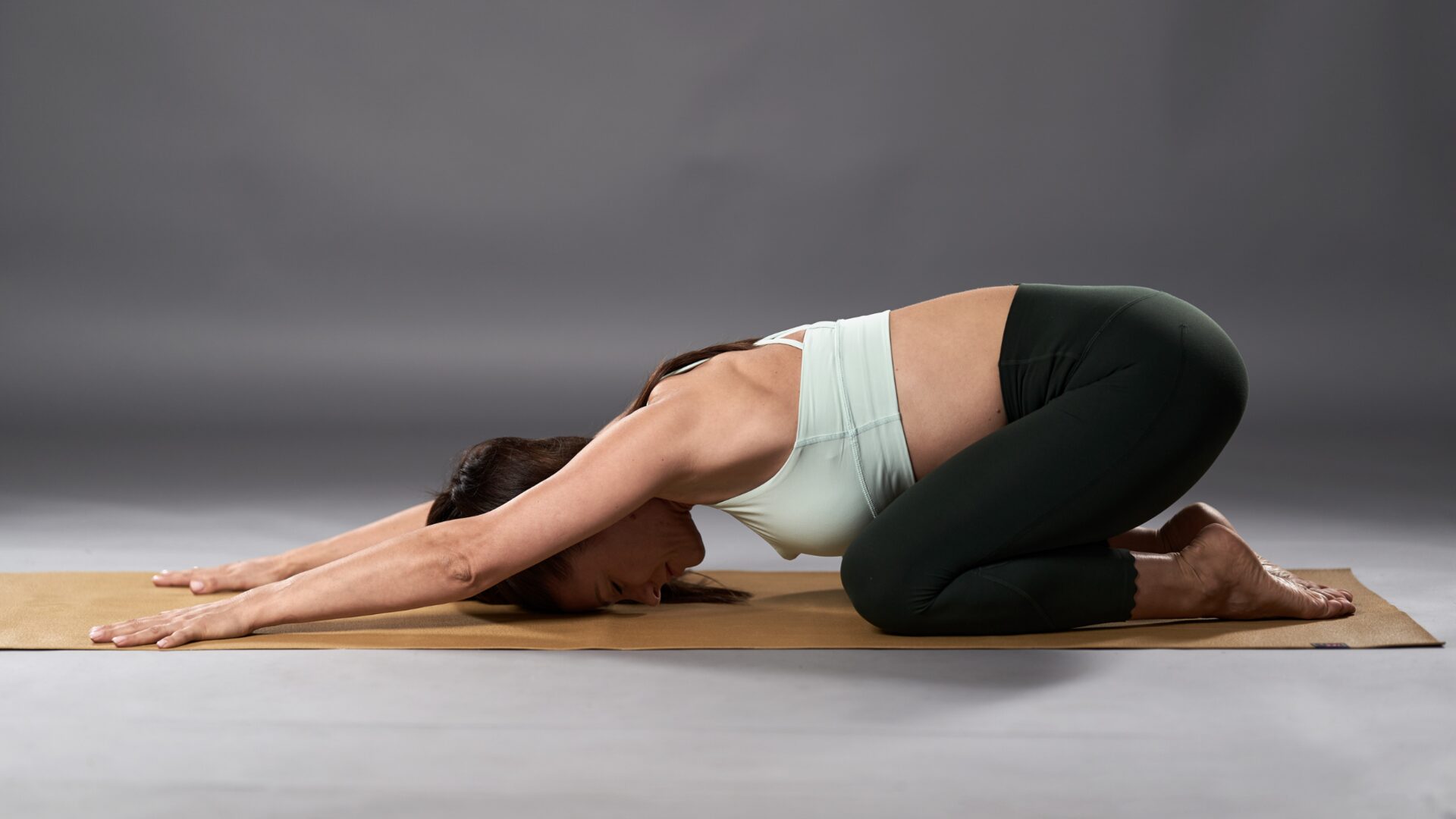
1. Child’s Pose (Balasana) – The Ultimate Baby Pose for Grounding!
One of the most accessible yoga poses, child’s pose—also called baby pose—is all about surrender and stillness. It’s perfect for when you feel mentally or emotionally overwhelmed.
How to Do It:
- Begin sitting on the floor, with your knees slightly apart and big toes touching.
- Move your hips back to rest on your heels.
- Extend your arms forward or let them rest alongside your body.
- Let your forehead touch the mat and breathe slowly.
Benefits:
- Calms the nervous system.
- Eases fatigue and lowers heart rate.
- Stretches the back and hips, ideal after long hours at a desk.
Tip: Place a folded blanket under your hips or forehead for extra comfort and support if your body feels tight.
2. Cat-Cow Pose (Marjaryasana-Bitilasana) – Spinal Flow for Mental Clarity!
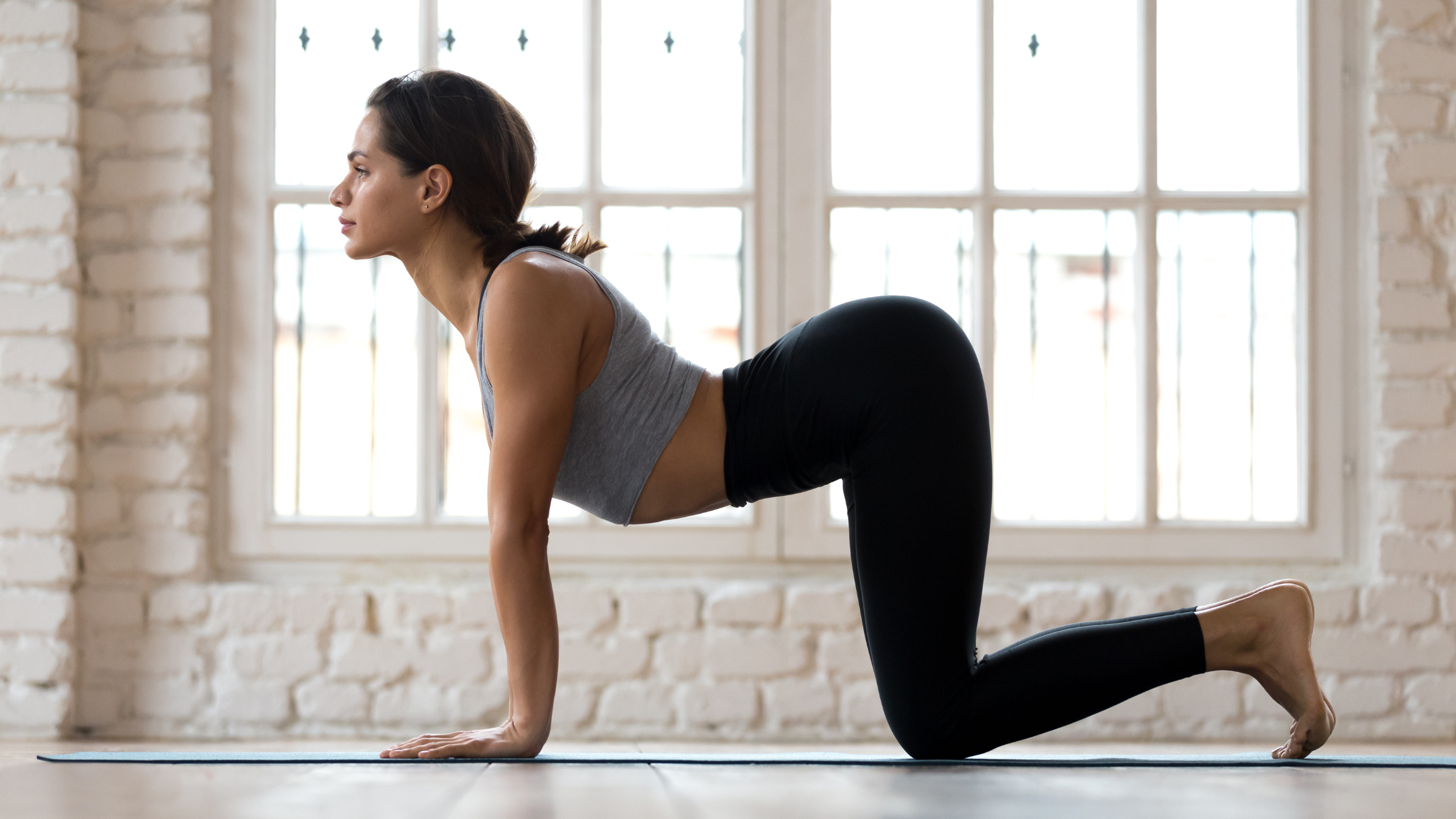
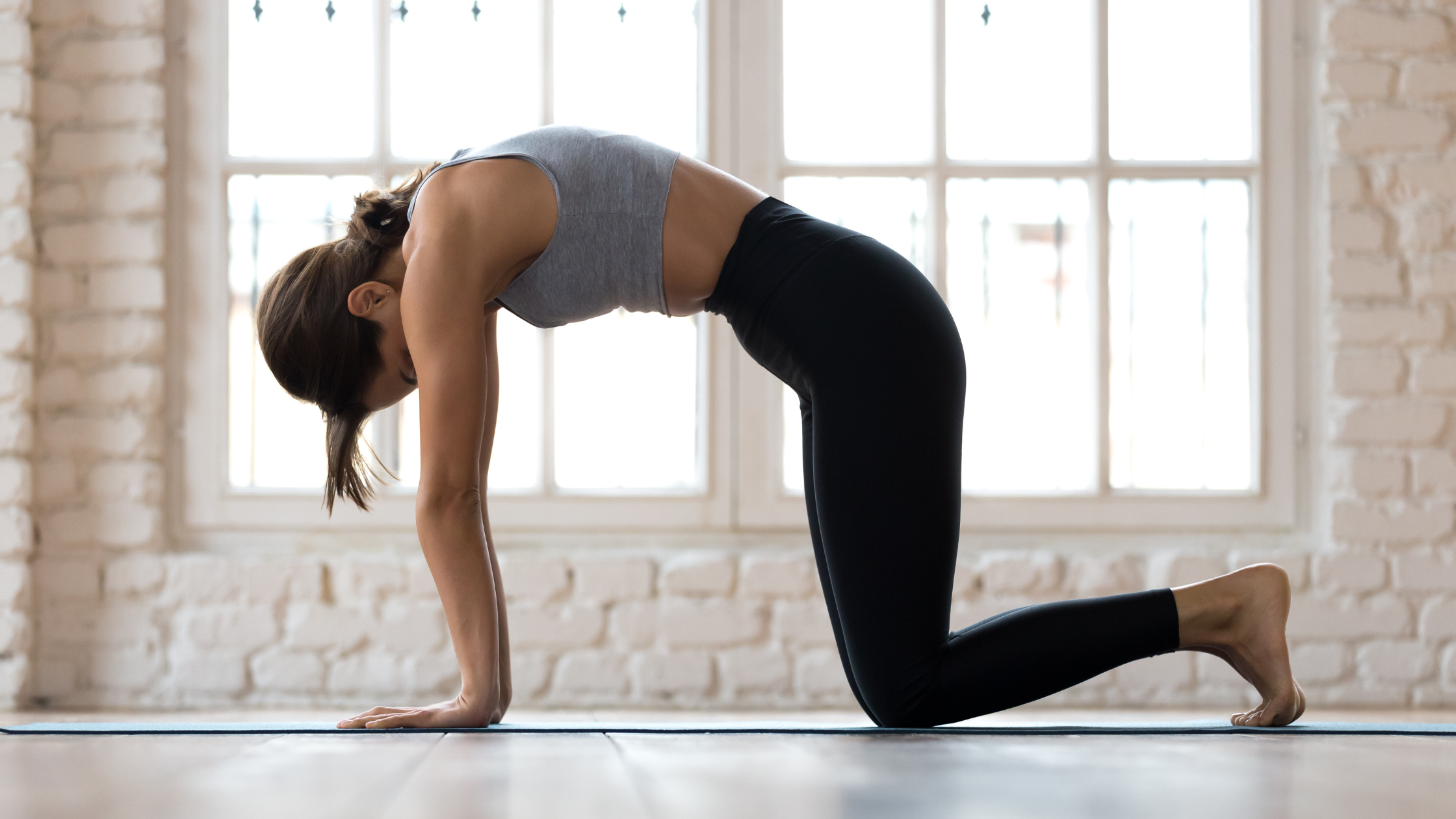
This easy, flowing movement links your breath with motion and helps release tension from your spine and mind right away.
How to Do It:
- Begin on your hands and knees in a tabletop position on your yoga mat.
- Inhale as you arch your back (Cow), lifting your tailbone and gaze.
- Exhale, rounding the spine (Cat), tucking your chin and drawing the belly in.
- Repeat for 1–2 minutes, syncing each breath with movement.
Benefits:
- Warms the spine and strengthens postural awareness.
- Encourages focused breathing for stress relief.
- Releases tension stored in the neck and shoulders.
Tip: Close your eyes during this flow to heighten your body awareness and deepen the calming effect.
3. Legs-Up-the-Wall Pose (Viparita Karani) – Passive Inversion for Resetting!
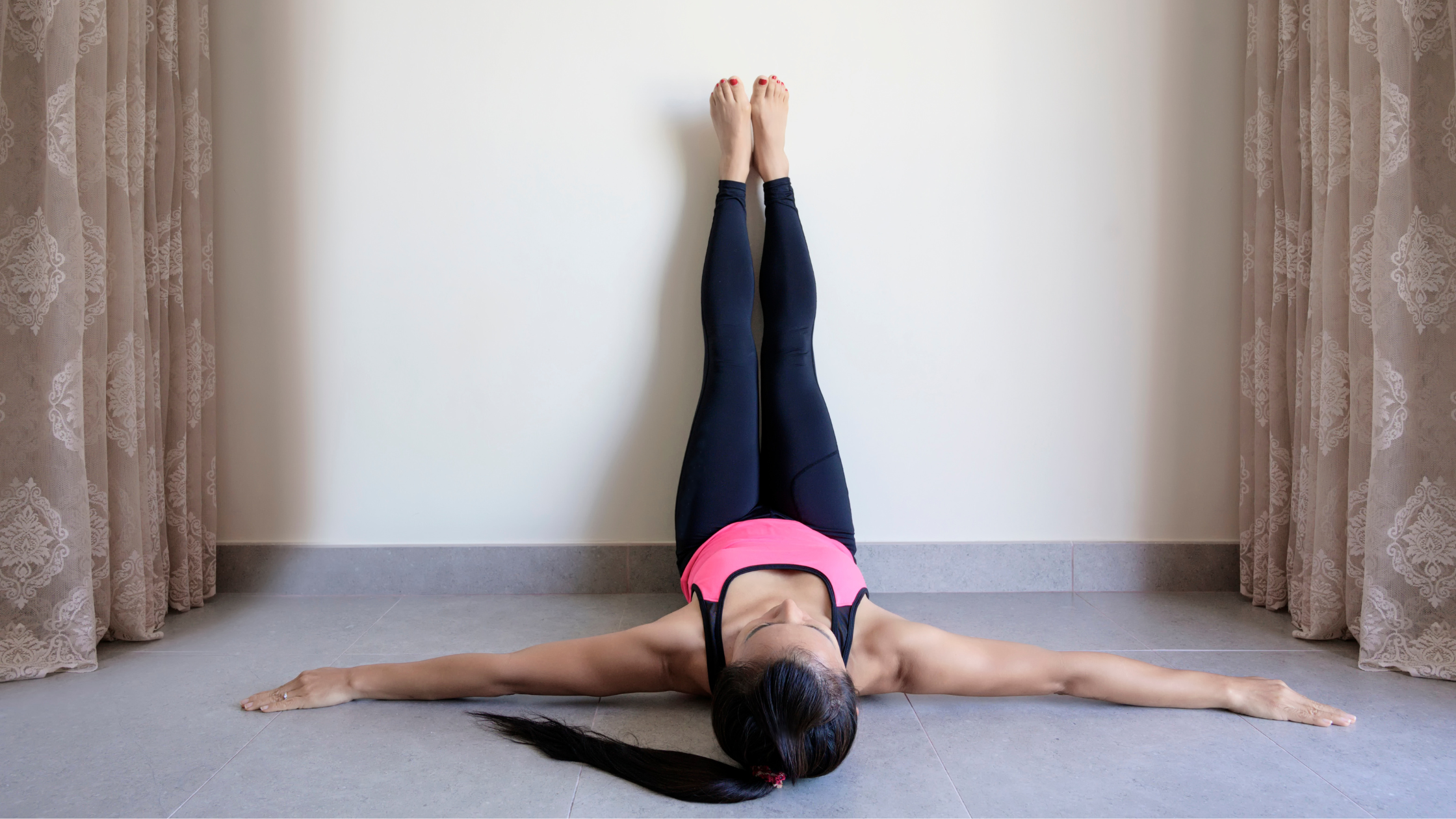
Legs up the wall pose is a simple, calming pose that helps you unwind, takes pressure off your lower body, and gives your nervous system a chance to reset.
How to Do It:
- Sit sideways against a wall, then swing your legs extended up the wall.
- Let your back and head rest gently on the floor or a folded blanket.
- Arms can rest by your sides or on your belly.
Benefits:
- Enhances circulation and venous return.
- Reduces swelling in the legs and feet.
- Calms the mind, lowers blood pressure, and improves sleep quality.
Tip: Place a bolster or pillow under your hips for extra support and a gentle tilt that aids circulation.
4. Standing Forward Bend (Uttanasana) – Letting Your Head Hang for Release
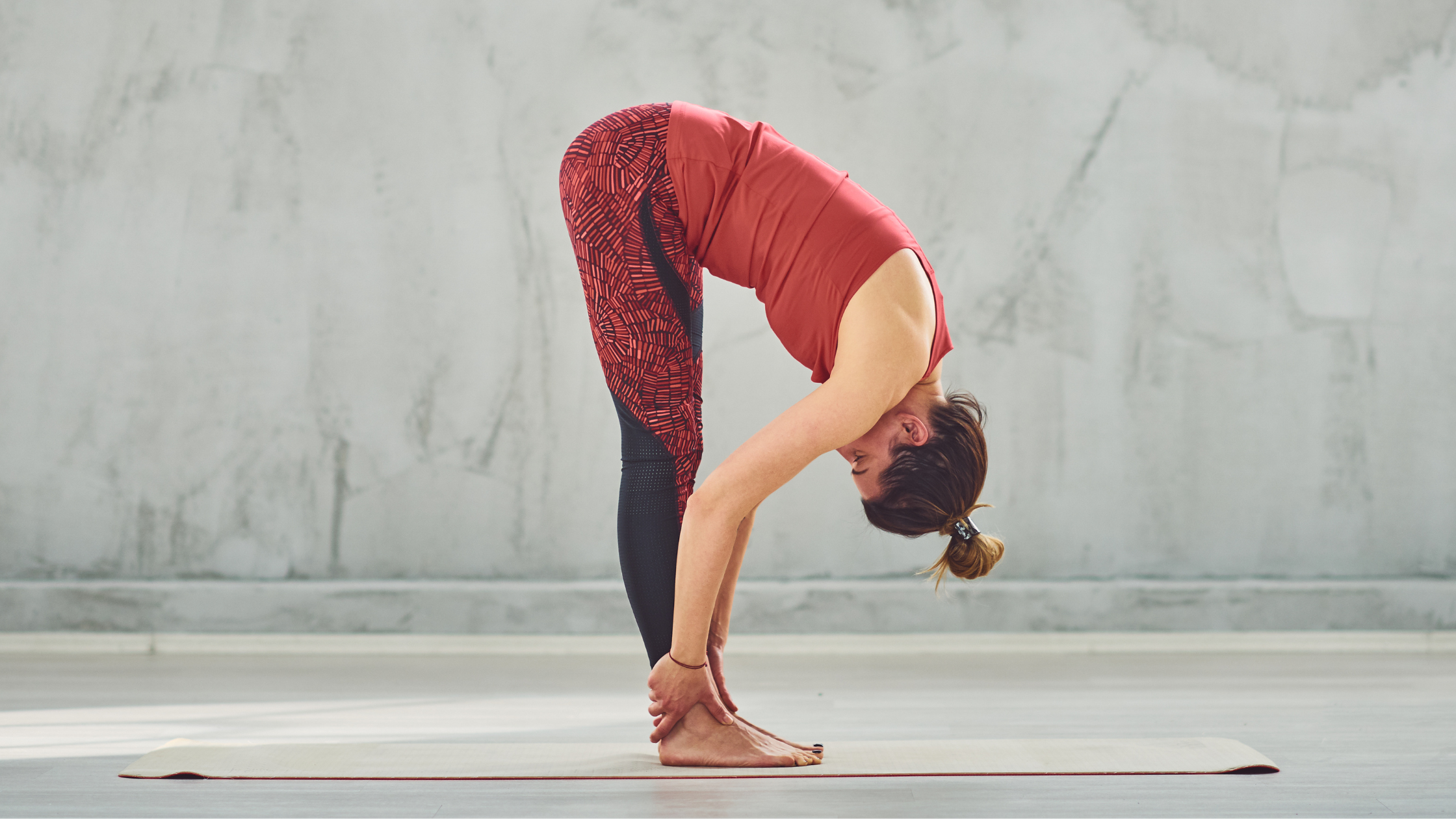
This standing pose encourages you to surrender and let go of tension—both physically and emotionally.
How to Do It:
- Stand with your feet hip-width apart.
- On an exhale, bend your knees slightly and fold forward from the hips.
- Let your head hang and hands touch the floor or grasp opposite elbows.
Benefits:
- Stimulates blood flow to the brain.
- Gently stretches hamstrings, calves, and spine.
- Helps reduce fatigue, anxiety, and mild depression.
Tip: If your hamstrings are tight, rest your hands on blocks or bend your knees more deeply for a safer, more relaxing stretch.
5. Seated Forward Bend (Paschimottanasana) – Inner Calm Through Stillness
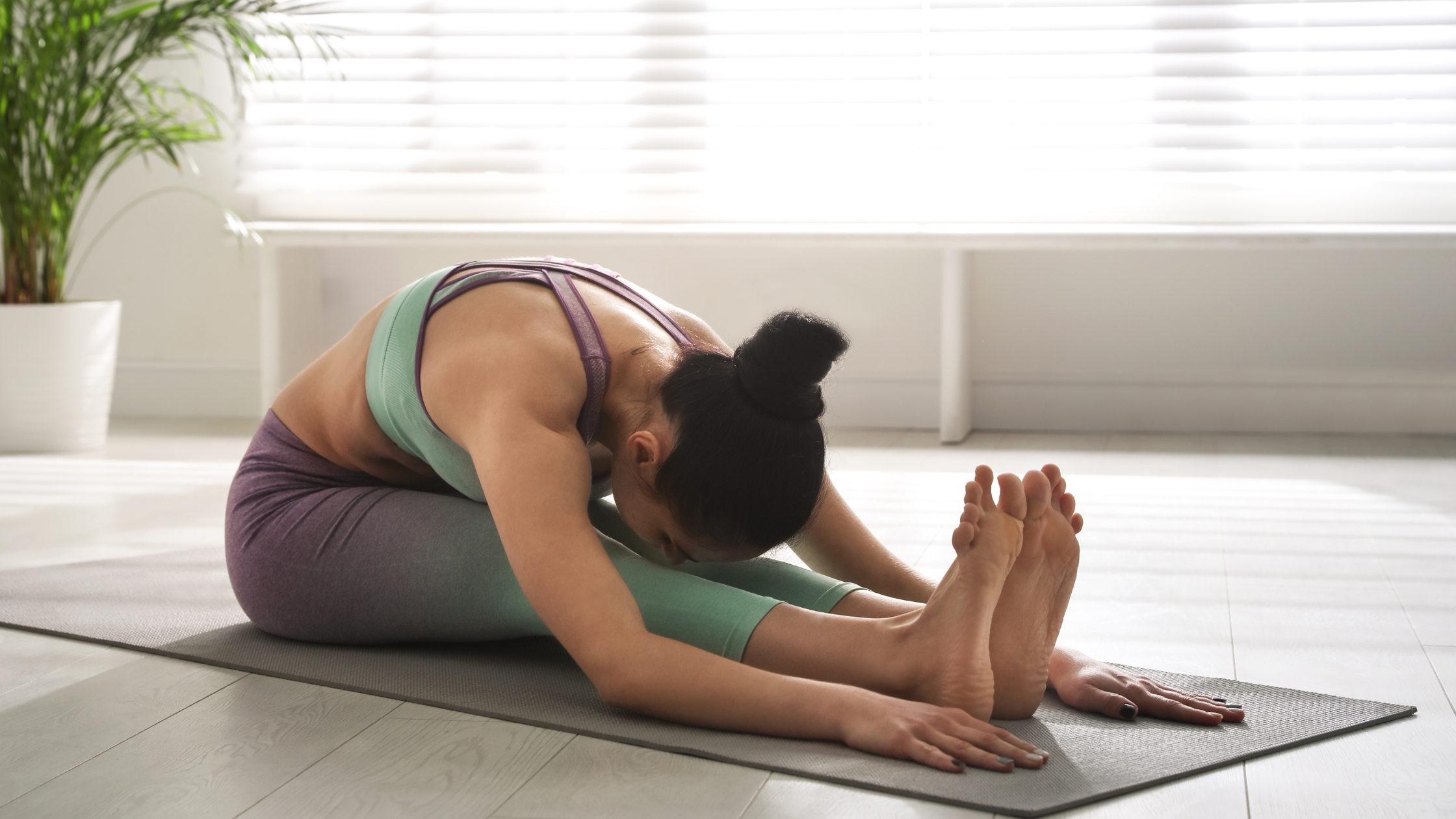
This seated pose is ideal for moments of restlessness or overthinking.
How to Do It:
- Sit with your legs extended straight in front of you.
- Inhale to lengthen the spine, and exhale to fold forward, reaching for your feet or shins.
- Keep your left leg and right leg grounded and engaged.
Benefits:
- Soothes the nervous system and enhances flexibility.
- Aids digestion and relieves headaches.
- Promotes introspection and mindfulness.
Tip: Place a rolled blanket under your knees or sit on a cushion to make the pose more accessible and comfortable.
6. Bridge Pose (Setu Bandhasana) – Heart-Opening Pose for Energizing!
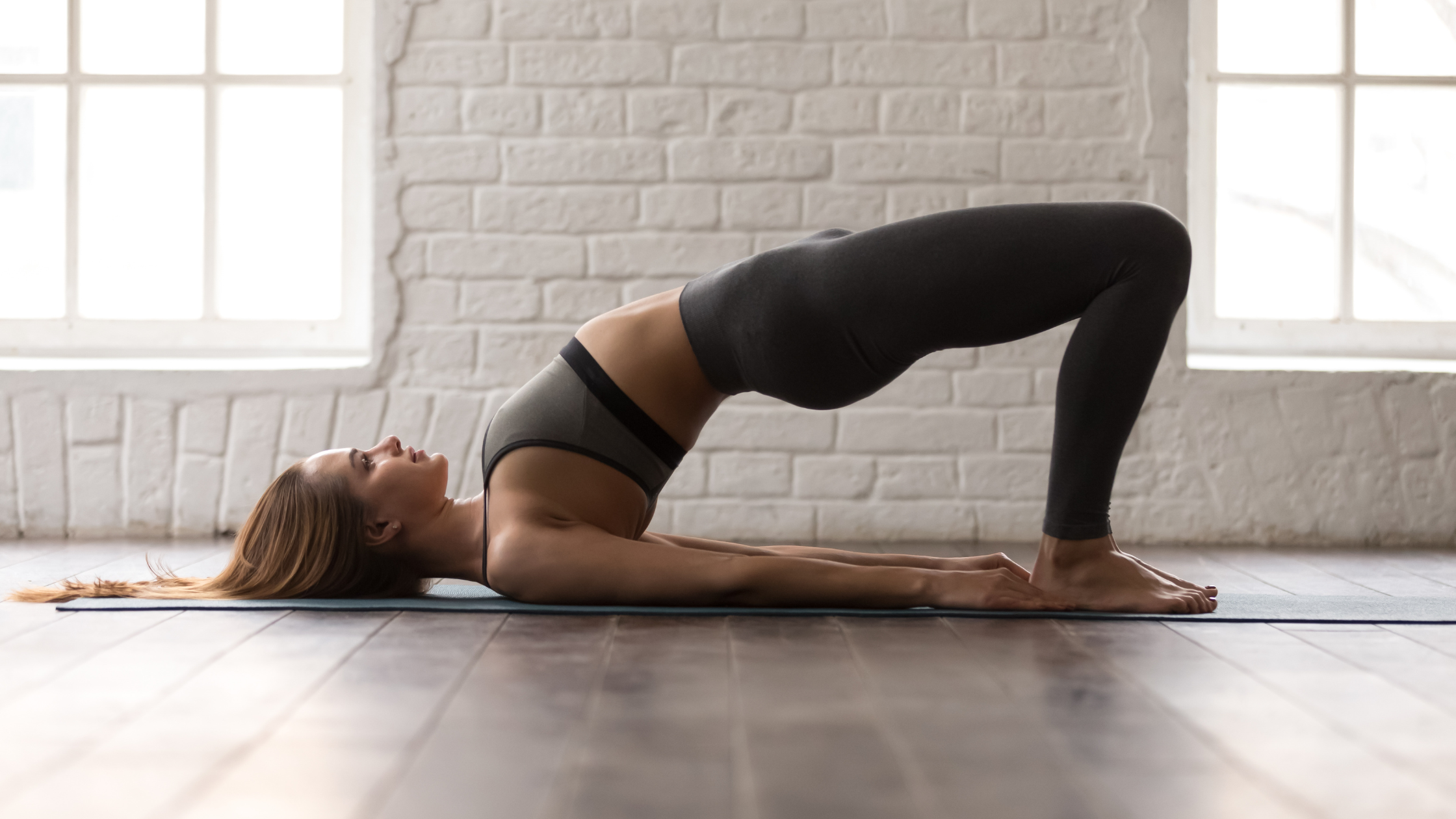
Bridge pose is both energizing and restorative, ideal for combating stress and anxiety when you’re feeling depleted.
How to Do It:
- Lie on your back, bend your knees, and place your feet flat on the mat.
- Press into your feet to lift your hips.
- You can clasp your hands under your back and roll your shoulders beneath you.
Benefits:
- Opens the chest and stimulates the thyroid.
- Helps regulate blood pressure and heart rate.
- Builds strength in the lower body while calming the mind.
Tip: Place a block under your lower back for a restorative version that you can hold longer for deep nervous system recovery.
7. Corpse Pose (Savasana) – Integration & Total Release
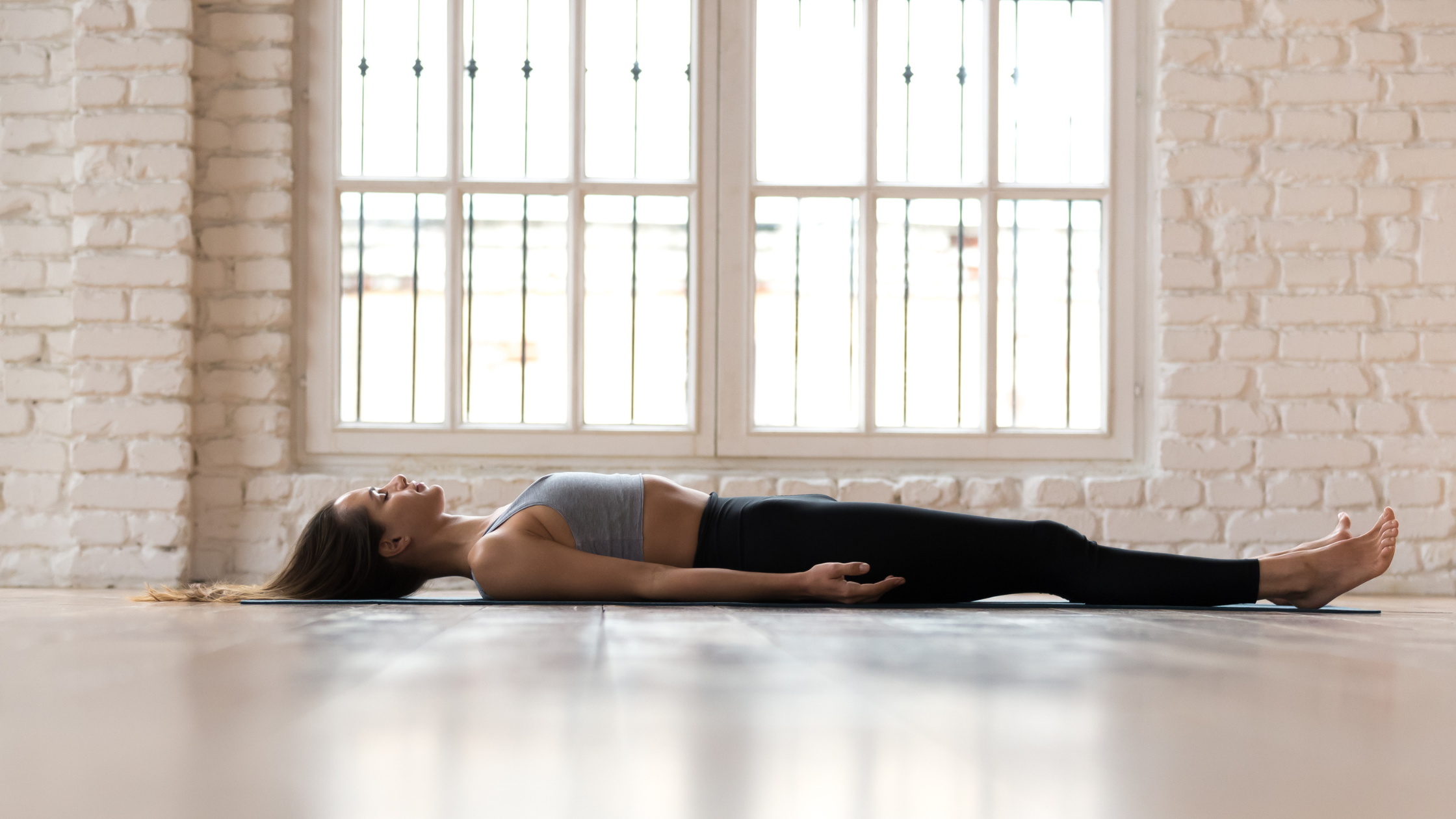
This final pose is not just lying down—it’s a full mental and physical release.
How to Do It:
- Lie flat on your back, arms and legs relaxed.
- Close your eyes and bring awareness to your breath.
- Let go of control and allow your body to melt into the floor.
Benefits:
- Activates the parasympathetic nervous system.
- Reduces anxiety and improves mental clarity.
- Deeply restorative for the entire body and mind.
Tip: Cover yourself with a light blanket and place a pillow under your knees for enhanced comfort and a deeper sense of grounding.
Beginner Tips for Practicing Yoga Safely
Welcome to yoga if you’re a beginner! Starting slow and practicing safely is key to building confidence and enjoying the journey. These tips are especially helpful if you’re working on yoga poses for stress relief.
Helpful tips for beginners:
- Use props: Cushions, blocks, or folded blankets support your joints and improve alignment, especially in forward folds or when sitting on the floor.
- Modify poses: Don’t be afraid to bend your knees in poses like standing forward bend or adjust your range in bridge pose.
- Listen to your body: Never force a stretch. Gentle discomfort is okay, but pain is a signal to stop.
- Focus on breath: If you’re holding your breath, ease out of the pose and reset. Breath should flow freely.
- Stay patient: Flexibility, balance, and calm build over time. Yoga is a lifelong practice, not a competition.
Whether it’s letting your head hang in a forward fold or supporting your left leg in a stretch, honoring your body’s limits ensures a safe and enjoyable experience.
Best Time of Day to Practice Yoga for Stress Relief
Choosing the right time for your yoga practice can enhance its stress-relieving effects. There’s no “one-size-fits-all,” but different times offer different benefits.
Morning Yoga
- Jumpstarts your metabolism and mood
- Creates intention and energy for the day ahead
- Reduces morning stiffness or tension in the back and shoulders
Morning poses: Standing forward bend, bridge pose, and gentle seated twists
Evening Yoga
- Ideal for deep relaxation and winding down from stress
- Helps release built-up tension from sitting or standing all day
- Can improve sleep and combat insomnia
Evening poses: Legs up the wall pose, child’s pose, corpse pose
Whether you choose morning or evening yoga for sleep, staying consistent is what truly brings the benefits. Build a habit that fits your lifestyle and energy levels.
Final Thoughts
Incorporating these yoga poses for stress relief into your daily routine is a gentle, powerful way to support both your mental and physical well-being. Each pose—from the grounding child’s pose to the calming legs up the wall pose—helps quiet the mind, relax the body, and ease the burden of stress and anxiety.
Remember, yoga is more than a workout—it’s a form of self-care. By setting aside just a few minutes each day, you can reset your nervous system, lower your heart rate, and bring yourself back to balance. Whether you’re sitting on the floor, letting your head hang, or simply focusing on your breath, you’re making space for healing.
Looking for additional support on your wellness journey?
Support your yoga practice with natural, science-backed solutions from Cenario. Check out our supplements designed to support your mental health, ease stress, and help you feel more balanced every day.
Take our quick quiz to get personalized supplement recommendations tailored to your unique lifestyle and needs.
Frequently Asked Questions
1. How often should I practice yoga for stress relief?
Even 10–15 minutes a day can make a big difference. Consistency matters more than long sessions. Aim for 3–5 times per week to see lasting benefits in mood, energy, and relaxation.
2. Can beginners do these yoga poses safely?
Yes! Most of the poses in this guide like child’s pose, legs up the wall, and corpse pose—are beginner-friendly. Use props such as cushions, blankets, or yoga blocks for extra support, and always listen to your body.
3. Is yoga enough to manage stress on its own?
Yoga is a powerful tool, but it works best when combined with other healthy habits like good sleep, balanced nutrition, and mindfulness practices. If stress feels overwhelming, pairing yoga with professional support or supplements may be even more effective.