
B vitamins are often overshadowed by flashier supplements but when it comes to brain health, they might just be the unsung heroes of your mental well-being. From improving mood and energy to protecting your brain from cognitive decline, B vitamins play a crucial role in how your brain functions, ages, and copes with stress.
In this post, we’ll break down exactly why B vitamins matter, what each type does for your brain, and how to know if you’re getting enough. Whether you’re managing stress, experiencing depression, or simply looking to boost cognitive performance, this guide will help you understand the essential link between B vitamins and brain health.
What Are B Vitamins?
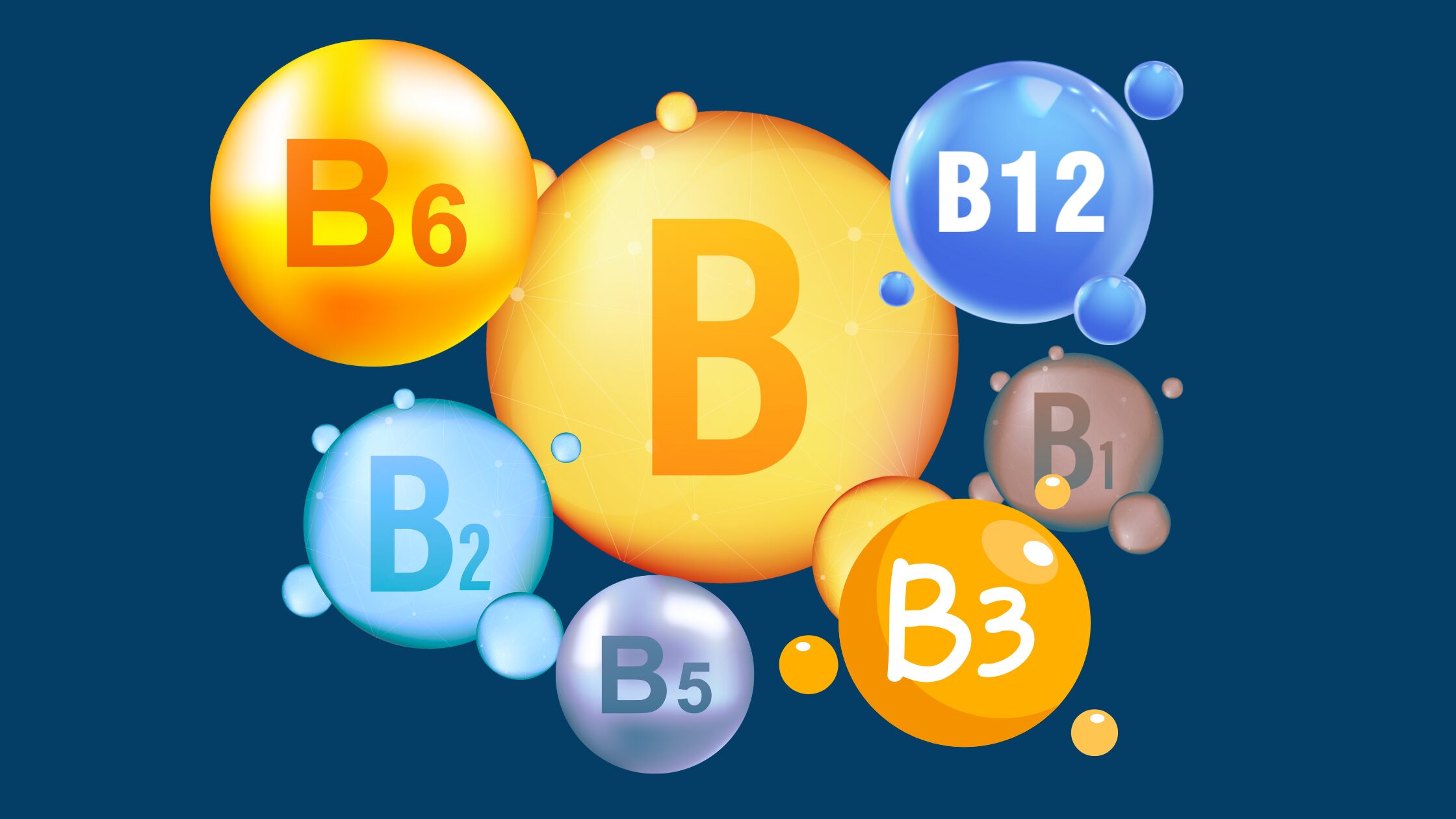
B vitamins are a group of eight water-soluble nutrients that help convert food into energy, support DNA synthesis, and regulate brain chemicals called neurotransmitters. Each vitamin in the B-complex plays a slightly different but often overlapping role in brain function.
Here’s a quick overview of the B-vitamin family:
- B1 (Thiamine)
- B2 (Riboflavin)
- B3 (Niacin)
- B5 (Pantothenic Acid)
- B6 (Pyridoxine)
- B7 (Biotin)
- B9 (Folate/Folic Acid)
- B12 (Cobalamin)
For brain health, B6, B9, and B12 are the most crucial and the most researched.
How B Vitamins Support Brain Health
1. Regulating Mood and Mental Clarity
Low levels of B6, B9, and B12 have been linked to depression, brain fog, and fatigue. These vitamins help your body produce neurotransmitters like serotonin, dopamine, and GABA all of which regulate mood and emotional stability.
Folate (B9) deficiency is so closely tied to mood disorders that many clinicians screen for it in patients with treatment-resistant depression.
2. Protecting Against Cognitive Decline
B vitamins help regulate homocysteine, an amino acid that when elevated has been associated with an increased risk of Alzheimer’s and dementia. Studies show that supplementing with B6, B9, and B12 can lower homocysteine levels and reduce brain atrophy in older adults.
A 2010 study published in PLOS ONE found that participants who took B-complex vitamins for two years had 30% less brain shrinkage than those who took a placebo.
3. Improving Energy and Focus
B vitamins convert carbohydrates into glucose, your brain’s primary energy source. When you’re low in B12 or B1, you may feel constantly tired, mentally slow, or irritable.
Athletes and high performers often supplement with B vitamins to support energy metabolism especially during periods of mental or physical stress.
Symptoms of B Vitamin Deficiency
You might be lacking B vitamins if you experience:
- Chronic fatigue or low energy
- Memory issues or difficulty concentrating
- Irritability or mood swings
- Tingling or numbness in hands and feet (a common B12 symptom)
- Persistent feelings of anxiety or depression
Since some of these symptoms overlap with common mental health conditions, it’s essential to get tested rather than self-diagnosing.
Best Sources of B Vitamins
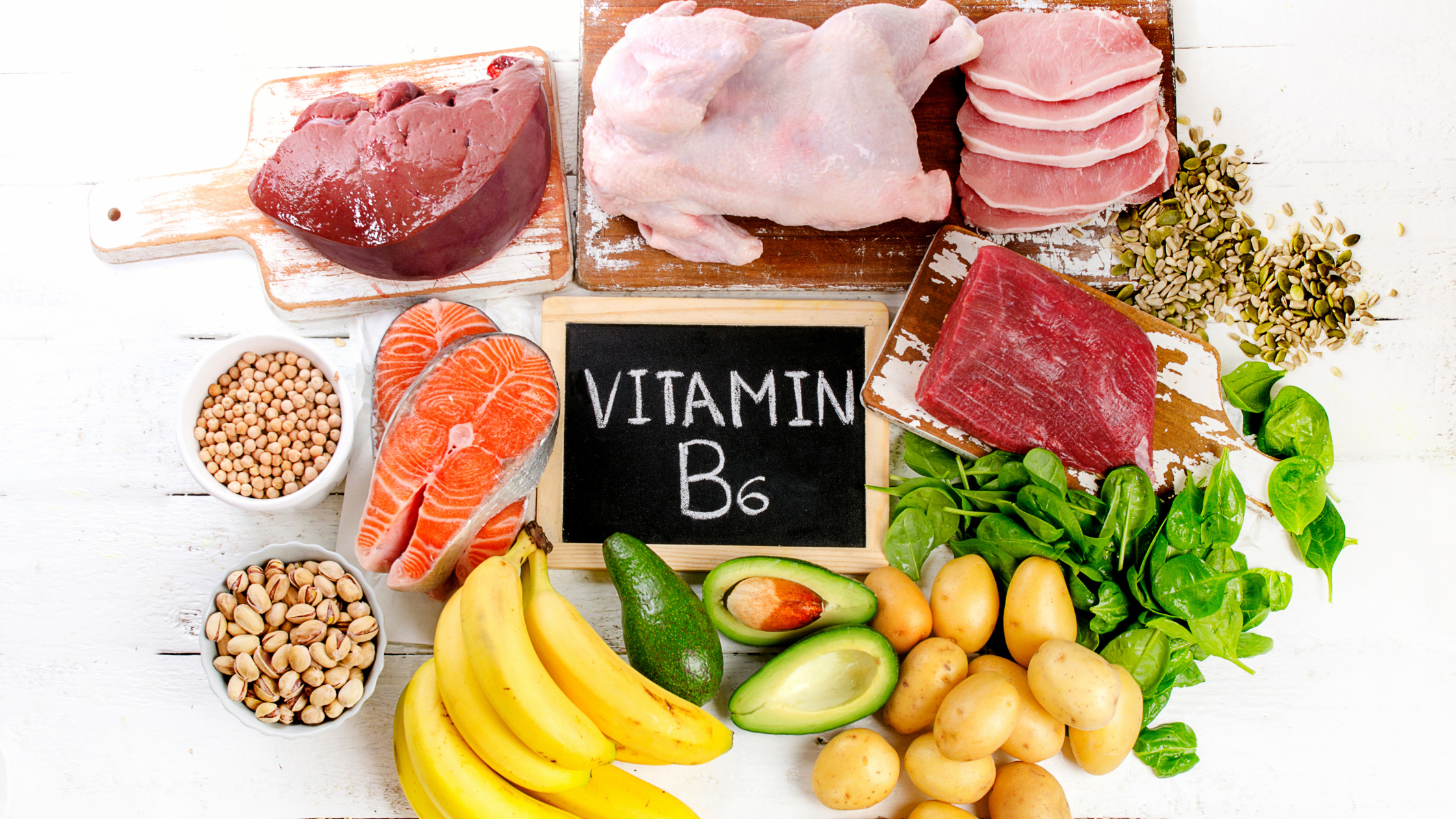
Food Sources:
- B1: Whole grains, legumes, sunflower seeds
- B2: Eggs, lean meats, almonds
- B3: Poultry, peanuts, brown rice
- B5: Avocados, mushrooms, broccoli
- B6: Bananas, potatoes, spinach
- B7: Eggs, salmon, sweet potatoes
- B9: Leafy greens, legumes, citrus fruits
- B12: Animal products only (meat, dairy, eggs)
Supplementation:
If your diet is restricted, or you’re experiencing mental health symptoms, a high-quality B-complex supplement can help fill the gaps especially for B12 and folate.
For personalized supplement recommendations based on your mental health profile, take our quiz to get your best customize brain health supplements!
Why Some People Need More B Vitamins
- Vegans and Vegetarians often lack B12, which is only found naturally in animal products.
- People with Depression or Anxiety may have higher B vitamin needs due to neurotransmitter imbalances.
- Older Adults may absorb less B12 due to decreased stomach acid.
- eople with Chronic Stress burn through B vitamins more quickly due to increased metabolic demands.
If you fall into one of these categories, supplementation isn’t just helpful it might be necessary.
Explore our personalized supplement formulas include clinical doses of B6, B9, and B12, tailored to your unique mental health needs whether that’s stress relief, depression support, or sleep improvement.
Conclusion: Take Charge of Your Brain Health

B vitamins are foundational to a healthy brain. Whether you’re struggling with mental fatigue, low mood, or memory issues, addressing B vitamin deficiencies could be a game-changer. And when used as part of a holistic, science-backed plan for mental wellness, they can help restore clarity, stability, and vitality.
Frequently Asked Questions
Which B vitamins are best for brain health?
The most important B vitamins for brain health are B6 (pyridoxine), B9 (folate), and B12 (cobalamin). These support neurotransmitter production, protect against brain shrinkage, and regulate mood and energy.
Can B vitamin deficiency cause depression?
Yes. Low levels of B6, B9, and especially B12 have been linked to depression, anxiety, and fatigue. These vitamins help produce serotonin and dopamine key mood-regulating neurotransmitters.
How do I know if I need B vitamin supplements?
If you experience fatigue, mood swings, memory issues, or follow a restricted diet (like veganism), you may benefit from supplementation. A blood test can confirm any deficiencies.
Is it safe to take B vitamins daily?
Yes, B vitamins are water-soluble, so excess amounts are usually excreted through urine. However, high doses of certain B vitamins (like B6) should only be taken under professional guidance.
Can B vitamins help with stress and mental fatigue?
Absolutely. B vitamins are essential for energy production and stress response. Chronic stress increases your body’s demand for B vitamins, making supplementation helpful for recovery and resilience.
.