
Diet plays a significant role in supporting brain function and emotional well-being. As more people explore the link between diet and mental health, one nutrient consistently rises to the top: tryptophan. This powerful amino acid is a natural mood booster and sleep aid, making it a must-have in your nutritional toolkit.
In this article, we’ll explore why tryptophan is an essential amino acid, how it contributes to the production of serotonin and melatonin, and provide a comprehensive guide to the best foods high in tryptophan. Whether you’re aiming to reduce anxiety, improve your sleep, or simply feel more emotionally balanced, the right foods can make a difference.
What Is Tryptophan and Why Is It Important?
Tryptophan is an essential amino acid, meaning your body cannot synthesize it on its own — it must come from your diet. Its main role? Fueling the production of serotonin, the “feel-good” neurotransmitter that supports emotional stability, and melatonin, the hormone that regulates your sleep-wake cycle.
Tryptophan also offers additional physiological benefits beyond mood and sleep support. Tryptophan also contributes to:
- Melatonin production for better sleep
- Niacin (Vitamin B3) synthesis, which supports the nervous system
- Regulation of appetite and digestion
- Immune system support
Because of its broad effects on mood, sleep, and brain health, understanding the effects of tryptophan and getting enough through diet is essential for overall wellness.
Tryptophan and Mental Health: How It Works
Once consumed, tryptophan is absorbed into the bloodstream and crosses the blood-brain barrier, where it is converted into serotonin. With adequate iron, magnesium, vitamin B6, B2, and B3, your body can efficiently transform tryptophan into serotonin and melatonin — both vital for mental well-being and a stable sleep-wake cycle.
Here’s what consuming tryptophan can help with:
- Enhancing mood and emotional resilience
- Reducing symptoms of anxiety and depression
- Improving memory and cognitive function
- Promoting deeper, more restful sleep
Health Benefits of Tryptophan
Now that you know how tryptophan works in the brain, let’s explore its full-body benefits. As a precursor to vital neurotransmitters and a building block of proteins, tryptophan plays a crucial role in maintaining mental, emotional, and physical balance.
1. Supports Emotional Well-being
- Boosts serotonin production, which helps regulate mood and reduce anxiety
- May improve symptoms of depression and irritability when consumed regularly
2. Improves Sleep Quality
- Helps convert serotonin into melatonin, your natural sleep hormone
- Promotes deeper, more restful sleep — especially when paired with fat milk, pumpkin seeds, or other foods high in tryptophan before bed
3. Boosts Cognitive Function and Focus
- Supports memory retention, learning, and attention
- Balanced tryptophan levels may help reduce brain fog and enhance mental clarity
4. Supports the Nervous and Immune Systems
- Calms the nervous system, reducing stress signals and supporting gut-brain health
- Aids in niacin (Vitamin B3) synthesis, which is essential for metabolism and immune defense
5. Helps Control Appetite and Cravings
- Stabilizes hunger hormones and reduces emotional eating
- Especially helpful in managing sugar cravings and late-night snacking
Signs of Tryptophan Deficiency
Tryptophan is an essential amino acid crucial for the production of serotonin and melatonin — key players in mood, sleep, and brain function. If your diet lacks enough tryptophan, it may affect your mental and emotional well-being.
Common signs of deficiency include:
- Low mood or depression
- Anxiety or irritability
- Insomnia or poor-quality sleep
- Sugar and carb cravings
- Fatigue or brain fog
- Digestive issues because of gut-brain imbalance
If you’re experiencing several of these symptoms, it may be time to review your daily intake and increase your consumption of foods rich in tryptophan for better mental balance and overall health.
Top Foods High in Tryptophan: A Complete Guide
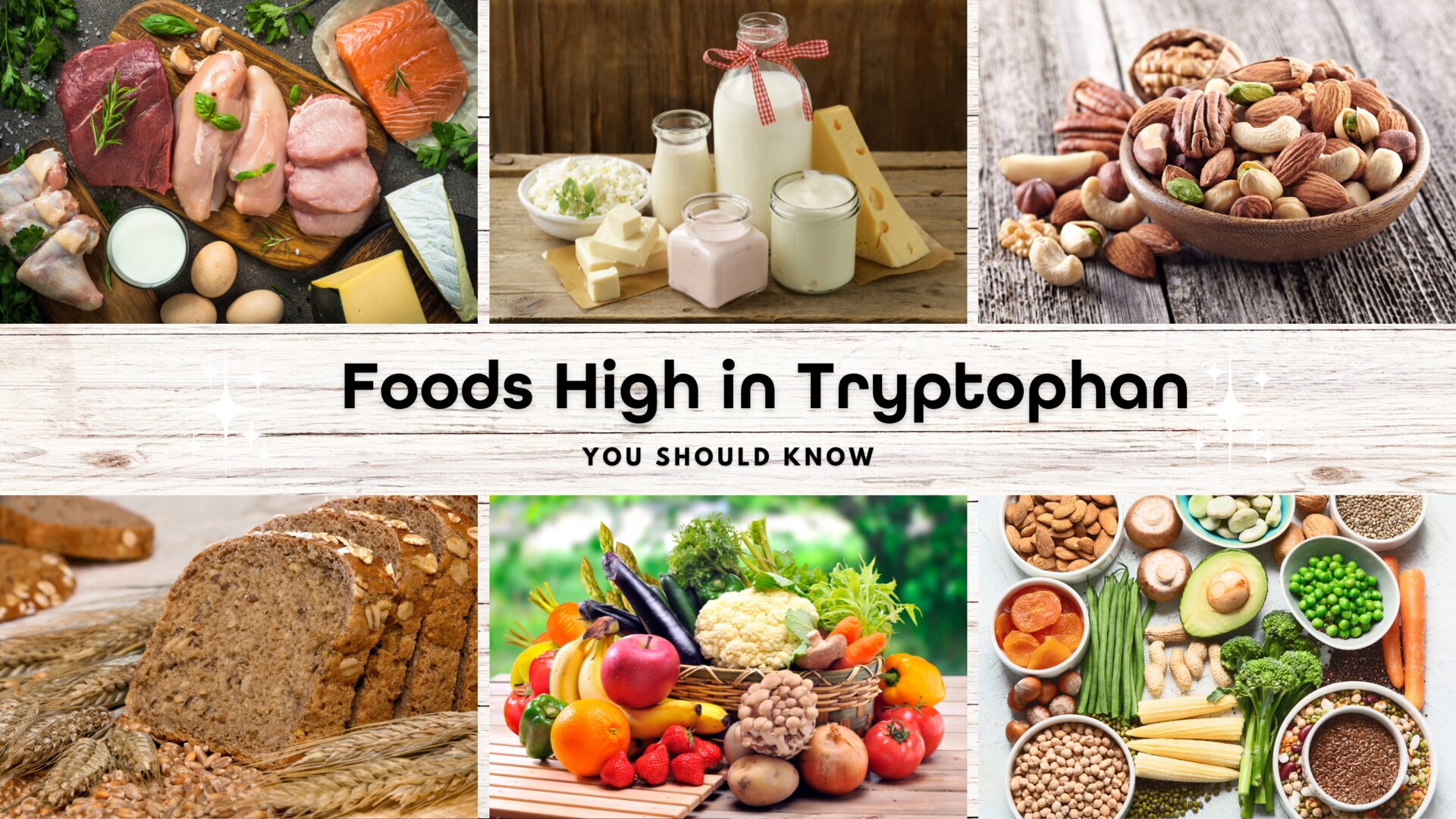
Let’s dive into the best sources of tryptophan across all food groups, from animal products to plant-based options.
1. Animal-Based Protein: Best Bioavailable Sources
Animal proteins tend to be the most protein-rich and rich in tryptophan, providing a complete amino acid profile.
- Chicken Breast: A lean, high-protein meat that’s also one of the best sources of tryptophan.
- Turkey: Often associated with post-Thanksgiving naps — and for good reason. Turkey is both high in tryptophan and iron, making it ideal for serotonin production.
- Eggs: The yolk contains both tryptophan and the vitamins required for serotonin synthesis.
- Salmon and Tuna: Fatty fish are not only rich foods in tryptophan but also in omega-3s, which support the nervous system and reduce inflammation.
- Fat Milk (Whole Milk): Provides tryptophan, calcium, and vitamin D — all essential for mental wellness.
2. Dairy Products: Comfort Foods With Benefits
Dairy products are great for supporting melatonin production, making them perfect for evening meals or bedtime snacks.
- Cheese (cheddar, Swiss, mozzarella): Combines tryptophan with calcium, which helps the brain use tryptophan effectively.
- Yogurt: Especially Greek yogurt, which is also rich in probiotics that support the gut-brain connection.
- Fat Milk: A comforting and classic bedtime beverage, warm milk supports the sleep-wake cycle through its tryptophan and melatonin content.
3. Plant-Based Proteins: Tryptophan for Vegans and Vegetarians
Following a plant-based or vegetarian diet? No problem — there are plenty of good sources of tryptophan in the plant kingdom.
- Tofu and Tempeh: Soy-based proteins that are rich in tryptophan and ideal for vegetarian or vegan diets. They also provide essential amino acids and minerals like iron and calcium.
- Lentils and Chickpeas: Soy-based proteins that are rich in tryptophan and ideal for vegetarian or vegan diets. They also provide essential amino acids and minerals like iron and calcium.
- Quinoa: A complete protein that works well in savory or sweet dishes.
- Pumpkin Seeds: One of the most concentrated plant sources of tryptophan, also rich in magnesium and zinc — key for serotonin production.
4. Nuts and Seeds: Small but Mighty
Including more nuts and seeds in your diet is an easy way to boost your tryptophan intake between meals.
- Almonds: Offer tryptophan, magnesium, and healthy fats that support a calm nervous system.
- Sunflower Seeds: A nutrient-dense source of tryptophan and B vitamins, which play a vital role in supporting mood regulation and neurotransmitter production.
- Cashews: Rich in tryptophan and zinc, an essential mineral that contributes to healthy serotonin metabolism and immune function.
- Pumpkin Seeds (again!): An excellent plant-based source of tryptophan, offering one of the highest concentrations among seeds.
5. Whole Grains: The Perfect Pairing for Protein
Whole grains help deliver tryptophan to the brain by boosting insulin levels, which aids amino acid absorption.
- Oats: A wholesome whole grain that provides complex carbohydrates to support tryptophan absorption, particularly effective when paired with protein sources like yogurt or milk.
- Brown Rice: Great alongside beans or grilled chicken breast for a complete mood-boosting meal.
- Barley: A fibrous grain that supports gut health and serotonin stability.
6. Fruits and Vegetables: Support Nutrient Absorption
Though not always rich in tryptophan, fruits and vegetables provide vital co-factors to aid in the production of serotonin and melatonin.
- Bananas: A natural source of tryptophan and vitamin B6, which aids in the conversion of tryptophan into serotonin—making them a beneficial addition to an evening diet.
- Pineapple: Naturally high in serotonin and helpful for digestion.
- Spinach: A top source of magnesium and iron, which help convert tryptophan into mood-enhancing neurotransmitters.
- Broccoli: Full of B vitamins and fiber to help the gut-brain axis thrive.
Tips to Optimize the Effects of Tryptophan
To fully benefit from consuming tryptophan, keep these tips in mind:
- Pair with carbs: Helps with absorption. For optimal absorption, consider pairing tryptophan-rich foods with complex carbohydrates—such as turkey served with sweet potatoes or Greek yogurt accompanied by whole grain granola.
- Don’t skimp on cofactors: Ensure you’re getting enough key nutrients like magnesium, iron, and B vitamins, as they help your body use tryptophan effectively.
- Stay hydrated and reduce alcohol/sugar: These can interfere with serotonin balance.
- Exercise regularly: Movement boosts natural serotonin production.
- Focus on whole foods: They offer more than just tryptophan — fiber, antioxidants, and healthy fats all contribute to a healthier brain.
What About Tryptophan Supplements?
Eating a variety of foods high in tryptophan is the most natural way to support your mood and mental health. But if you’re facing persistent low mood, poor sleep, or chronic stress, your body might need extra help — and that’s where tryptophan supplements come in.
Supplements like L-tryptophan or 5-HTP offer a more direct route to boosting serotonin and melatonin production, helping improve mood, sleep quality, and emotional stability.
Key Benefits:
- Supports emotional balance and reduces anxiety
- Improves sleep by enhancing melatonin production
- Helps manage cravings and regulate appetite
- Supports the nervous system during times of high stress
A Quick Reminder:
While supplements can be effective, they should complement, not replace, a balanced diet rich in natural sources of tryptophan. Always consult your healthcare provider before use — especially if you’re taking antidepressants, as combining both may increase the risk of serotonin syndrome.
Who Can Benefit?
- People with low tryptophan intake
- Those on plant-based or low-protein diets
- Anyone experiencing high stress or poor sleep
- Individuals needing a boost in mental clarity and focus
Take the Next Step Toward Better Mental Wellness
If your diet isn’t quite enough to meet your needs, tryptophan supplements could help you restore balance naturally.
Conclusion: Let Food Fuel Your Mind
Foods high in tryptophan are a game-changer for better mood, deeper sleep, and improved mental health. From chicken breast and fat milk to pumpkin seeds and quinoa, adding these good sources of tryptophan to your daily routine can have lasting benefits.
Your daily intake of tryptophan doesn’t have to be complicated — it just needs to be consistent. Mix and match across food groups, aim for balance, and let nature’s rich foods nourish your nervous system and boost your well-being.
Ready to improve your emotional wellness naturally?
Take our Mental Health Survey to discover what nutrients you might be lacking. You’ll receive personalized supplement recommendations based on your mood, energy levels, stress, and sleep patterns.
Frequently Asked Questions
Can eating tryptophan-rich foods immediately improve mood or sleep?
Not instantly. While tryptophan plays a key role in serotonin and melatonin production, the process takes time and depends on cofactors like magnesium, iron, and B vitamins. Consistent intake of tryptophan-rich foods over days or weeks is what supports long-term improvements in mood and sleep quality.
Do plant-based sources of tryptophan work as well as animal sources?
Yes, but with some differences. Plant-based foods like pumpkin seeds, quinoa, and lentils provide tryptophan along with fiber and antioxidants, though they may be less bioavailable compared to animal sources like turkey, salmon, or eggs. Pairing plant-based tryptophan foods with complex carbohydrates can enhance absorption and effectiveness.
Can too much tryptophan be harmful?
From whole foods, it’s very unlikely to consume too much tryptophan. However, high-dose tryptophan or 5-HTP supplements may cause side effects like nausea, digestive upset, or, in rare cases, serotonin syndrome if combined with antidepressant medications. That’s why supplements should always be taken under professional guidance.