
Understanding Magnesium’s Role in Mental Health
What is Magnesium?
Magnesium is a mineral your body depends on to function properly. It plays a role in over 300 biochemical reactions, including nerve transmission, muscle function, and neurotransmitter regulation. When your body is low on magnesium, it can result in symptoms such as: fatigue, irritability, insomnia, muscle cramps and anxiety. Modern diets and chronic stress deplete magnesium levels, making supplementation a smart strategy for many.
How Magnesium Supports Mental Health
Magnesium and Anxiety Relief
Magnesium acts as a natural calcium blocker, helping prevent overstimulation of the nervous system. It also supports GABA, a calming neurotransmitter, and regulates cortisol levels—the body’s primary stress hormone. Journal of Affective Disorders
Magnesium for Sleep Quality
Struggling with insomnia or restless nights? Magnesium helps regulate melatonin and promotes GABA activity, both crucial for winding down and staying asleep.
A 2012 study in Journal of Research in Medical Sciences showed that older adults taking magnesium experienced better sleep efficiency, longer sleep time, and reduced nighttime waking.
Magnesium and Mood Regulation
Low magnesium levels are linked with increased risk for depression and mood disorders. It influences serotonin production and stabilizes the hypothalamic-pituitary-adrenal (HPA) axis, which controls your stress response. In clinical settings, magnesium has been used to help patients with treatment-resistant depression. Combining magnesium with vitamin B6 may enhance this effect.
Best Types of Magnesium
When considering magnesium for sleep, it’s important to choose the right type for maximum benefit. Some forms of magnesium, such as magnesium glycinate, are particularly effective in supporting sleep according their high calming effects.
Magnesium Glycinate
Magnesium glycinate is a chelated form of magnesium paired with glycine, an amino acid known for its relaxing properties. This combination is particularly effective for improving sleep quality and reducing anxiety. This form is particularly beneficial for individuals with insomnia, especially those who frequently wake up during the night.
Magnesium Chloride
Magnesium chloride may be beneficial for sleep, particularly if you have a magnesium deficiency. However, more research is confirm its effectiveness specifically for sleep. Talk to a healthcare provider about your health condition to find the right type and dose for you.
Recommended Daily Intake and Supplementation
Your Ideal Magnesium Dose
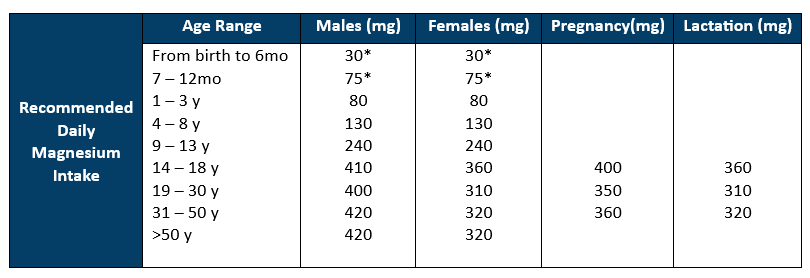
The ideal magnesium dosage varies based on individual needs, as there’s no one-size-fits-all approach. If you engage in intense exercise and sweat frequently, you may lose more minerals than most. High levels of stress can also increase your magnesium needs. Similarly, if your diet is processed and fast foods, you might require more dosage.
For healthy individuals without any specific health concerns, a dose of around 7mg per kg per day is typically sufficient. However, if you’re dealing with symptoms of magnesium deficiency, aiming for the higher end of 10mg per kg per day may be more beneficial.
Current clinical research suggests that magnesium intake below 6mg per kg per day can lead to a negative magnesium balance, while intakes exceeding 10mg per kg per day can create a strong positive magnesium balance, helping to restore magnesium levels in tissues.
Best Time to Take Magnesium : In the evening, 1–2 hours before bed.
Conclusion
Magnesium plays a crucial role in mental health, influencing anxiety levels, sleep quality, and overall well-being. Scientific studies support its use, especially when combined with vitamin B6, in managing stress and mood disorders. Understanding the different types of magnesium supplements and their specific benefits can help you make informed decisions about your health.
If you’re experiencing anxiety, sleep disturbances, or other mental health challenges, consider discussing magnesium supplementation with your healthcare provider as part of a comprehensive treatment plan.
Take our personalized supplement quiz and discover the ideal magnesium formula for your needs.
Frequently Asked Questions
1. What type of magnesium is best for anxiety?
Magnesium glycinate and magnesium taurate are often recommended for anxiety because of their calming effects on the nervous system. Magnesium glycinate is well-absorbed and gentle on the stomach, making it a top choice for reducing anxiety and improving sleep.
2. Can magnesium help with sleep problems?
Yes. Magnesium helps regulate melatonin production and supports GABA activity, a neurotransmitter that promotes relaxation and restful sleep. Forms like magnesium glycinate, magnesium citrate, and magnesium L-threonate are commonly used to support better sleep.
3. What’s the recommended dose of magnesium for mental health?
The typical dose ranges from 200 mg to 400 mg per day, depending on your age, sex, and individual needs. Always start with a lower dose and consult your healthcare provider, especially if you have underlying health conditions or take medications.
4. Can I take magnesium every night for sleep?
Yes, magnesium is safe for most people to take nightly, especially when using gentle forms like magnesium glycinate. It can help establish a consistent bedtime routine, support relaxation, and improve sleep quality over time.
5. Are there side effects of taking magnesium?
Magnesium is generally well tolerated. However, high doses can cause side effects like diarrhea, nausea, or abdominal cramping, especially with magnesium oxide or magnesium citrate. Stick to the recommended dosage and choose a form that suits your body.
6. Can magnesium be taken with other medications?
Magnesium can interact with certain medications, including antibiotics, diuretics, and osteoporosis drugs. Always check with your doctor or pharmacist before adding magnesium to your routine if you’re on prescription meds.
7. How do I know if magnesium supplements are working?
Track changes in symptoms like anxiety, stress levels, sleep quality, and mood over a few weeks. You may notice more restful sleep, better focus, fewer mood swings, and reduced physical tension.
Is Magnesium Right for You?
Struggling with anxiety, restless nights, or chronic stress?
Magnesium might be the gentle yet powerful support your body needs. Backed by science and trusted by many, the right form of magnesium can help calm your mind, improve sleep quality, and boost your mood.
Cenario offers a premium magnesium supplement crafted to support relaxation, reduce anxiety, and encourage natural sleep—without artificial fillers or harsh additives.
What makes Cenario different:
- Uses highly absorbable magnesium glycinate
- Free from common allergens and unnecessary fillers
- Enhanced with calming cofactors for natural sleep support
- Safe for nightly use, with no risk of dependency
Take our quick quiz to discover your best personalized sleep formula—tailored to your unique needs.
Start your journey to better life with Cenario today.
.