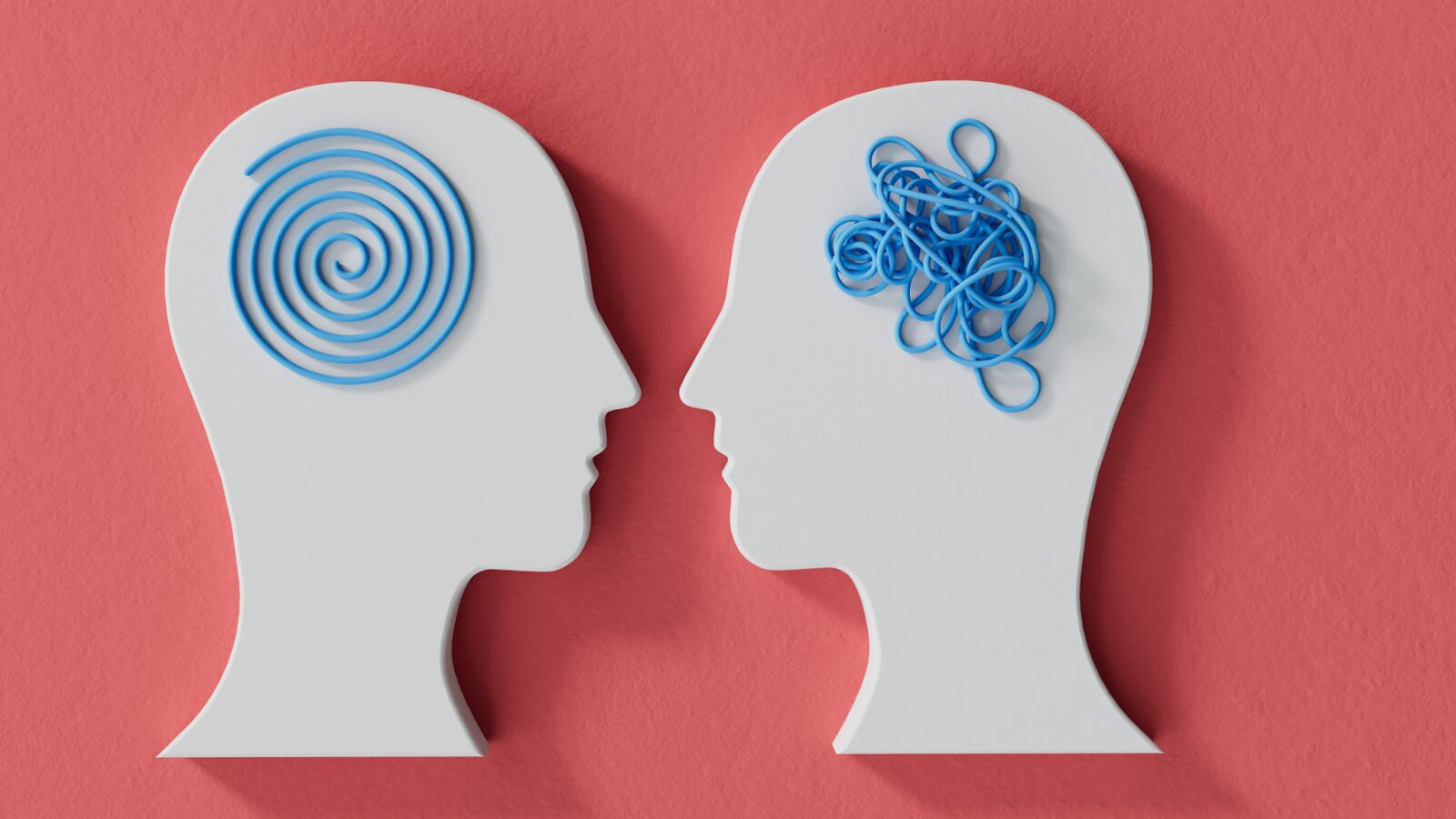

N-Acetyl-L-Cysteine, better known as NAC, is gaining widespread attention for its powerful impact on mental health and brain function. While traditionally used as a mucolytic agent and antidote for acetaminophen overdose, NAC is now being explored for its neuroprotective, mood-stabilizing, and antioxidant properties.
So, what makes NAC so beneficial for the brain—and could it be the missing piece in your mental wellness routine? In this post, we’ll explore how NAC supports mood, reduces oxidative stress, and protects brain health—along with what the science says and how it can fit into your daily wellness strategy
What Is NAC (N-Acetyl-L-Cysteine)?
NAC is a supplemental form of the amino acid cysteine—a precursor to glutathione, one of the body’s most essential antioxidants. Glutathione plays a vital role in neutralizing free radicals, detoxifying harmful substances, and maintaining cellular health.
Because NAC boosts glutathione production, it indirectly strengthens your body’s defense system against oxidative stress, inflammation, and neurodegeneration.
NAC, short for N-Acetyl-L-Cysteine, is a special form of the amino acid cysteine—a building block your body uses to create proteins. What makes NAC important is that it helps your body produce glutathione, which is often called the “master antioxidant.” Glutathione protects your cells from damage, helps remove harmful toxins, and keeps your body’s systems working properly.
When you take NAC as a supplement, it gives your body the extra support it needs to make more glutathione. This strengthens your body’s natural defense system and helps reduce oxidative stress, which happens when there are too many free radicals (unstable molecules that can harm cells). By lowering oxidative stress and inflammation, NAC can help protect your brain, support your mood, and may even slow down age-related damage to your brain and body.
NAC and Oxidative Stress: How It Protects Your Brain
Oxidative stress happens when there’s an imbalance between harmful free radicals (unstable molecules that damage cells) and your body’s ability to neutralize them with antioxidants. When free radicals build up over time, they begin to damage important structures in your body—including brain cells. This damage doesn’t just affect physical health—it plays a major role in mental health conditions like depression, anxiety, bipolar disorder, and even schizophrenia.
In the brain, oxidative stress can:
- Damage neurons, the cells that send messages throughout your nervous system
- Disrupt communication between brain regions, making it harder to think clearly or feel emotionally balanced
- Increase inflammation, which is now known to play a major role in mood disorders and cognitive decline
That’s where NAC becomes so valuable. It works in three main ways:
- It boosts glutathione – NAC helps your body make more glutathione, which is your brain’s most powerful antioxidant. Glutathione protects neurons, repairs cell damage, and helps detoxify harmful substances.
- It neutralizes free radicals – NAC directly reduces the buildup of oxidative molecules, stopping them before they can do more harm.
- It reduces chronic inflammation – By calming inflammation, NAC supports better brain function, emotional stability, and cognitive clarity.
Over time, this protective effect may slow or even reverse damage to brain cells, helping your brain recover from stress, fatigue, and long-term emotional strain. This is one reason why NAC has been studied as a potential treatment for serious mental health conditions—not just to manage symptoms, but to restore balance at a cellular level.
A study from Biological Psychiatry found that NAC supplementation significantly reduced oxidative markers and improved mood in patients with major depressive disorder
NAC and Cognitive Function: How It Supports a Healthier, Sharper Brain
NAC doesn’t just help improve your mood—it also plays a key role in protecting and enhancing cognitive function, especially as we age or face chronic mental strain. This makes NAC a promising supplement for people who experience brain fog, memory issues, focus problems, or early signs of cognitive decline.
Here’s how NAC supports your brain’s long-term health and performance:
Reducing Neuroinflammation
Inflammation in the brain—known as neuroinflammation—can silently interfere with your ability to think clearly, remember information, or feel emotionally balanced. It’s often triggered by stress, toxins, poor sleep, or even an unhealthy diet.
NAC helps by lowering inflammatory molecules like cytokines, calming the brain’s immune response. This creates a more balanced, less reactive environment in your brain, which supports clearer thinking and emotional regulation.
Protecting Mitochondrial Function
Your brain cells need energy to function—and that energy comes from tiny “power plants” inside each cell called mitochondria. When mitochondria are damaged by oxidative stress or aging, they can’t produce enough energy. This leads to mental fatigue, slower thinking, and even neuron damage.
NAC supports mitochondrial health by:
- Reducing oxidative damage inside cells
- Helping maintain a steady energy supply
- Supporting detox pathways that protect the mitochondria from harm
By protecting your mitochondria, NAC helps your brain stay sharp, alert, and energized—especially important as you get older.
Enhancing Synaptic Plasticity (Brain Flexibility)
Synaptic plasticity is your brain’s ability to adapt, learn, and form new connections—it’s what allows you to pick up new skills, solve problems, and build long-term memory. But chronic stress, inflammation, or neurodegeneration can weaken this ability over time.
NAC helps by:
- Balancing glutamate levels, a key neurotransmitter involved in learning and memory
- Supporting healthy communication between brain cells
- Promoting the repair of synapses (the junctions where neurons communicate)
Taken together, these mechanisms make NAC a powerful neuroprotective tool—not just for people with cognitive disorders, but for anyone looking to stay mentally sharp, focused, and resilient through the stress of modern life.
Research has explored NAC in the context of Alzheimer’s disease, Parkinson’s disease, and traumatic brain injury, with promising preliminary results.
NAC for Mental Health Conditions: Where It Shows Promise

Depression and Anxiety
NAC is often used as an adjunct treatment in depression and anxiety. Its antioxidant and glutamate-modulating effects may improve mood stability and emotional resilience.
OCD and Addictive Behaviors
NAC appears to reduce compulsive behaviors by normalizing glutamate signaling. It has shown positive outcomes in studies involving OCD, trichotillomania (hair-pulling), and even substance use disorders.
Neurodegeneration
Its neuroprotective abilities make NAC a potential preventive agent for age-related cognitive decline, especially where oxidative stress and inflammation are involved.
NAC Dosage and Safety
Typical Dose:
- 600–2,400 mg/day, divided into 2–3 doses
- Often started at 600 mg and titrated up depending on the condition
Best Practices:
- Take NAC with food to minimize potential gastrointestinal discomfort
- Ensure adequate Vitamin C intake, as NAC can increase cysteine levels that oxidize easily
Safety Profile:
- Generally well-tolerated
- Mild side effects: nausea, bloating, or diarrhea
- Consult your healthcare provider before use, especially if you’re on antidepressants or have asthma
NAC vs. Other Antioxidants
NAC stands out among antioxidants due to its dual action on both oxidative stress and neurotransmitter balance. While glutathione acts as a direct antioxidant, NAC serves as its precursor, supporting the body’s natural defense system.
Compared to alpha-lipoic acid, which helps recycle other antioxidants, NAC offers the added benefit of modulating glutamate—a key neurotransmitter involved in mood and cognition. Vitamins C and E are effective free radical scavengers but lack any influence on glutamate signaling.
This unique combination of glutathione enhancement and glutamate regulation makes NAC especially powerful for supporting both brain health and emotional well-being.
Should You Add NAC to Your Supplement Routine?
You might consider NAC if you:
- Struggle with low mood, brain fog, or anxiety
- Are looking for brain-aging prevention
- Deal with compulsive or addictive behaviors
- Need support recovering from chronic stress or inflammation
For personalized results, you can take Cenario’s quiz to see whether NAC is recommended for your unique mental wellness profile.
Final Thoughts
NAC isn’t just another antioxidant—it’s a powerful ally for mood regulation, brain protection, and emotional resilience. Backed by growing scientific research, NAC may be especially useful for individuals facing depression, anxiety, cognitive fatigue, and even compulsive behaviors.
By restoring biochemical balance in the brain, NAC offers a science-backed path toward improved mental clarity and mood stability.
Frequently Asked Questions
1. What is NAC used for in mental health?
NAC is commonly used to support mood regulation, reduce anxiety, improve cognitive function, and manage conditions like depression, OCD, and bipolar disorder. Its ability to boost glutathione and modulate glutamate makes it uniquely beneficial for brain health.
2. How does NAC improve mood and reduce stress?
NAC reduces oxidative stress and regulates neurotransmitters like glutamate and dopamine—both of which are crucial for emotional balance. This biochemical support can help stabilize mood and lower feelings of overwhelm or mental fatigue.
3. Is NAC effective for depression or anxiety?
Yes. Clinical studies have shown that NAC may significantly reduce symptoms of both depression and anxiety, especially when used as an adjunct to traditional treatment. It helps calm overactive brain signaling and supports emotional resilience.
4. How much NAC should I take daily?
Typical doses range from 600 mg to 2,400 mg per day, usually divided into 2–3 doses. Always start low and consult your healthcare provider, especially if you’re taking medications or have preexisting conditions.
5. Is NAC safe to take long term?
NAC is considered generally safe when used appropriately. Side effects are usually mild (e.g., nausea, bloating), but long-term use should be monitored by a professional to ensure balance in other nutrients like zinc and copper.
6. Can NAC be taken with other supplements or antidepressants?
NAC is often combined with other supplements like magnesium, vitamin D, or L-theanine. However, if you’re on antidepressants or antipsychotics, speak with your doctor before adding NAC to avoid potential interactions.
7. How long does it take for NAC to work?
Some users report improvements in 1–2 weeks, but most clinical benefits appear after 6–12 weeks of consistent use, especially in mood-related conditions.
8. Is NAC good for brain fog or memory issues?
Yes. NAC’s ability to boost glutathione and protect mitochondria makes it effective for combating brain fog, cognitive fatigue, and mild memory issues—especially when oxidative stress is a factor.