

In a world where mental burnout, fatigue, and stress are becoming the norm, natural adaptogens like Rhodiola Rosea are emerging as powerful allies. Used for centuries in traditional medicine, Rhodiola is now gaining popularity in modern wellness circles for its ability to boost natural energy, enhance focus, and support the body’s stress response. But what does science say about this ancient herb and how can it support your mental health today?
Let’s learn the adaptogenic magic of Rhodiola Rosea, how it works, who it’s for, and why it might be the missing piece in your mental wellness routine.
What Is Rhodiola Rosea?
In a world where mental burnout, fatigue, and stress are becoming the norm, natural adaptogens like Rhodiola Rosea are emerging as powerful allies. Used for centuries in traditional medicine, Rhodiola is now gaining popularity in modern wellness circles for its ability to boost natural energy, enhance focus, and support the body’s stress response. But what does science say about this ancient herb and how can it support your mental health today?
How Rhodiola Rosea Works in the Body
Rhodiola exerts its effects through several key mechanisms:
- Reduces cortisol: It helps regulate cortisol levels, the primary hormone released during stress.
- Supports mitochondrial energy production: Enhances ATP synthesis, improving physical and mental energy.
- Modulates neurotransmitters: Balances serotonin, dopamine, and norepinephrine—key for mood, motivation, and focus.
- Protects neurons: Acts as an antioxidant and neuroprotective agent, reducing oxidative stress in the brain.
These mechanisms allow Rhodiola to create a calm, focused energy without overstimulation.
Top Benefits of Rhodiola Rosea
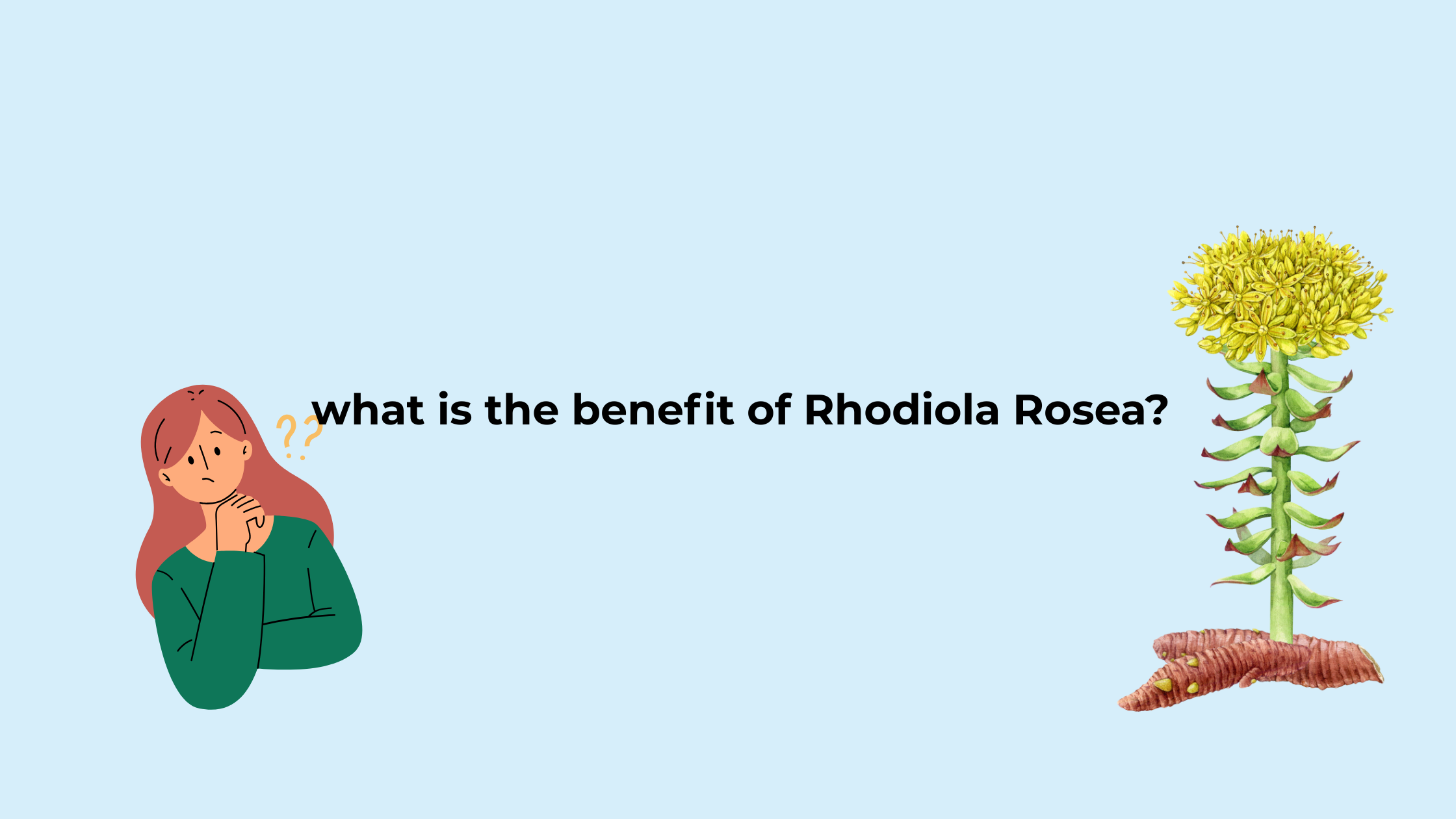
Let’s explore the adaptogenic magic of Rhodiola Rosea, how it works, who it’s for, and why it might be the missing piece in your mental wellness routine.
Natural Energy Without the Crash
Unlike caffeine or sugar-based stimulants, Rhodiola provides a natural energy boost by supporting mitochondrial function the powerhouses of your cells. It helps your body produce more ATP (adenosine triphosphate), which is essential for sustained physical energy.
Key benefits:
- Reduced fatigue, especially under stress
- Improved stamina during physical activity
- More consistent energy throughout the day
Studies suggest Rhodiola can improve symptoms of burnout and reduce feelings of exhaustion in just a few weeks.
Sharper Focus and Mental Clarity
One of Rhodiola’s standout benefits is its impact on cognitive function especially during stressful or mentally demanding tasks.
It works by:
- Supporting neurotransmitters like dopamine and serotonin
- Balancing cortisol levels
- Enhancing blood flow to the brain
This translates to:
- Better focus and attention
- Improved memory and recall
- Faster reaction times during high-pressure situations
Adaptogen Power: How It Helps With Stress
As an adaptogen, Rhodiola helps regulate the body’s stress response. It doesn’t just mask stress it helps your body adapt more effectively to it.
Benefits for mental health:
- Reduced symptoms of anxiety and depression
- Increased resilience in stressful environments
- Stabilized mood and emotional wellbeing
Research shows Rhodiola may reduce cortisol, the stress hormone, while promoting a sense of calm without drowsiness.
How to Use Rhodiola Rosea
Dosage:
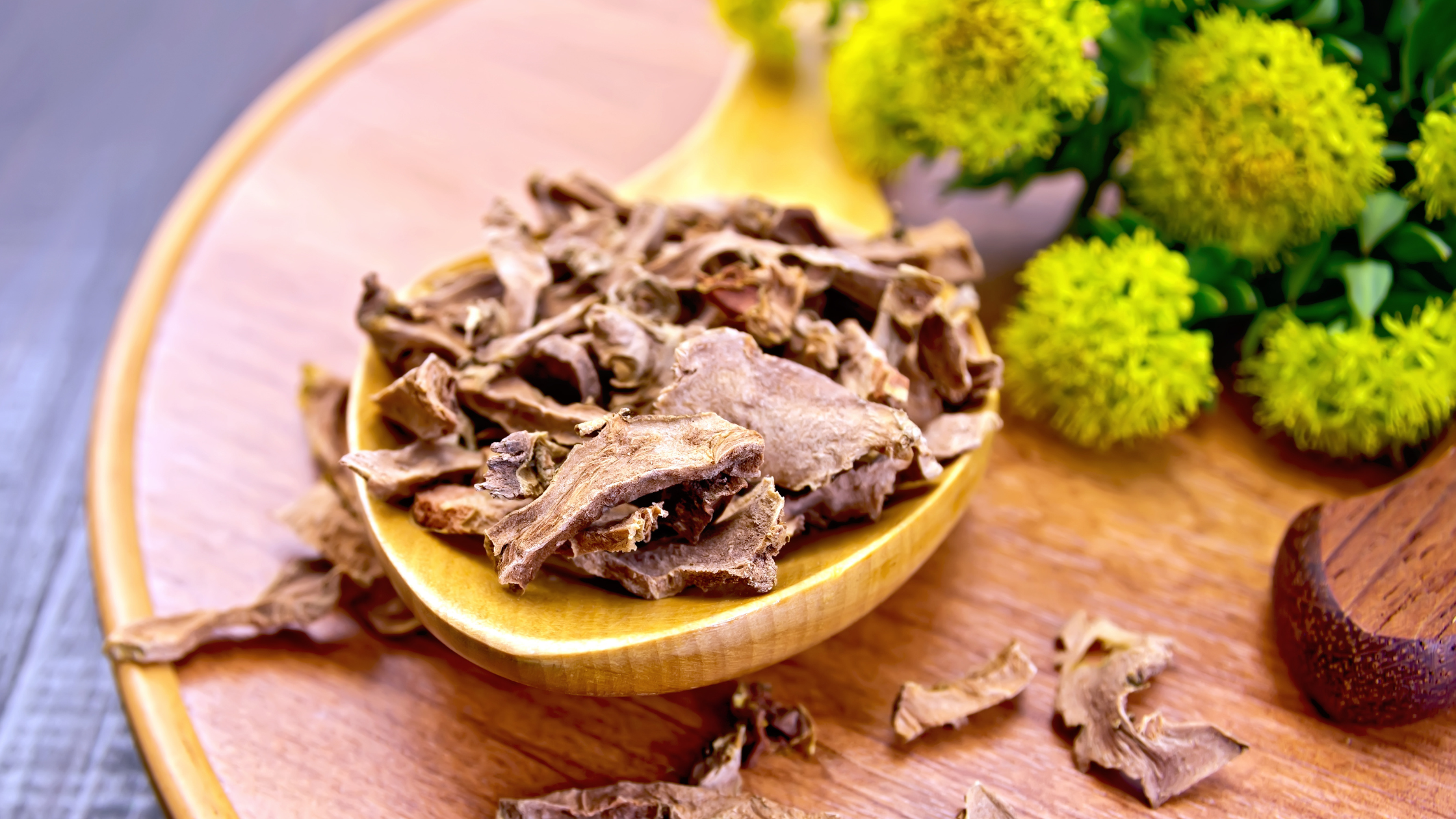
Typical dosages range from 200–600 mg per day, usually taken in the morning to avoid sleep disruption.
Standardized extract: Look for products with 3% rosavins and 1% salidroside, the active compounds responsible for most of Rhodiola’s benefits.
Tips:
- Start low and assess tolerance
- Best taken 30 minutes before meals
- Avoid taking it late in the day
Always choose a high-quality supplement from a trusted source. At Cenario, we only use science-backed, pure extracts to ensure maximum efficacy and safety.
Download our eBook and dive into our blog for real-life tips and science-backed advice.
Possible Side Effects and Precautions
Study from Therapeutic Research Center, LLC said Rhodiola is generally well-tolerated, but potential side effects include:
- Dizziness
- Dry mouth
- Irritability or overstimulation (especially at high doses)
Avoid if:
- You’re pregnant or breastfeeding
- You have bipolar disorder (may trigger mania)
- You’re on certain medications—consult your doctor first
Conclusion: Should You Try Rhodiola Rosea?
If you’re looking for a natural way to boost energy, improve focus, and stay resilient under pressure, Rhodiola Rosea is one of the most well-researched and effective adaptogens available.
Whether you’re battling burnout, prepping for deadlines, or simply want to feel more like yourself again, Rhodiola might be exactly what your body and brain need to recharge.
Take the Next Step: Discover Your Perfect Supplement Match
At Cenario, we create custom supplement formulas based on your unique mental health needs backed by science and crafted by experts.
Not sure if Rhodiola is right for you?
Take our free mental health quiz to get a personalized formula in just 3 minutes.
Frequently Asked Questions
1. What is Rhodiola Rosea good for?
Rhodiola Rosea is known for boosting energy, improving focus, and reducing stress. As an adaptogen, it helps your body respond better to physical and mental challenges.
2. Does Rhodiola boost energy and focus?
Yes. Rhodiola supports cellular energy production and balances neurotransmitters, helping you feel more alert, focused, and resilient—especially during times of stress or fatigue.
3. How quickly does Rhodiola Rosea work?
Some people notice benefits like increased alertness or reduced fatigue within a few days. For full effects on stress and mood, it typically takes 2–4 weeks of consistent use.
4. What’s the best way to take Rhodiola Rosea?
Take 200–600 mg per day of a standardized extract (3% rosavins, 1% salidroside), ideally in the morning before meals. Avoid late-day use to prevent sleep disturbances.
5. Are there any side effects or safety concerns?
Rhodiola is generally safe, but it may cause mild side effects like dry mouth or irritability. Avoid use during pregnancy, with bipolar disorder, or when on certain medications check with your doctor first.