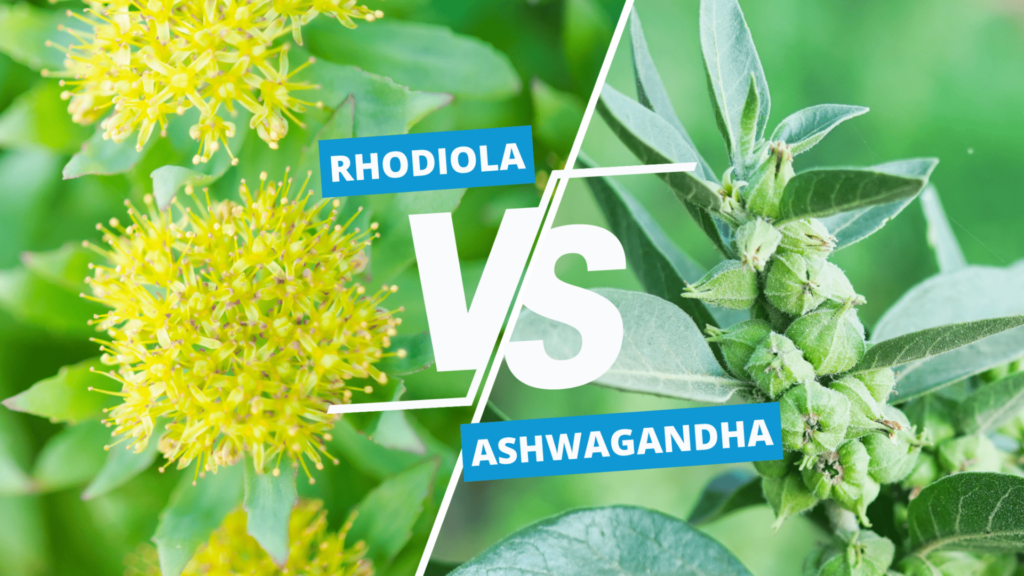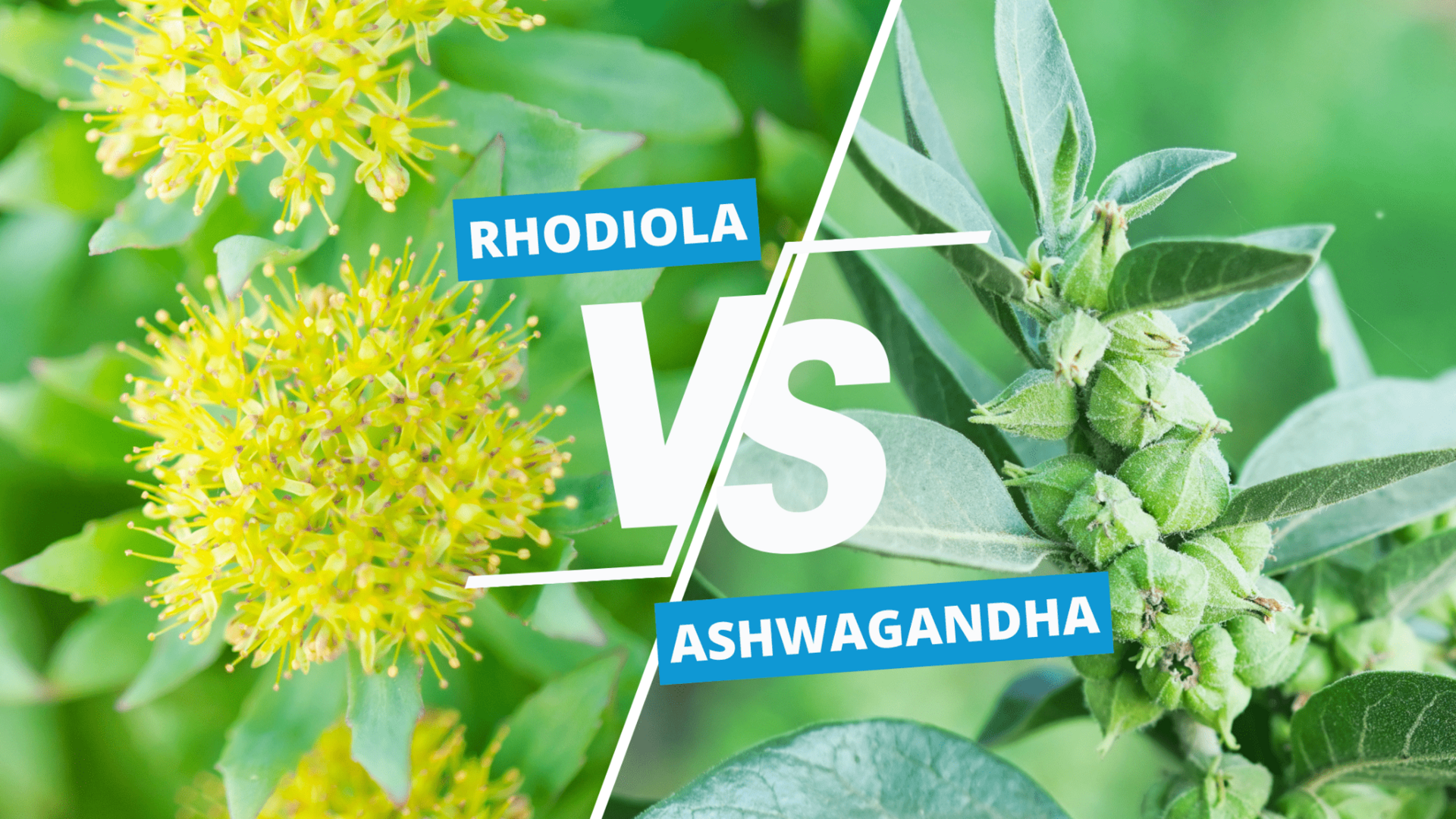

In today’s fast-moving world, stress has become a constant part of life. From busy work schedules to endless responsibilities, the demands of modern life can impact both our mental and physical health. This is where adaptogens come in a special group of herbs that help the body handle stress more effectively, supporting balance and resilience.
Two of the most well-known and researched adaptogens are Rhodiola rosea and Ashwagandha. But how do you know which one is right for you? Let’s take a closer look at these powerful natural remedies.
What Are Adaptogens?
Before we compare Rhodiola and Ashwagandha, it’s important to understand what an adaptogen actually is. The term was first defined by Russian scientists in the mid-1900s, and for a herb to be considered an adaptogen, it must meet three main criteria:
- Non-toxic – It should be safe to use and have minimal side effects.
- Non-specific – It should help the body respond to a wide range of stressors, whether physical, emotional, or environmental.
- Normalizing effect – It should help bring the body back into balance, whether you’re feeling overly stressed or run-down.
You can think of adaptogens like a thermostat for your stress levels—they help your body stay balanced no matter what’s going on around you.
Ashwagandha (Withania somnifera): The Calming Powerhouse
Ashwagandha, often called “Indian Ginseng” or “Winter Cherry,” has been used for thousands of years in Ayurvedic medicine. Its name comes from Sanskrit and means “smell of a horse,” which refers to both its distinct smell and the belief that it gives strength and vitality like a horse.
Key Health Benefits of Ashwagandha:
- Reduces Stress and Anxiety:
Ashwagandha is best known for its calming effects. It can help lower cortisol—the main stress hormone in the body—leading to reduced anxiety and a more relaxed state of mind. - Improves Sleep Quality:
By calming the nervous system, Ashwagandha can help people who struggle with poor sleep or insomnia. It’s not a sedative, but it helps the body relax more naturally. - Supports Brain Function:
Studies suggest it can improve memory, attention span, and mental speed, especially in people who are mentally exhausted or stressed. - Boosts Physical Strength and Recovery:
Ashwagandha may help improve muscle strength and speed up recovery after exercise, making it useful for athletes or those with active lifestyles. - Promotes General Well-Being:
It supports overall health by helping the body better cope with physical and emotional stress.
How It Works:
Ashwagandha contains active compounds called withanolides. These natural chemicals have anti-inflammatory and antioxidant effects. They also affect brain chemicals like GABA, which helps calm the mind, and help balance the HPA (hypothalamic-pituitary-adrenal) axis—your body’s main stress control system.
Best For: People who feel tense, anxious, or have trouble sleeping. It’s a great option for those who feel “wired but tired” and want long-term relief from stress, better sleep, and improved brain function.
Rhodiola Rosea: The Energizing Adaptogen
Rhodiola rosea, also known as “Golden Root” or “Arctic Root,” grows in cold, mountainous regions like Siberia and Scandinavia. It’s been used for centuries in traditional medicine to fight fatigue, improve energy, and support endurance.
Key Health Benefits of Rhodiola:
- Fights Fatigue:
Rhodiola is well-known for helping the body feel less tired, especially during stressful or demanding times. - Improves Mental Focus:
It can help improve concentration, memory, and alertness, even when someone is sleep-deprived or under pressure. It also helps increase overall energy levels. - Lifts Mood:
Rhodiola has shown mild antidepressant effects and can help ease symptoms of stress-related depression while improving mood. - Boosts Physical Endurance:
It may improve exercise performance by increasing stamina and helping muscles recover faster. - Builds Stress Resilience:
While it’s not as calming as Ashwagandha, Rhodiola helps the body adapt to stress by protecting cells from damage and balancing brain chemicals.
How It Works:
Rhodiola’s main active ingredients are rosavins and salidrosides. These compounds affect key brain chemicals like serotonin, dopamine, and norepinephrine, which play major roles in mood, focus, and energy. They also help protect your cells from stress damage and support healthy energy production in the body.
Best For: People who feel mentally or physically drained and need a boost in energy, mood, and focus. It’s a great choice for those facing long workdays, demanding studies, or stressful schedules.
Rhodiola vs. Ashwagandha: A Direct Comparison
| Feature | Ashwagandha (Withania somnifera) | Rhodiola Rosea |
|---|---|---|
| Primary Effect | Calming, anxiolytic, sleep-promoting | Energizing, anti-fatigue, mood-boosting |
| Best For | Anxiety, poor sleep, high cortisol, feeling “wired” | Fatigue, brain fog, low mood, needing focus/stamina |
| Energy Impact | Helps normalize energy, often calming, can aid sleep | Boosts energy levels, combats fatigue, improves endurance |
| Mood Impact | Reduces anxiety, promotes relaxation | Elevates mood, combats mild depression |
| Cognitive Impact | Improves memory, attention, stress-related impairment | Enhanced mental performance, focus, concentration, mental stamina |
| Ideal Time to Take | Often evening (due to calming effects) | Often morning/early afternoon (due to energizing effects) |
Frequently Asked Questions
Is it safe to take Rhodiola and Ashwagandha together?
Yes, it’s generally safe to take Rhodiola and Ashwagandha together. Many people use them in combination to support both energy and stress relief. Ashwagandha is known for helping manage chronic stress and calming the nervous system, while Rhodiola may improve energy, focus, and stamina. However, it’s a good idea to start with just one to see how your body responds before using both.
2. How long does it take for Rhodiola and Ashwagandha to take effect?
Results vary from person to person. Some individuals notice increased energy and mental clarity within a few days to a week when using Rhodiola. Ashwagandha typically takes longer to show full effects often several weeks of consistent use especially when it comes to lowering cortisol levels and improving stress resilience.
3. Are there any side effects associated with Rhodiola and Ashwagandha?
Both supplements are generally well-tolerated, but side effects are possible. Rhodiola may cause jitteriness or difficulty sleeping if taken too late in the day due to its stimulating effects. Ashwagandha might cause mild digestive discomfort in some people. As with any supplement, it’s important to talk to a healthcare provider before starting especially if you have any health conditions or take medication.
Final Thoughts
Both Ashwagandha and Rhodiola offer powerful support for managing stress—but they work in different ways. Whether you’re feeling burned out and anxious or drained and unfocused, choosing the right adaptogen can make a noticeable difference in how you feel day to day.
Need Help Choosing the Right Adaptogen?
Take our quick quiz to get a personalized supplement recommendation based on your stress levels, sleep habits, and energy needs.
[Click here to take the quiz and find your perfect match.]
.