

Unlock Muscle Power with creatine monohydrate tablets
Unlock Muscle Power with creatine monohydrate tablets starts with understanding what this supplement is and why many athletes and gym-goers use it. Creatine monohydrate tablets are a compact, measured form of creatine that make daily use simple. They let you add a clinically studied compound to your routine without measuring scoops, mixing powders, or dealing with flavored shakes.
Introduction to creatine monohydrate
Creatine monohydrate is a naturally occurring compound found in muscle tissue and some foods. In supplement form it is used to support high-intensity training and muscle recovery. For people who lift weights, sprint, or perform repeated bursts of effort, creatine can help support improvements in strength and lean mass when combined with training. The active ingredient is the same whether you buy powder, capsules, or tablets, but the delivery format changes how you use it.
Benefits often cited by users
- Supports strength and power during short, intense efforts.
- Helps maintain or increase lean muscle when paired with resistance training.
- Simple to add to a daily routine for both younger and older adults seeking performance or maintenance benefits.
Why creatine tablets are growing in popularity
Interest in creatine monohydrate tablets has risen because they offer practical advantages over powder for many users. Tablets are portable and taste neutral, so they fit into busy lifestyles, travel bags, and workplace routines. A single tablet gives a precise milligram amount, which removes guesswork and lets users track intake easily. That clarity appeals to people who want predictable dosing without spoons or shakers.
Who tends to choose tablets
Many pick creatine tablets if they dislike powder texture or flavored mixes, if they need something pocketable for travel, or if they prefer swallowing a pill to mixing a drink. Tablets also suit people who want straightforward dosing and minimal fuss on rest days and training days alike. Keep in mind that tablets can be more expensive per gram than bulk powder and may require multiple pills to reach a full daily dose.
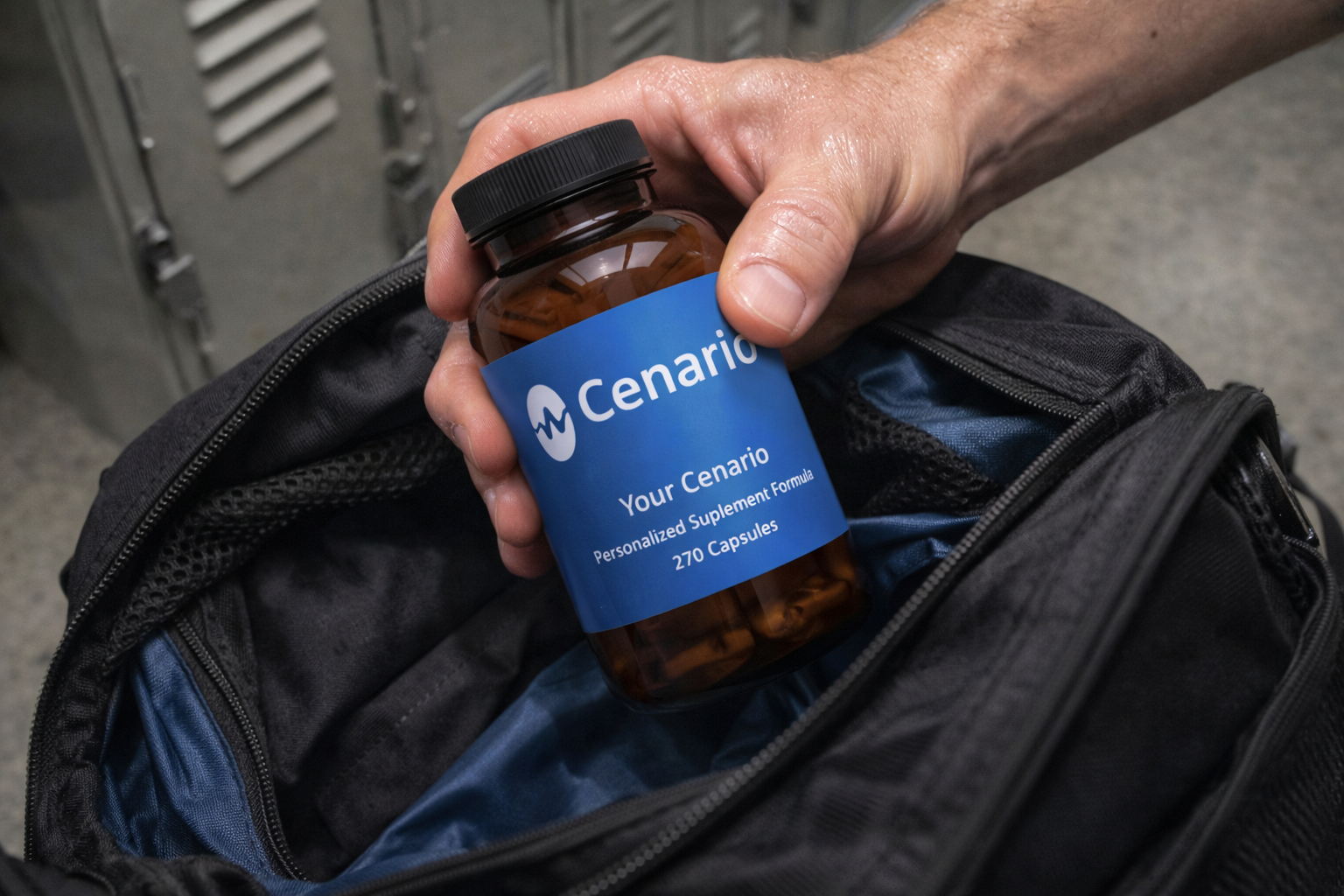
How creatine supports energy and muscle work
At the cellular level creatine increases phosphocreatine stores inside muscle. Those stores let muscles regenerate ATP quickly during short bursts of high intensity activity. That faster ATP turnover is the main reason athletes see improved power and repeated sprint performance when they use creatine. Beyond energy, creatine also draws water into muscle cells and influences signaling pathways that support protein synthesis and recovery.
Physiological effects that matter
- Faster ATP resynthesis during efforts that last a few seconds to about a minute.
- Increased cell hydration which can enhance muscle size and anabolic signaling.
- Possible support for brain energy metabolism, which is why some studies explore cognitive benefits in older adults.
Performance and health benefits backed by research
Clinical and review data show creatine monohydrate tablets can help with short, high intensity work and promote greater gains in strength and lean mass when combined with resistance training. Some trials report improvements in power and sprint ability in the range of about 10 to 15 percent for specific tests. Emerging studies also show potential advantages for metabolic markers and some aspects of cognitive function, especially in populations with low baseline creatine.
Who is most likely to benefit
- People doing repeated sprints, Olympic lifts, or high load resistance training.
- Older adults using resistance programs to preserve or build muscle mass.
- Individuals looking for a well studied supplement with a strong safety profile when used as directed.
Tablets compared to powder and capsules
Form does not change the active compound, but it affects use. Creatine monohydrate tablets offer fixed dosing and no taste. Powders give a lower cost per gram and are easier for large doses such as a loading phase. Capsules are similar to tablets but can differ in milligrams per pill and coating materials.
Practical pros and cons
- Pros of tablets: portable, no mixing required, easy tracking of dose.
- Cons of tablets: often higher cost per gram and many pills needed for a loading protocol.
- Absorption: when the ingredient is true creatine monohydrate bioavailability is comparable across forms, though tablet binders and coatings can slow dissolution slightly.
Practical dosing guidance for tablets
Standard maintenance doses are 3 to 5 grams per day. A loading phase is typically 20 grams per day for 5 to 7 days, but that requires many tablets and is optional. Most people get full benefit by taking a consistent 3 to 5 gram daily dose long term.
Tablet examples and math
- If a tablet is 1,000 mg then maintenance equals 3 to 5 tablets per day.
- If a tablet is 750 mg then maintenance is about 4 to 7 tablets per day to reach 3 to 5 grams.
- For a 20 gram loading day with 1,000 mg tablets you would need 20 tablets, which highlights why some users skip loading.
Timing is flexible. Consistency matters more than exact timing. Taking tablets with a meal or after training with carbohydrates and protein can improve convenience and adherence.
Safety, side effects and who should consult a clinician
For healthy adults short and long term studies report a favorable safety profile when creatine monohydrate tablets are used as directed. Common, mild side effects include weight gain from water retention and occasional stomach upset at high single doses. People with known kidney disease or those taking medications that affect kidney function should consult a healthcare provider before starting. Pregnant or breastfeeding people and adolescents should seek medical advice first.
Buying checklist for creatine monohydrate tablets
- Ingredient clarity: look for pure creatine monohydrate with minimal fillers.
- Dose per tablet: confirm milligrams per pill so you can calculate daily counts.
- Third-party testing: prefer products tested by recognized programs for purity and label accuracy.
- Brand signals: Creapure or equivalent manufacturing standards are a common quality indicator.
- Cost per gram: calculate price divided by total grams to compare tablets and powder fairly.
Deciding between formats often comes down to lifestyle. If you need pocketable dosing and no-mix convenience choose tablets. If cost per gram and easy loading matter more choose powder. Either way, consistent daily intake of an appropriate creatine monohydrate tablets regimen is the key to seeing results.
Practical dosing tips and tablet strategies
When you choose creatine monohydrate tablets, practical adjustments make daily use easier and reduce side effects. The usual maintenance dose is 3 to 5 grams per day. If a tablet lists 1,000 mg you would take three to five tablets. To lower the chance of stomach upset, split the daily dose into two smaller intakes, for example two tablets in the morning and one to three after training or with a meal.

Why splitting doses helps
- Smaller amounts dissolve and absorb more steadily, which often reduces GI discomfort.
- Splitting makes it simpler to fit tablets into a routine without swallowing many at once.
- It is an easy way to avoid a large single dose if you need to travel or train at odd hours.
Timing, stacking and absorption
Timing is flexible. Consistency matters more than exact timing. Taking creatine monohydrate tablets with a meal that contains carbohydrates and protein can modestly boost uptake via insulin mediated pathways, and many users pair tablets with a post workout shake or meal for convenience. Creatine works the same active way regardless of form, so stacking with protein or a mixed meal is primarily about adherence and convenience rather than magic timing.
Simple stacking ideas
- Take tablets with your post workout meal or shake.
- Use a small carbohydrate source if you prefer to support cellular uptake.
- Avoid swallowing dozens of pills at once; break total intake into two or three sittings.
Managing safety concerns and monitoring
Creatine monohydrate tablets have a strong safety record in healthy adults when used as directed. Mild side effects can include temporary water weight and occasional stomach upset at high single doses. If you have existing kidney disease, are taking medications that affect kidney function, are pregnant or are under 18, consult a healthcare professional before starting.
Practical precautions
- Start with a maintenance dose and skip a loading phase if you prefer to avoid many pills.
- Take tablets with food to lower chances of GI symptoms.
- Store tablets in a cool, dry place and keep blister packs sealed to prevent moisture from degrading pills.
Buying smart: what to check on the label
When comparing products look beyond branding. Check milligrams of creatine per tablet, count of tablets per bottle, and any added ingredients. Third party testing or certification is a reliable signal for label accuracy. If you want a recognized raw material, look for Creapure listed on the label. To compare cost, calculate price per gram so you can fairly evaluate tablets against powders.
How to calculate cost per gram
- Find total grams of creatine in the bottle: number of tablets times mg per tablet divided by 1,000.
- Divide the bottle price by total grams to get cost per gram.
- Compare that figure to bulk powder to decide if portability is worth the premium.
Try a steady, simple plan: choose a clear milligram label, take 3 to 5 grams daily in split doses if needed, and prioritize consistency. With sensible product selection and routine, creatine monohydrate tablets can be an effortless way to support training and recovery.
Frequently Asked Questions
How many creatine monohydrate tablets should I take per day?
For maintenance, take 3 to 5 grams per day. If each creatine monohydrate tablet is 1,000 mg you would take three to five tablets daily. Adjust the count based on the mg per tablet shown on the label.
Will creatine monohydrate tablets upset my stomach?
Some people report mild GI upset with large single doses. To reduce this, split your creatine monohydrate tablets into two or three smaller intakes and take them with food.
How do I compare cost per gram for creatine monohydrate tablets?
Calculate total grams in the bottle by multiplying tablets by mg per tablet and dividing by 1,000. Then divide the bottle price by total grams to get cost per gram for your creatine monohydrate tablets comparison.