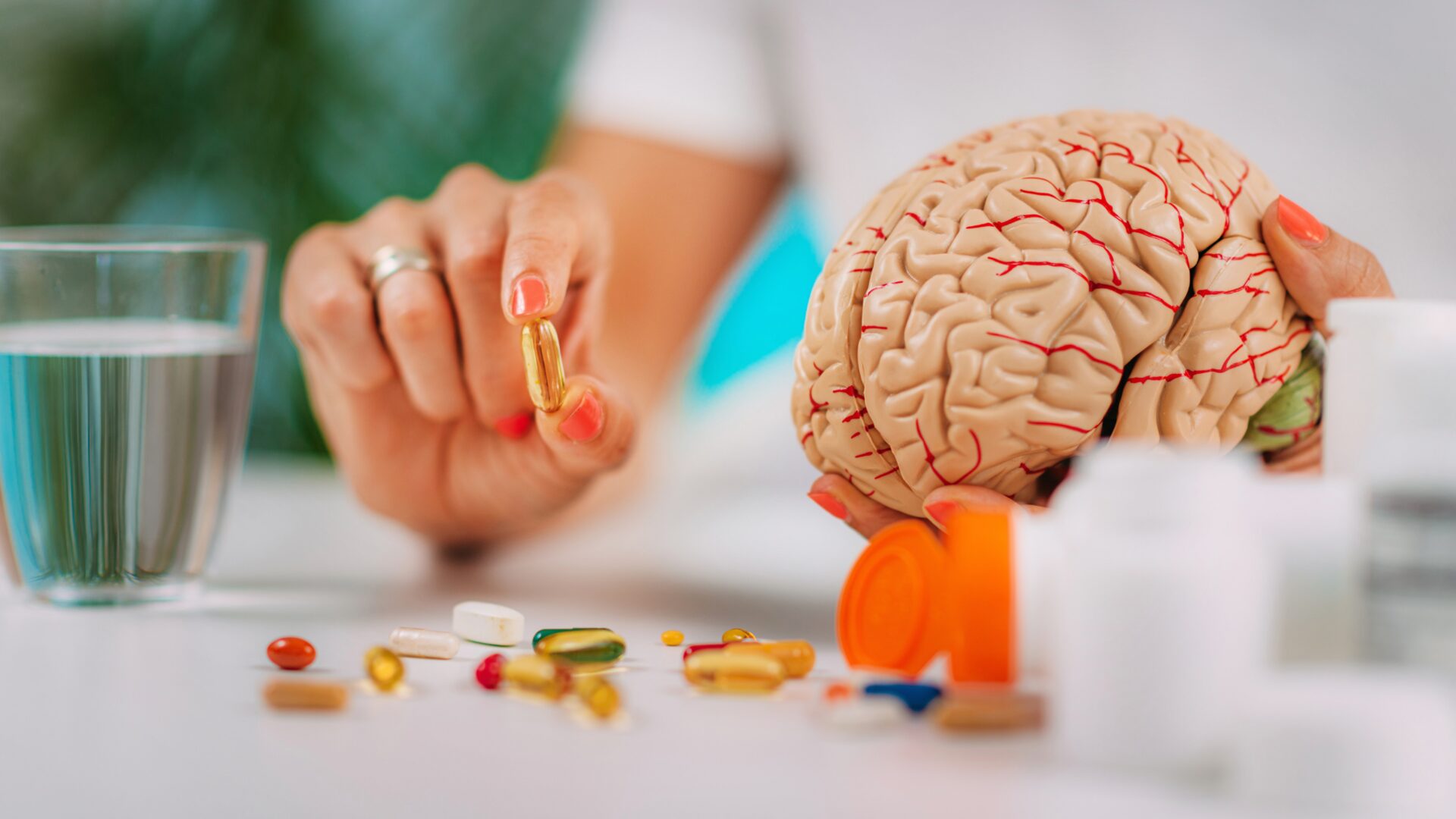

Your brain is one of the body’s most energy-hungry organs, and it relies on the right nutrients to function optimally. When those nutrients are lacking or imbalanced, it can lead to mood disorders, cognitive impairment, anxiety, and memory loss.
More people are now turning to dietary supplements—backed by modern research—as a natural way to support mental health. Studies show that omega-3 fatty acids, vitamins and minerals, amino acids, and herbal compounds can play a powerful role in boosting mood and protecting brain cells.
Let’s explore the top supplements proven to enhance emotional balance and brain function.
1. Omega-3 Fatty Acids: The Ultimate Brain Booster
Found in: Fish oil (salmon, sardines), krill oil, algae-based omega-3 supplements
Key Components: EPA and DHA
Why it’s important:
Omega-3 fatty acids are structural fats that make up a significant portion of your brain cells. They’re essential for reducing inflammation, improving communication between neurons, and supporting brain plasticity.
Science-backed fact:
A 2016 meta-analysis published in Translational Psychiatry found that omega-3s—especially EPA—were effective in relieving symptoms in people linked to depression and other mood disorders.
Mental Health Benefits:
- Protects brain cells from inflammation and damage
- Enhances mood and reduces symptoms of depression
- Slows memory loss and supports brain aging
Individuals with low dietary intake of omega-3 fatty acids from fish oil are more prone to cognitive impairment and emotional instability, particularly as they age.
2. Magnesium: Stress Reduction & Sleep Support
Found in: Leafy greens (spinach, kale), seeds, nuts, magnesium glycinate or threonate
Why it matters:
Magnesium is crucial for over 300 biochemical reactions in the body, including those that regulate mood and stress response. It balances the hypothalamic-pituitary-adrenal (HPA) axis—your body’s central stress system.
Scientific insight:
A 2017 PLOS One study revealed that magnesium supplementation led to significant improvements in mood and anxiety symptoms within six weeks.
Mental Health Benefits:
- Calms the nervous system
- Promotes deeper, restorative sleep
- Reduces cortisol and enhances serotonin and GABA function
A diet rich in leafy greens and magnesium supplements like glycinate can be a game-changer for people dealing with stress or insomnia.
3. B-Vitamins & Folic Acid: Building Blocks of Emotional Health
Key Nutrients: Vitamin B6, Folic Acid (B9), B12
Found in: Leafy greens, legumes, whole grains, eggs, fortified cereals
Why it’s essential:
These vitamins and minerals support neurotransmitter production—serotonin, dopamine, and norepinephrine—which regulate mood, focus, and motivation.
Research support:
A 2013 study in The Journal of Clinical Psychiatry found that B-vitamin supplementation improved mood and stress in people under chronic work stress.
Mental Health Benefits:
- Enhances mental clarity and energy
- Prevents memory loss and age-related decline
- May help in treatment-resistant depression, especially when paired with folic acid
4. L-Theanine: Calm Focus in a Cup of Tea
Found in: Green tea, L-theanine capsules
What it does:
L-theanine is a unique amino acid that promotes alpha brainwave activity. It creates a state of relaxed focus—alert but not anxious.
Scientific finding:
A 2019 study published in Nutrients showed that L-theanine helped improve sleep and lower stress in people with high anxiety.
Mental Health Benefits:
- Reduces anxiety without drowsiness
- Sharpens focus and productivity
- Supports better sleep by calming the nervous system
5. Vitamin D: Sunshine for the Soul
Found in: Sunlight, fortified milk, fatty fish, D3 supplements
Why it matters:
Vitamin D works like a hormone in the body and has receptors in the brain. Deficiency is strongly linked to depression, especially in winter months or regions with low sunlight.
Clinical overview:
A 2020 systematic review showed that vitamin D supplementation had a small but significant effect on reducing depressive symptoms.
Mental Health Benefits:
- Supports serotonin production
- Enhances immune and neurological function
- May help prevent Seasonal Affective Disorder (SAD)
Pairing Vitamin D3 with omega-3 fatty acids can further enhance mood-boosting effects.
6. Adaptogens: Ashwagandha & Rhodiola Rosea
What they are:
These are natural herbs that help the body “adapt” to stress by balancing cortisol and supporting adrenal health.
Evidence-based use:
- Ashwagandha lowers cortisol and enhances resilience (2012, Indian Journal of Psychological Medicine)
- Rhodiola Rosea boosts energy, motivation, and mental clarity
Mental Health Benefits:
- Builds emotional stamina
- Reduces anxiety and burnout
- Improves mental sharpness during fatigue
7. 5-HTP: Natural Mood Elevation
Source: Griffonia simplicifolia seeds
Why it works:
5-HTP is a direct precursor to serotonin, making it a natural way to support mood regulation without prescription medication.
Clinical use:
Some research indicates that 5-HTP can relieve depression, anxiety, and even emotional eating.
Mental Health Benefits:
- Promotes emotional balance
- Improves sleep and reduces irritability
- May help with PMS-related mood swings
8. GABA: Natural Relaxation Neurotransmitter
Found in: Fermented foods (kimchi, tempeh), GABA supplements
How it works:
GABA (gamma-aminobutyric acid) is a neurotransmitter that helps inhibit overexcited nerve activity, promoting calmness and better focus.
Emerging research:
Although studies are ongoing, early results suggest that GABA supplementation may help reduce anxiety and promote relaxation.
Mental Health Benefits:
- Calms the mind and body
- Improves sleep quality
- Eases tension and overstimulation
How to Choose the Right Mental Health Supplement
Pro tips for supplement selection:
- Look for third-party tested products for purity and potency
- Choose bioavailable forms (like methylated B12 or magnesium glycinate)
- Determine your specific needs: Do you require more energy or a greater sense of calm? Are you looking to improve sleep quality or enhance mental focus?
- Always consult your healthcare provider if taking medications
Final Thoughts: Nourishing the Mind with the Right Nutrients
Better mental health isn’t about one magic pill—it’s about giving your body the nutrients it needs to feel and think clearly.
If you’re dealing with mood swings, memory issues, or just want sharper focus, the right mix of dietary supplements—like omega-3 fatty acids, folic acid, and essential vitamins and minerals—can make a difference.
Take the Next Step Toward Improved Mental Clarity
Take our quick quiz to find the perfect supplement formula that match your mental health needs — whether it’s focus, calm, or emotional balance.
Frequently Asked Questions
Can supplements replace antidepressants or anxiety medication?
No. Supplements can support brain health and improve mood, but they should not be used as a replacement for prescribed medication without guidance from a healthcare professional. They work best as part of a holistic plan that may include therapy, medication, and lifestyle changes.
How long does it take for mental health supplements to work?
It varies. Some, like magnesium or L-theanine, may have calming effects within days, while others—like omega-3 fatty acids or vitamin D—may take several weeks of consistent use before noticeable changes occur.
Are there side effects from taking mental health supplements?
Yes, although they are usually mild compared to medications. For example, 5-HTP may cause stomach upset, while St. John’s Wort can interact with prescription drugs. Always check with a doctor before starting any supplement, especially if you’re on medication.
.