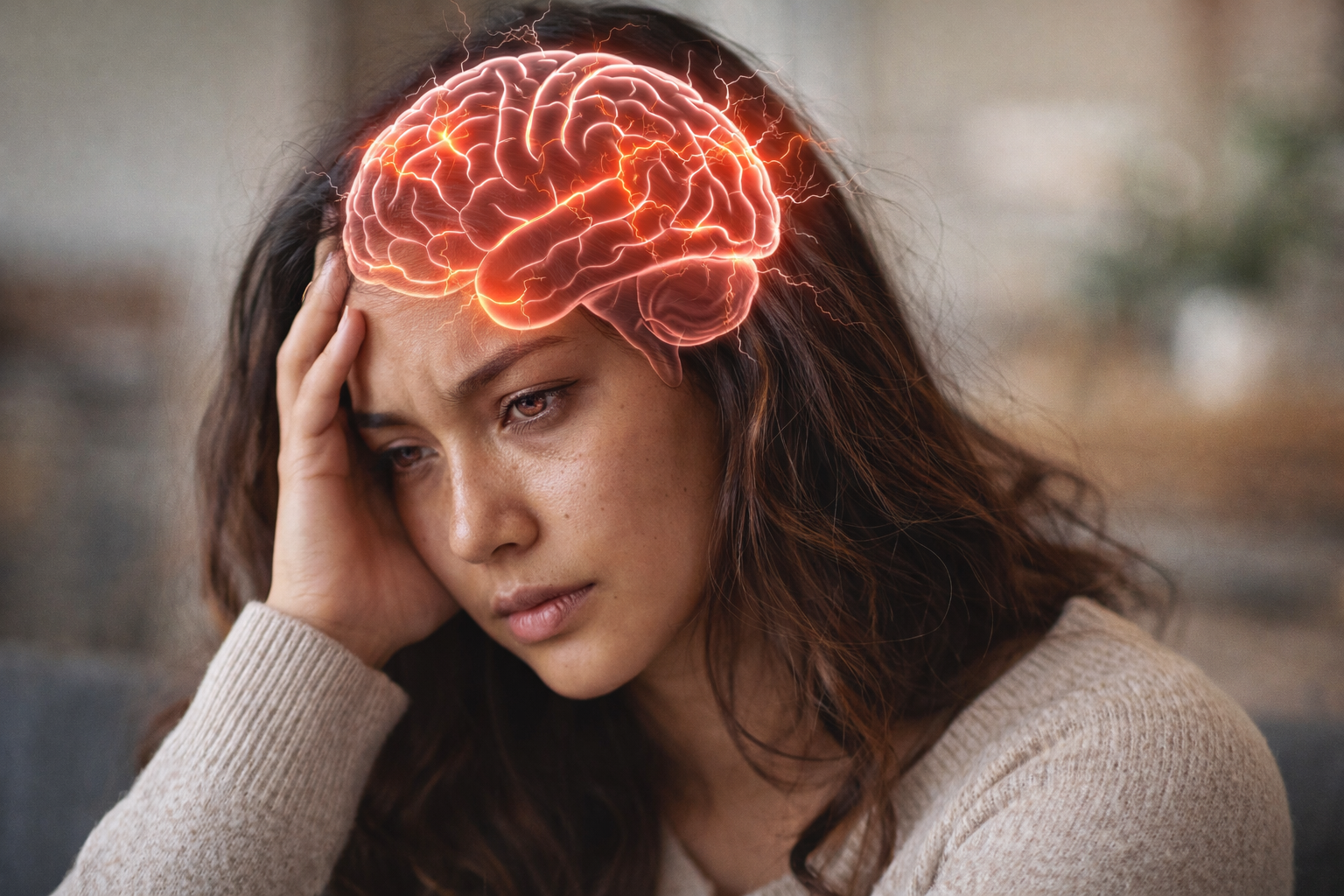


Mood swings are sudden shifts in emotional state that can move a person from cheerful to irritable, calm to tearful, or engaged to withdrawn in a short time. Everyone experiences mood swings at times, whether after a stressful meeting, a sleepless night, or during a hormonal transition. This introduction explains what mood swings are, why they matter, and what common triggers look like in everyday life.
Definition Of Mood Swings
Mood swings describe rapid or intense changes in feeling that may include happiness, sadness, anger, emotional distress, or apathy. These changes can be brief or last hours, and they might follow a clear event or appear without an obvious cause. Mood swings involve shifts in emotion rather than a single, steady state.
Everyday Examples Of Mood Swings
Typical examples of mood swings include feeling upbeat in the morning then becoming irritable after a hectic commute, or alternating between enthusiasm and frustration during a project without a clear reason. Minor mood swings often resolve on their own once stressors are removed or rest is restored.
Why Mood Swings Matter
Mood swings matter because they affect daily functioning, relationships, work performance, and overall well-being. Occasional fluctuations are normal and adaptive, helping people respond to changing situations. However, frequent or severe mood swings can indicate health issues that deserve attention.
When Mood Swings Are Normal
Brief mood swings tied to life events, lack of sleep, hunger, or transient stress are usually normal. Hormonal cycles, such as the menstrual cycle or short-term postnatal changes, commonly produce shifts in emotion that most people manage without clinical care.
When Mood Swings Can Signal Underlying Issues
Mood swings become concerning when they are intense, last for days or weeks, interfere with work or relationships, or coincide with risky behaviors. In those cases, mood swings may reflect mental health conditions, medical causes, or substance effects that require evaluation.
Key Fact: Biological, Psychological, And Environmental Drivers
Did you know? Up to 4.6 percent of the U.S. population has thyroid issues that can cause mood swings. Biological factors like hormones and neurotransmitters, psychological stress, and environmental triggers such as sleep loss all contribute to sudden emotional shifts.
Quick Overview Of Mood Swing Causes
| Cause Type | Common Examples |
|---|---|
| Lifestyle | Stress, sleep loss, poor diet |
| Hormonal | PMS, menopause, thyroid dysfunction |
| Mental Disorders | Bipolar disorder, depression, ADHD |
| Substance Use | Alcohol, caffeine, medication changes |
Normal versus concerning mood swings
Most people experience mood swings as a natural response to daily events or changes in environment. These normal mood swings are usually brief, tied to a specific situation, and resolve without intervention. For example, feeling frustrated after a stressful meeting or suddenly cheerful after good news are typical, short-lived shifts in mood. In contrast, mood swings become a concern when they are frequent, intense, or last for several days or weeks. If emotional changes disrupt work, relationships, or daily responsibilities, or if they are accompanied by risky behaviors, they may indicate an underlying health issue that requires attention.
Detailed causes of mood swings
Mood swings can be triggered by a variety of factors, ranging from everyday lifestyle habits to complex medical or psychological conditions. Understanding the different causes can help individuals recognize patterns and seek appropriate support when needed.
Lifestyle factors
Everyday habits and routines play a significant role in emotional stability. Common lifestyle triggers for mood swings include:
- Chronic stress: Ongoing stress from work, family, or financial pressures can lead to emotional ups and downs.
- Poor sleep quality: Irregular sleep patterns or sleep deprivation often make people more vulnerable to sudden mood changes.
- Unbalanced diet: Skipping meals or consuming too much sugar and caffeine can cause blood sugar fluctuations, which may trigger irritability or fatigue.
- Lack of physical activity: Sedentary lifestyles are linked to lower mood and increased emotional volatility.
- Substance use: Alcohol, caffeine, and recreational drugs can all contribute to mood swings, especially when used in excess or during withdrawal.

Hormonal factors
Hormones are powerful chemical messengers that influence mood and behavior. Shifts in hormone levels can cause noticeable changes in emotional state, particularly during certain life stages or medical conditions. Key hormonal triggers include:
- Menstrual cycle: Many women experience premenstrual syndrome (PMS) or the more severe premenstrual dysphoric disorder (PMDD), both of which can cause mood swings.
- Pregnancy and postpartum changes: Hormonal fluctuations during and after pregnancy often lead to emotional highs and lows.
- Menopause and perimenopause: As estrogen and progesterone levels change, mood swings can become more frequent or intense.
- Thyroid dysfunction: Both hypothyroidism and hyperthyroidism are common medical causes of mood changes, affecting people of all ages.
- Puberty and adolescence: The hormonal shifts of puberty often result in increased emotional sensitivity and variability.
- Chronic stress: Prolonged stress can elevate cortisol, a hormone that disrupts mood regulation.
| Hormonal trigger | Typical age range | Prevalence/impact |
|---|---|---|
| PMS/PMDD | Teens–40s | Affects up to 75% of menstruating women |
| Menopause/perimenopause | 40s–50s | 1.3 million women enter menopause yearly (U.S.) |
| Thyroid dysfunction | All ages | 4.6% of U.S. population (hypothyroid) |
Mental health and medical disorders
Sometimes, mood swings are a symptom of a mental health or medical condition. These disorders often involve more severe and persistent mood changes that can interfere with daily life. Commonly associated conditions include:
- Bipolar disorder: Characterized by cycles of manic highs and depressive lows, sometimes lasting weeks or months.
- Depression: Persistent sadness, irritability, and loss of interest can all present as mood swings.
- ADHD: Emotional dysregulation and impulsivity can make moods shift rapidly.
- Borderline personality disorder: Intense and unstable emotions are core features of this condition.
- Schizophrenia: Emotional extremes or blunting may occur, often alongside other symptoms like delusions.
- Chronic illness: Conditions such as heart disease or cancer can impact mood due to physical and emotional stress.
- Neurological events: Strokes or brain injuries sometimes result in sudden changes in mood or emotional control.
| Disorder | Key mood symptoms |
|---|---|
| Bipolar disorder | Manic highs, depressive lows |
| Depression | Persistent low mood, irritability |
| ADHD | Impulsivity, rapid emotional shifts |
| Borderline personality | Intense, unstable emotions |
| Schizophrenia | Emotional blunting or extremes |
Symptoms and warning signs to watch for
Recognizing the signs of problematic mood swings can help individuals seek help early. Warning signs include:
- Rapid or extreme mood changes without a clear trigger
- Mood swings that last for days or weeks
- Difficulty maintaining relationships or work performance
- Additional symptoms such as fatigue, changes in sleep or appetite, and risky behaviors
If mood swings are interfering with daily life or are accompanied by other concerning symptoms, it is important to consider professional support.
Management and Coping Strategies for Mood Swings
Effectively managing mood swings involves a combination of lifestyle changes, therapeutic interventions, and sometimes medical treatment. Recognizing triggers and implementing strategies to stabilize mood can significantly improve quality of life.
Lifestyle Adjustments
Adopting healthy habits is a foundational step in managing mood swings. Key lifestyle changes include:
- Regular Sleep Schedule: Prioritizing consistent sleep patterns helps regulate mood and energy levels.
- Balanced Diet: Eating regular, nutritious meals prevents blood sugar fluctuations that can affect mood.
- Stress Management: Techniques such as mindfulness, relaxation exercises, and regular physical activity can reduce stress-induced mood swings.
- Limit Substances: Reducing caffeine, alcohol, and recreational drug use can minimize their impact on mood stability.
Medical and Therapeutic Interventions
For persistent or severe mood swings, seeking professional help is crucial. Treatment options may include:
- Medication: Antidepressants, mood stabilizers, and antipsychotics may be prescribed to manage underlying conditions.
- Psychotherapy: Cognitive-behavioral therapy (CBT) and counseling can help individuals understand and manage emotional responses.
- Addressing Medical Conditions: Treating underlying health issues like thyroid dysfunction or hormonal imbalances can alleviate mood swings.
- Monitoring Mood Changes: Keeping a mood diary can help identify patterns and triggers, facilitating more effective management.
When to Seek Help
It is important to consult a healthcare professional if mood swings are frequent, intense, or interfere with daily life. Immediate attention is necessary if there are suicidal thoughts, self-harm, or engagement in risky behaviors. Changes in mood following medication adjustments should also be discussed with a doctor.
Prevention Tips for Mood Swings
Preventing mood swings involves proactive lifestyle choices and regular health checkups. Consider these tips to maintain emotional stability:
- Ensure adequate sleep and nutrition to support overall well-being.
- Manage stress through regular exercise and relaxation practices.
- Schedule routine medical checkups to monitor hormonal and thyroid health.
- Build and maintain a supportive social network to provide emotional support.
Frequently Asked Questions
What are mood swings?
Mood swings are sudden or intense changes in mood that can range from happiness to sadness, irritability, or anger. They may occur without a clear trigger or follow specific events.
Are mood swings normal?
Occasional mood swings are normal, especially during life changes, stress, or hormonal shifts. Persistent or severe swings may signal an underlying issue that requires attention.
What causes mood swings?
Causes include stress, sleep deprivation, diet, hormonal changes (e.g., PMS, menopause, thyroid issues), mental health disorders, and substance use.
When should I be concerned about mood swings?
If mood swings are frequent, intense, last for days or weeks, or disrupt daily life, it is advisable to consult a healthcare professional for evaluation and guidance.
How can I manage or prevent mood swings?
To manage or prevent mood swings, prioritize sleep, eat regularly, manage stress, exercise, limit substances, and seek medical advice if needed.
Can men experience mood swings?
Yes, men can experience mood swings due to stress, medical conditions, lifestyle factors, and hormonal imbalances such as changes in testosterone levels.
What medical conditions are linked to mood swings?
Mood swings can be associated with conditions like bipolar disorder, depression, ADHD, borderline personality disorder, thyroid dysfunction, and neurological illnesses.
What treatments are available?
Treatment depends on the cause and may include therapy, medication, lifestyle changes, and addressing underlying health issues.
Can mood swings be a side effect of medication?
Yes, certain medications, including antidepressants, steroids, and antipsychotics, can cause mood swings as a side effect. Consult a doctor if this occurs.
How are mood swings diagnosed?
Diagnosis involves a medical evaluation, discussion of symptoms, possible lab tests (e.g., thyroid, hormone levels), and a mental health assessment to determine the underlying cause.