
In today’s fast-paced world, stress is almost inevitable. Whether it’s demanding work schedules, personal responsibilities, or unexpected life challenges, stress can take a serious toll on both mental and physical health. If left unchecked, it may lead to anxiety, burnout, and even chronic health issues. However, practicing stress-relief exercises can be a powerful way to reduce stress, regain balance, and improve overall well-being.
This guide explores the best stress-relief exercises, backed by science, to help you manage daily pressures naturally. Whether you’re looking for quick breathing exercises to ease tension or long-term strategies like strength training to build resilience, this article has you covered.
Why Stress-Relief Exercises Matter
Chronic stress isn’t just uncomfortable—it can lead to health issues like anxiety, depression, high blood pressure, and even a weakened immune system. Incorporating stress-relief exercises into your daily routine can:
- Lower cortisol levels (the stress hormone)
- Boost mood and emotional resilience
- Improve sleep quality
- Enhance mental clarity and focus
The Best Stress-Relief Exercises
1. Deep Breathing Exercises
One of the quickest ways to lower stress levels is through breathing exercises. Slow, deep breathing activates the parasympathetic nervous system, which helps calm the body’s stress response.
Box Breathing (Square Breathing)
This technique is used by Navy SEALs to stay calm under pressure.
✔️ How to Do It:
- Inhale deeply through your nose for four counts.
- Hold your breath for four counts.
- Exhale slowly through your mouth for four counts.
- Pause and hold your breath again for four counts.
- Repeat the cycle for a few minutes.
✔️ Benefits:
- Quickly reduces stress and anxiety
- Enhances focus and mental clarity
- Regulates emotions in high-pressure situations
Diaphragmatic (Belly) Breathing
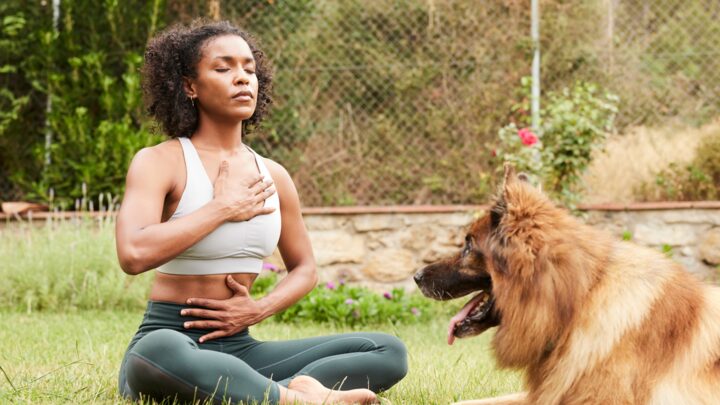
Unlike shallow chest breathing, deep breathing from the diaphragm encourages full oxygen exchange, slowing the heart rate and stabilizing blood pressure.
✔️ How to Practice:
- Place one hand on your chest and the other on your belly.
- Inhale deeply through your nose, allowing your belly to rise.
- Exhale slowly through pursed lips, feeling your belly contract.
- Repeat for 5–10 minutes daily.
2. Progressive Muscle Relaxation (PMR)
Progressive muscle relaxation helps relieve physical tension by working through different muscle groups one at a time.
✔️ How to Practice PMR:
- Tense a specific muscle group (like your fists or shoulders) for about five seconds.
- Release the tension and focus on the contrast between tightness and relaxation.
- Work through different major muscle groups from head to toe.
✔️ Benefits:
- Relieves muscle stiffness caused by stress
- Improves body awareness and relaxation
- Helps with insomnia and better sleep
3. Forms of Meditation for Stress Reduction
Meditation is one of the most effective stress-relief exercises, training the mind to stay present and avoid overthinking.
Mindfulness Meditation
This method encourages focusing on your breath and observing thoughts without judgment.
✔️ How to Practice:
- Sit comfortably in a quiet space.
- Close your eyes and take slow, deep breaths.
- When your mind wanders, gently bring your focus back to your breath.
✔️ Benefits:
- Reduces symptoms of anxiety and depression
- Enhances focus and emotional resilience
- Can be practiced in just a few minutes daily
Body Scan Meditation
A guided practice where you bring awareness to different body parts to release tension.
✔️ How to Do It:
- Lie down and close your eyes.
- Focus on your toes, then gradually move upward, noticing any tension.
- Simply observe without trying to change anything.
4. Yoga: A Powerful Stress Reliever
Yoga combines breathing exercises, physical movement, and mindfulness, making it one of the best stress-relief exercises.
Hatha Yoga
Great for beginners, Hatha yoga involves gentle movements that promote relaxation.
✔️ Benefits:
- Reduces anxiety and tension
- Enhances flexibility and strength
- Encourages a meditative state of mind
Restorative Yoga
A deeply relaxing practice using props like bolsters and blankets to support the body.
✔️ Benefits:
- Lowers stress levels
- Improves sleep and emotional resilience
- Supports the nervous system
5. Tai Chi: A Gentle Form of Physical Activity
Tai Chi is an ancient Chinese practice that blends slow, controlled movements with deep breathing.
✔️ Benefits:
- Improves balance and coordination
- Reduces cortisol and enhances relaxation
- Encourages mindfulness and emotional stability
6. Strength Training for Stress Management
Strength training isn’t just for physical fitness—it’s an effective stress reliever.
✔️ Benefits:
- Boosts endorphin production
- Reduces symptoms of anxiety and depression
- Enhances self-confidence and sleep quality
✔️ How to Start:
- Work on major muscle groups (legs, back, arms, chest)
- Aim for minutes of moderate weight training per session
- Incorporate bodyweight exercises if you’re a beginner
7. Creative Outlets
Engaging in creative activities is a powerful form of stress relief. It provides an emotional outlet, fosters mindfulness, and allows you to express feelings that might be difficult to verbalize.
- Art Therapy: Drawing, painting, or coloring can be meditative and calming.
- Music: Playing an instrument, composing, or simply listening to soothing music reduces cortisol levels.
- Dance: Expressive movement helps release emotional tension and boosts endorphins.
- Writing: Journaling, creative writing, or poetry allows you to process emotions and gain clarity.
- Photography: Capturing moments helps shift your focus to the beauty around you.
- Crafting: Activities like knitting, crocheting, scrapbooking, or DIY projects promote relaxation.
- Cooking or Baking: Experimenting with new recipes can be therapeutic and satisfying.
- Gardening: Tending to plants provides a sense of accomplishment and connection with nature.
- Pottery and Sculpture: Working with your hands to mold and shape materials is grounding and calming.
- Theater or Acting: Expressing emotions through performance can be both liberating and healing.
Why It Works:
Creative activities activate the brain’s reward system, promote mindfulness, and provide a sense of accomplishment, all of which contribute to stress reduction.
8. Try Stress-Relief Supplements
While stress-relief exercises and mindfulness techniques are highly effective, some individuals find additional support through natural supplements. These supplements can play a complementary role in managing stress, helping to balance mood, reduce anxiety, and promote relaxation when combined with healthy lifestyle practices. While they’re not a replacement for consistent stress management strategies, they can provide an extra layer of support during particularly stressful times.
Here are some of the most effective natural supplements that support stress relief:
Ashwagandha:
- A powerful adaptogenic herb that helps the body adapt to stress and maintain balance.
- Reduces cortisol levels, the primary stress hormone, which helps in lowering anxiety and enhancing overall well-being.
- Studies suggest it can improve sleep quality, boost energy, and support cognitive functions during stressful periods.
Magnesium:
- An essential mineral that plays a critical role in supporting the nervous system and regulating the body’s stress response.
- Low magnesium levels have been linked to increased anxiety and stress, making supplementation beneficial for those with deficiencies.
- Helps in muscle relaxation, reducing physical symptoms of stress like tension and cramps.
L-Theanine:
- An amino acid found naturally in green tea, known for its calming effects without causing drowsiness.
- Promotes relaxation by increasing the production of alpha brain waves, associated with a state of “relaxed alertness.”
- When combined with caffeine, it can improve focus and attention while reducing the jittery effects of caffeine.
GABA (Gamma-Aminobutyric Acid):
- A key neurotransmitter in the brain responsible for inhibiting neural activity, leading to a calming effect.
- Helps reduce anxiety, improve sleep, and promote overall emotional balance.
- Often recommended for individuals experiencing high levels of acute stress or anxiety.
Valerian Root:
- A natural herb traditionally used to promote relaxation and improve sleep quality.
- Works by increasing GABA levels in the brain, which helps to calm the nervous system.
- Particularly effective for individuals struggling with insomnia or restless nights due to stress.
5-HTP (5-Hydroxytryptophan):
- A naturally occurring amino acid that supports serotonin production, the “feel-good” neurotransmitter.
- Helps enhance mood, reduce anxiety, and improve sleep patterns.
- Beneficial for managing symptoms of stress-related conditions like depression and mood swings.
Ready to support your mental well-being naturally?
Explore our range of stress-relief supplements tailored to help you manage stress effectively.
Not sure which supplement is right for you? Take our quick mental health survey to get personalized recommendations based on your unique needs!
Choosing the Right Stress-Relief Exercise for You
Choosing the right stress-relief exercise depends on your preferences, lifestyle, and stress triggers. Not all techniques work the same for everyone, so it’s important to find what suits you best. Here are some tips to help you determine the most effective approach:
- Consider Your Interests: If you enjoy movement and physical activity, practices like yoga, tai chi, or aerobic exercises might be the best fit. On the other hand, if you prefer quiet, reflective activities, mindfulness meditation or deep breathing exercises could be more beneficial.
- Assess Your Schedule: For those with busy schedules, quick stress-relief techniques like box breathing or mindful sighing can provide immediate relief. If you have more time in the evenings, longer sessions of meditation, progressive muscle relaxation, or restorative yoga can be incredibly effective.
- Experiment: There’s no one-size-fits-all solution when it comes to stress management. Try different exercises to see which ones resonate with you. Notice how your body and mind respond to each activity to identify what feels most effective.
- Listen to Your Body: Pay attention to how you feel before and after each exercise. Some techniques may energize you, while others may help you relax deeply. The goal is to find exercises that leave you feeling calmer, more centered, and in control of your stress.
Stress-Relief Exercises for Specific Situations
Tailoring stress-relief exercises to specific situations can enhance their effectiveness.
Quick Stress-Relief for Busy Days
When time is limited, try these quick techniques:
- 5-Minute Box Breathing: Calms the mind and reduces immediate stress.
- Mindful Sighing: Inhale deeply, then exhale with a long, audible sigh.
- Tense and Release: Quickly tense and relax key muscle groups to release tension.
Stress Management at Work
For managing stress in professional settings:
- Desk-Friendly Stretches: Gentle neck rolls, shoulder shrugs, and wrist stretches to relieve physical tension.
- Mini Meditation Breaks: Close your eyes for 2-3 minutes, focusing on your breath.
- Mindful Observation: Take a moment to observe your surroundings, focusing on small details to ground yourself.
The Mental Health Benefits of Stress-Relief Exercises
Incorporating stress-relief exercises into your daily routine offers numerous mental health benefits, helping you manage daily stress and build emotional resilience. Some key advantages include:
- Reducing Anxiety and Depression: Activities like mindfulness meditation, yoga, and deep breathing help regulate emotions, lower cortisol levels, and reduce symptoms of anxiety and depression.
- Improved Mood: Physical exercise releases endorphins, the body’s natural “feel-good” chemicals, which boost mood and promote a sense of well-being.
- Enhanced Focus and Concentration: Stress-relief techniques improve mental clarity, cognitive function, and concentration, allowing you to stay more present and productive throughout the day.
- Better Emotional Resilience: Regular practice of stress-relief exercises strengthens your ability to cope with stress over time, making you more resilient in the face of future challenges.
These exercises not only help you manage acute stress but also contribute to long-term mental health and overall well-being.
Common Mistakes to Avoid in Stress Management:
Being aware of common pitfalls can improve the effectiveness of your stress-relief routine:
- Inconsistent Practice: Stress-relief exercises are most effective when practiced regularly, not just during high-stress moments.
- Multitasking During Relaxation: Trying to relax while distracted reduces the benefits. Dedicate focused time solely to the exercise.
- Over-Relying on One Method: Combining different techniques prevents adaptation and keeps your routine effective.
- Ignoring Physical Health: Sleep, nutrition, and hydration are foundational to effective stress management.
- Neglecting Professional Help: For chronic stress, consulting a mental health professional can provide additional support when needed.
Tips for Incorporating Stress-Relief Exercises into Your Routine:
- Start Small: Dedicate just 5–10 minutes daily and gradually increase the duration as it becomes a habit.
- Be Consistent: Regular practice yields better results than occasional efforts.
- Listen to Your Body: Choose exercises that feel good and suit your physical condition.
- Combine Techniques: Mix physical, mental, and creative exercises for a holistic approach to stress management.
Conclusion
Managing stress is an ongoing journey, and finding the right combination of strategies can make a significant difference in your mental and physical well-being. Incorporating stress-relief exercises such as deep breathing, mindfulness meditation, physical activity, creative outlets, and tailored techniques for specific situations can help you build resilience against daily stressors.
Additionally, natural supplements can provide extra support, helping to balance your mood, reduce anxiety, and promote relaxation. Remember, consistency is key—small, regular practices often yield more lasting benefits than occasional efforts. Listen to your body, explore different methods, and find what works best for you.
Start Your Journey Towards Better Well-Being with Cenario!
Ready to take control of your health and enhance your overall well-being? Here’s how you can get started today:
- Explore Cenario’s Products – Discover supplements crafted to support your wellness goals and boost your physical and mental health.
- Take Our Mental Health Assessment – Identify your unique needs and receive personalized recommendations tailored just for you.
- Download Our E-books – “The De-stress Blueprint” to gain in-depth knowledge about stress.
👉 Don’t wait— Start your journey to a calmer, healthier you with Cenario today!
Stay Informed and Take Charge of Your Well-Being
Your wellness journey is ongoing, and staying informed can help you build lasting resilience. Subscribe to our newsletter for expert insights, practical wellness tips, and exclusive benefits, including:
✅ Early access to the latest research-backed supplements.
✅ Exclusive discounts and updates on new product launches.
✅ Actionable health tips to support your mind and body.
✅ A chance to win a 1-month supply of supplements or one of our best-selling products!
Frequently Asked Questions
How to Relieve Stress in 5 Minutes?
If you’re pressed for time, there are several quick and highly effective STRESS RELIEF EXERCISES that can help you feel more at ease in just five minutes. These techniques work by triggering your body’s natural relaxation response, making them ideal for managing stress in high-pressure situations:
- 5-Minute Box Breathing: Inhale for four counts, hold for four, exhale for four, and pause for four. Repeat this cycle to quickly calm your nervous system.
- Mindful Sighing: Take a deep breath in, then exhale slowly with an audible sigh. Repeat a few times to release tension.
- Tense and Release: Clench a muscle group (such as your fists) for about five seconds, then release. This method helps alleviate built-up physical stress.
- Grounding technique: Identify five things you can see, four things you can touch, three things you can hear, two things you can smell, and one thing you can taste. This technique helps anchor your mind in the present moment.
How Often Should I Do Stress-Relief Exercises?
For optimal benefits, try to incorporate STRESS RELIEF EXERCISES into your daily routine:
- Short Daily Sessions: Practicing deep breathing, meditation, or stretching for just 5-10 minutes can have lasting positive effects over time.
- Physical Activity: Aim for at least 150 minutes of moderate-intensity exercise per week, such as walking, yoga, or aerobic workouts.
- Creative Outlets: Engage in hobbies or creative activities a few times a week to maintain emotional balance.
Consistency matters more than duration—practicing even brief sessions regularly can significantly reduce stress levels.
Can Stress-Relief Exercises Improve Sleep Quality?
Absolutely! Adding STRESS RELIEF EXERCISES to your routine can greatly enhance sleep quality. Techniques such as progressive muscle relaxation, deep breathing, and mindfulness meditation help calm the mind, ease anxiety, and prepare the body for restful sleep. Physical activities like yoga and moderate aerobic exercise can also improve sleep patterns by lowering cortisol levels and promoting relaxation.
Are Stress-Relief Exercises Effective for Chronic Stress?
Yes, STRESS RELIEF EXERCISES are highly beneficial for managing chronic stress. Techniques such as mindfulness, yoga, and regular physical activity help regulate the body’s stress response, lower cortisol levels, and enhance emotional well-being. For individuals experiencing chronic stress, consistency is crucial—incorporating these exercises into your daily routine can lead to long-term benefits.
Can Children and Teenagers Benefit from Stress-Relief Exercises?
Definitely! Kids and teenagers can greatly benefit from STRESS RELIEF EXERCISES. Simple techniques like deep breathing, mindfulness activities, and light physical exercise (such as yoga or playful movement) can help them manage stress, improve concentration, and regulate emotions. Making these exercises fun and age-appropriate encourages regular practice and supports their mental well-being.